Blog
Latest news and updates from our team
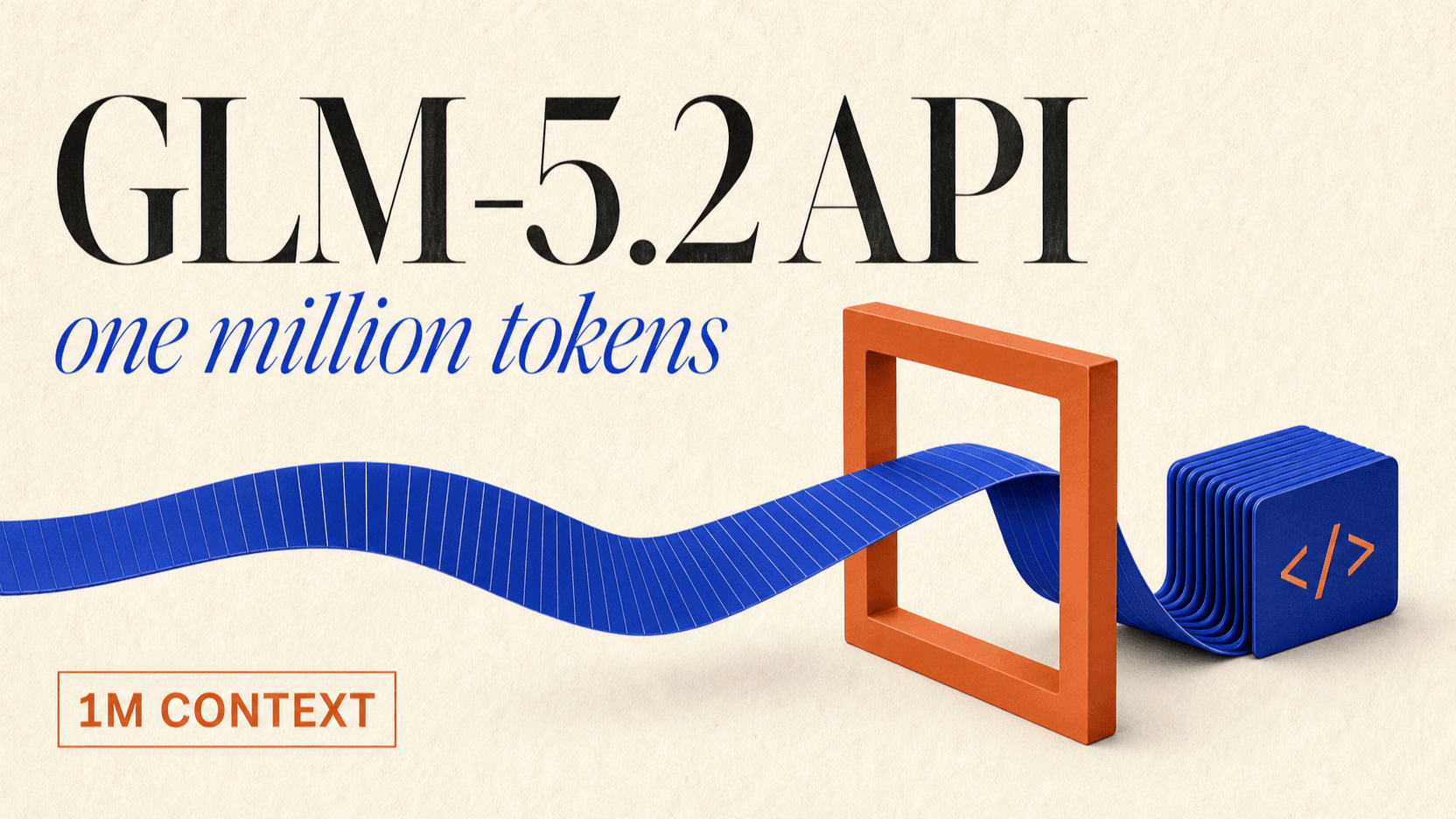
GLM-5.2 API Guide: 1M Context, Pricing, and Coding (2026)
Use the GLM-5.2 API with OpenAI-compatible code. Learn its 1M context, $1.40/$4.40 official pricing, reAPI rates, reasoning controls, and limits.

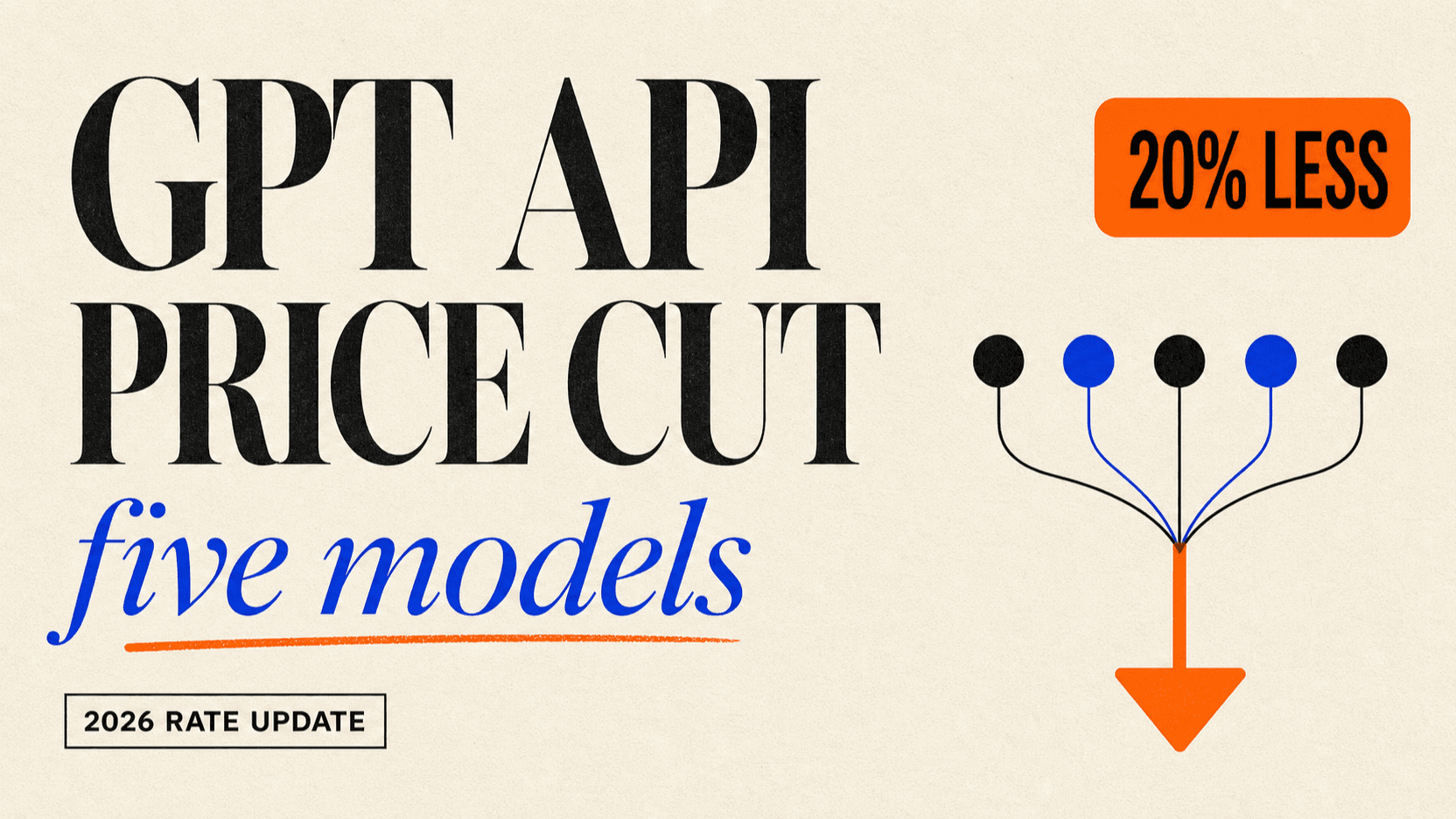
GPT API Price Cut: 5 Models Now Cost 20% Less on reAPI
Five GPT models now cost 20% less on reAPI than OpenAI's standard list price. Compare GPT-5.4, GPT-5.5, and all three GPT-5.6 tiers.

Grok Imagine Video 1.5 API: Pricing, 1080p, and Limits (2026)
Use the Grok Imagine Video 1.5 API for image-to-video with native audio. Compare 480p, 720p, and 1080p pricing, limits, reAPI routes, and code.
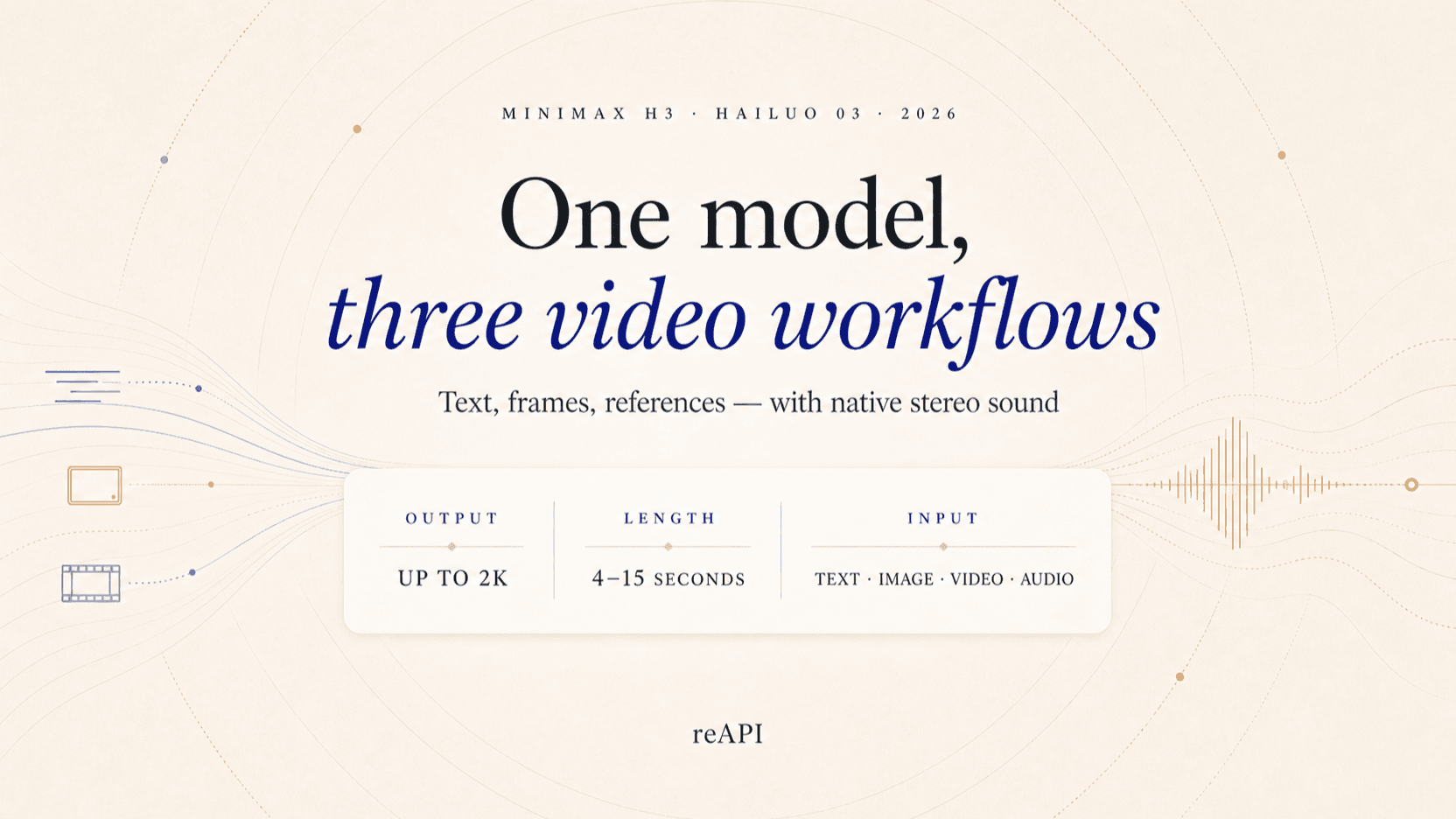
Hailuo H3 Explained: MiniMax H3 Specs, Pricing, API, and Limits (2026)
Learn how Hailuo H3, MiniMax H3, and Hailuo 03 relate, with verified 2K video specs, native audio, pricing, API limits, and integration code.
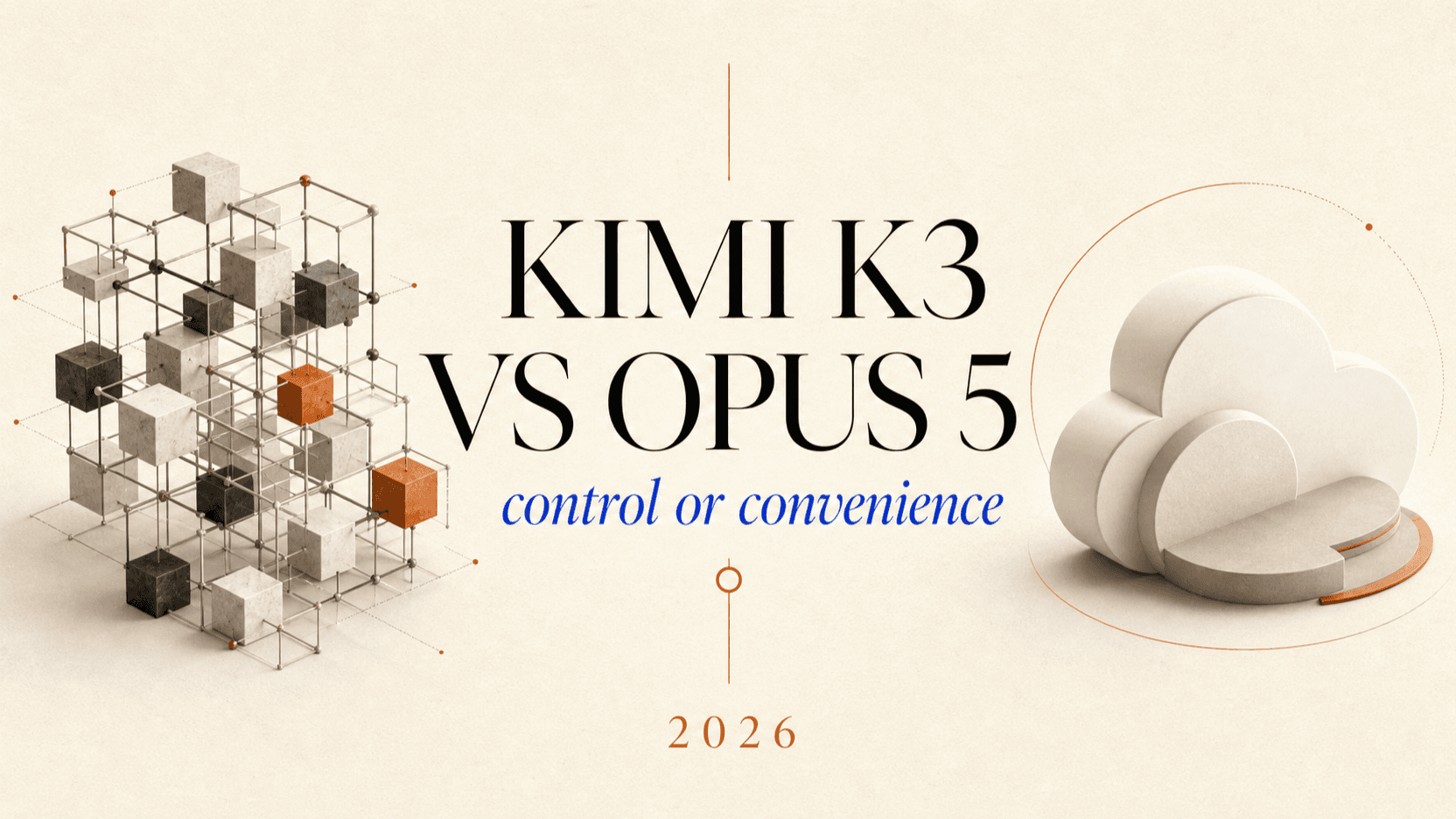
Kimi K3 vs Claude Opus 5: Open Weights or Managed Reliability?
Kimi K3 vs Claude Opus 5: compare open weights, 1M context, reasoning, multimodal input, API prices, deployment demands, and the right model for each team.
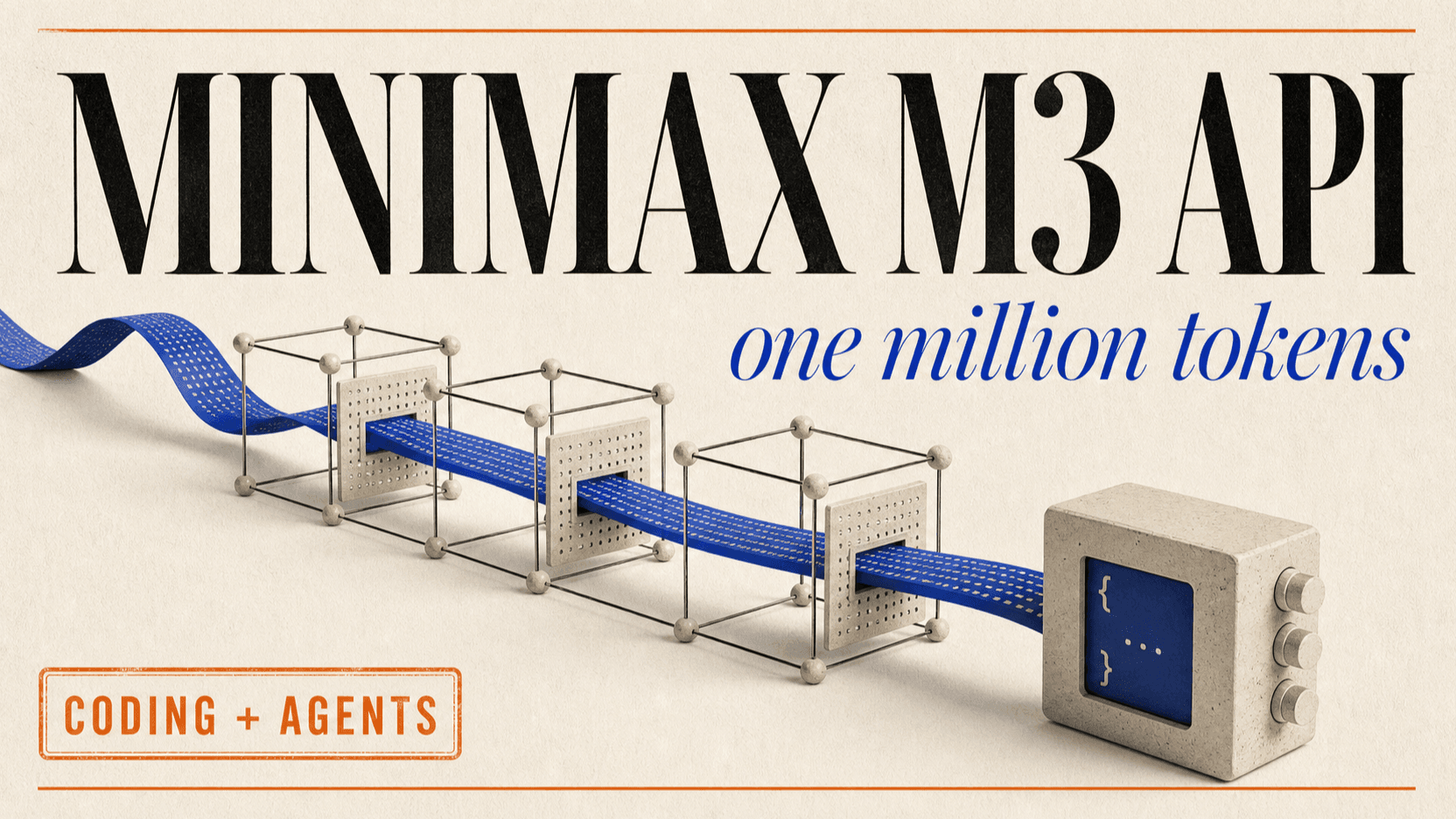
MiniMax M3 API: 1M Context, Pricing, and Coding Guide (2026)
Use the MiniMax M3 API for coding, agents, and multimodal work. Compare official and reAPI pricing, 1M context behavior, thinking modes, and limits.
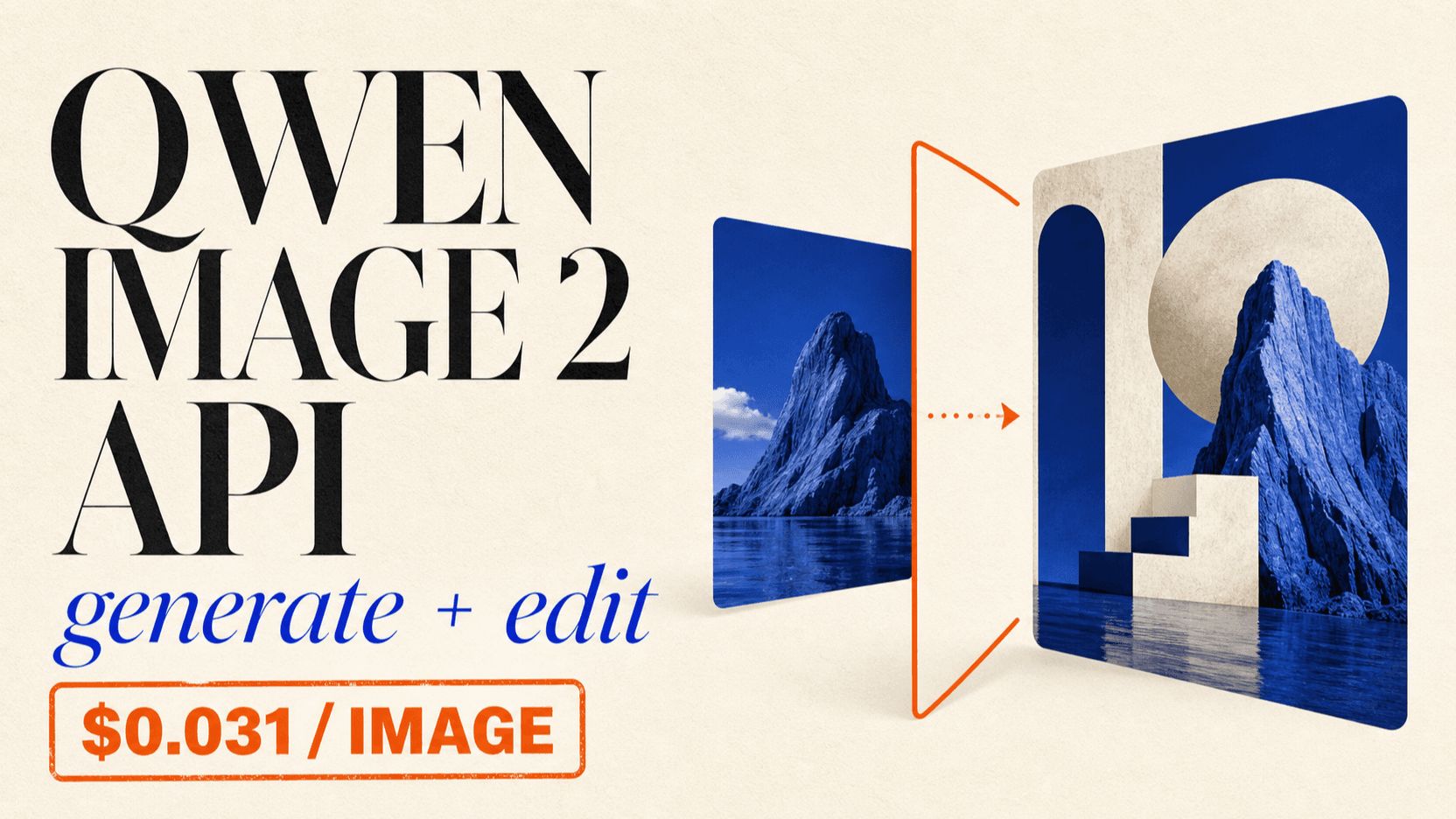
Qwen Image 2 API: Pricing, Text Rendering, and Editing (2026)
Use the Qwen Image 2 API for generation and image editing. Learn current pricing, supported ratios, prompt limits, reAPI parameters, safety, and code.
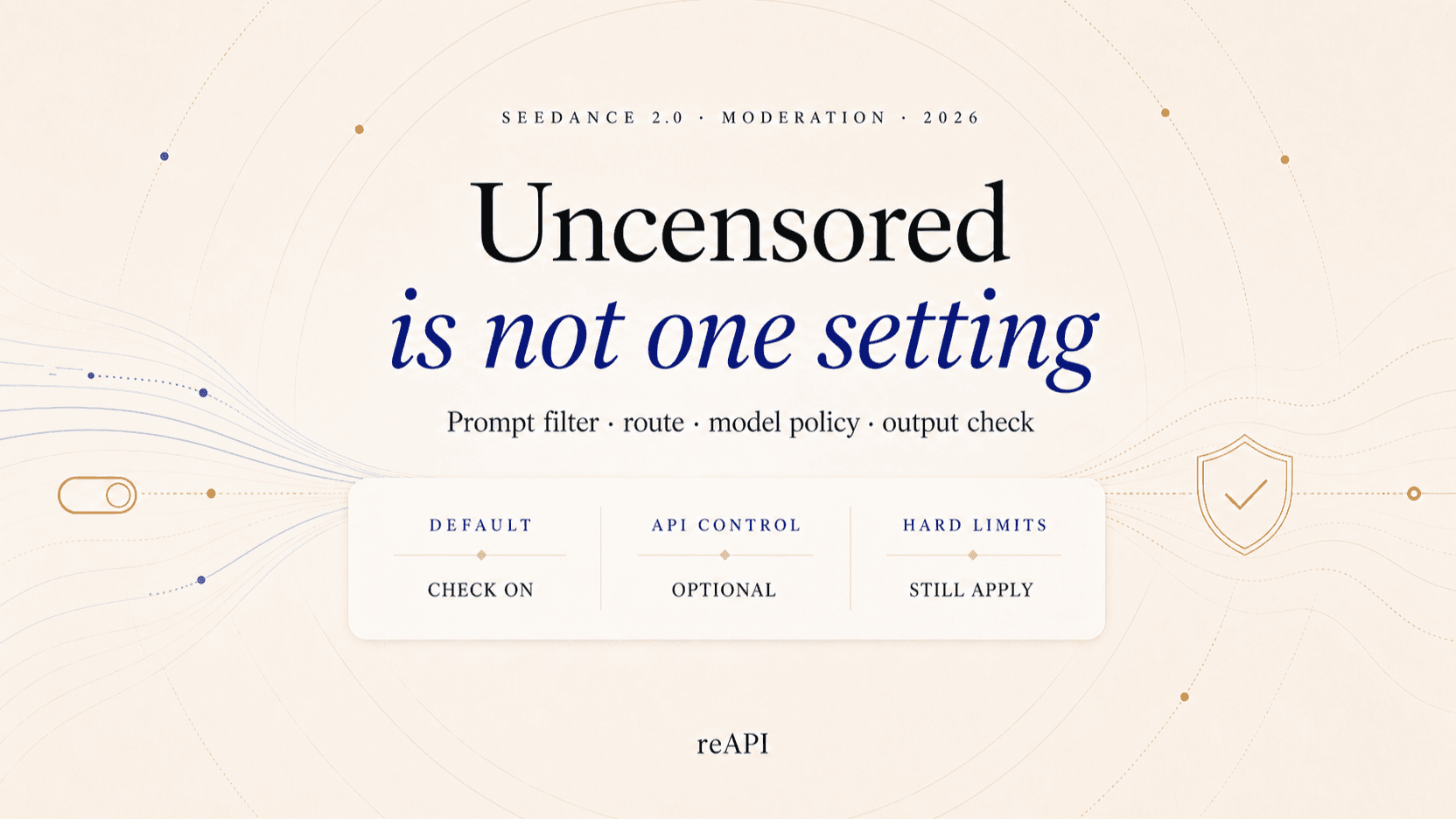
Seedance 2.0 Safety Filters: What They Block and Why
Seedance 2.0 safety filtering runs in several layers, and a refusal rarely says which one fired. What each layer blocks and which limits never move.
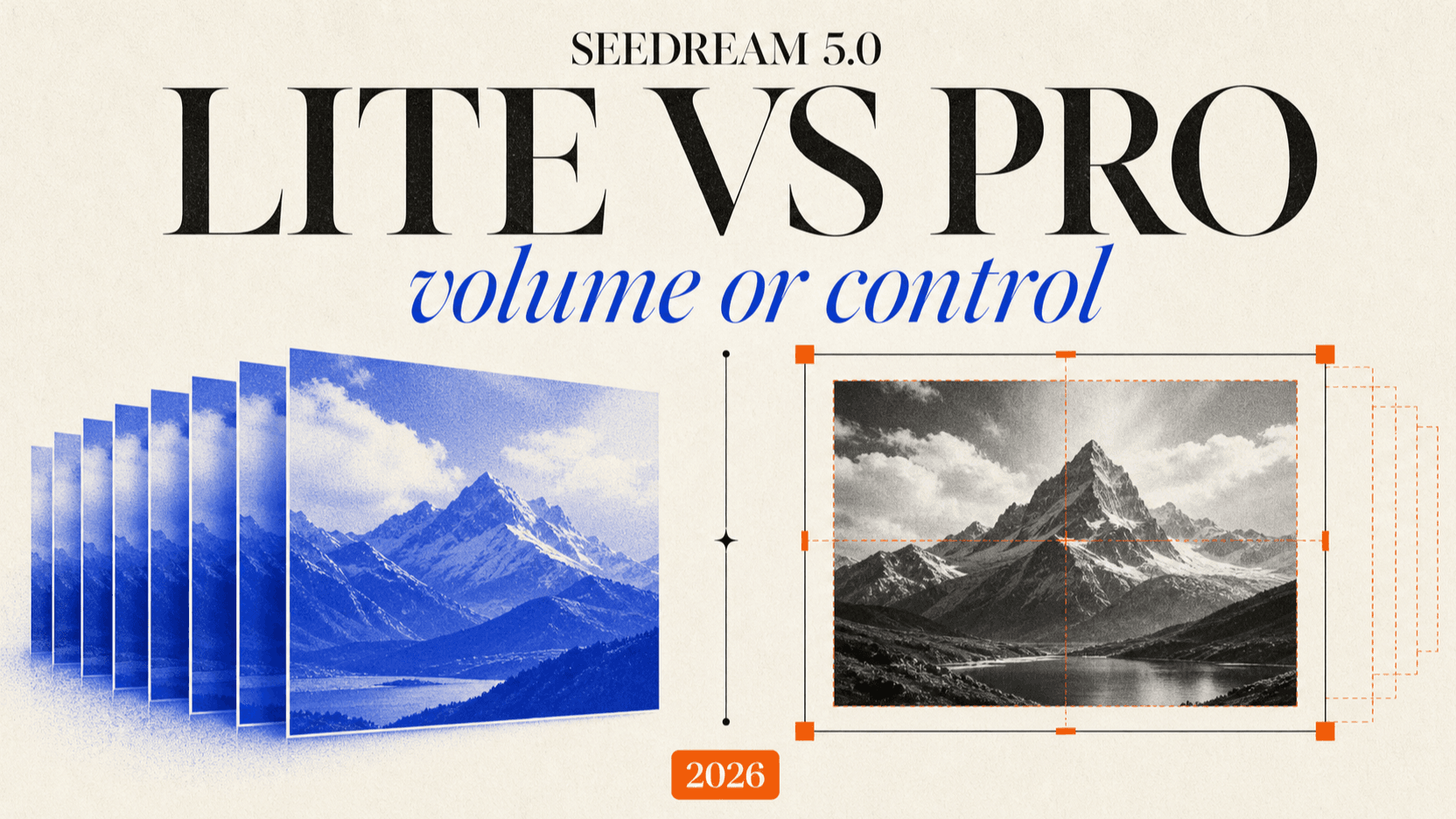
Seedream 5.0 Lite vs Pro: Price, Editing, and Quality (2026)
Compare Seedream 5.0 Lite vs Pro for price, resolution, image editing, references, batch output, reasoning, and production use through the API.
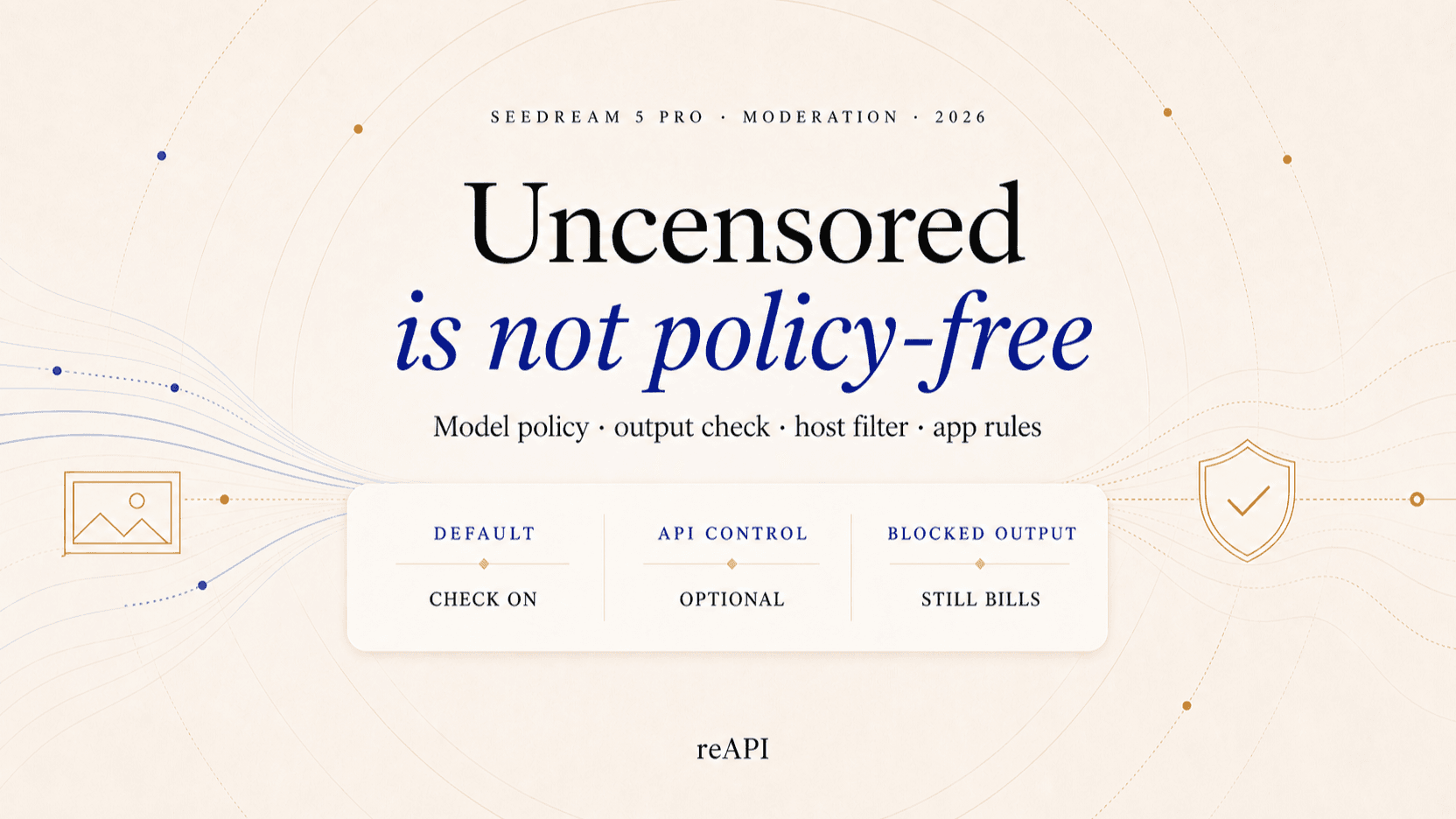
Seedream 5 Pro Content Filters: What They Block
Seedream 5 Pro content filtering runs in several layers, and a refusal rarely says which one fired. What each layer blocks and which limits never move.
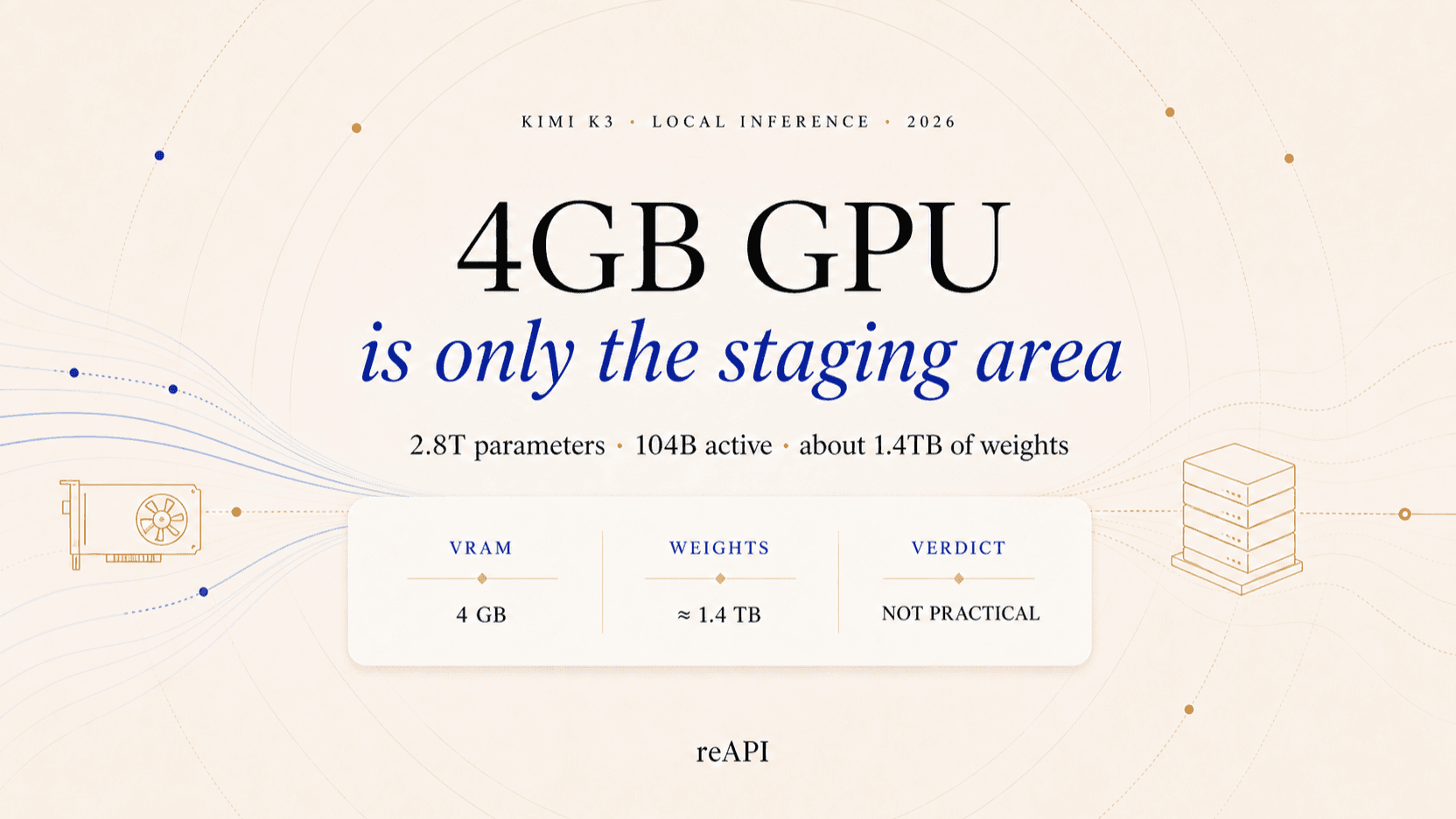
Unbelievable: Run Kimi K3 — 2.8 Trillion Parameters on a Single 4GB GPU
Can Kimi K3 really run on one 4GB GPU? Learn the 1.4TB weight math, what layer offloading changes, current tool support, and the practical API route today.
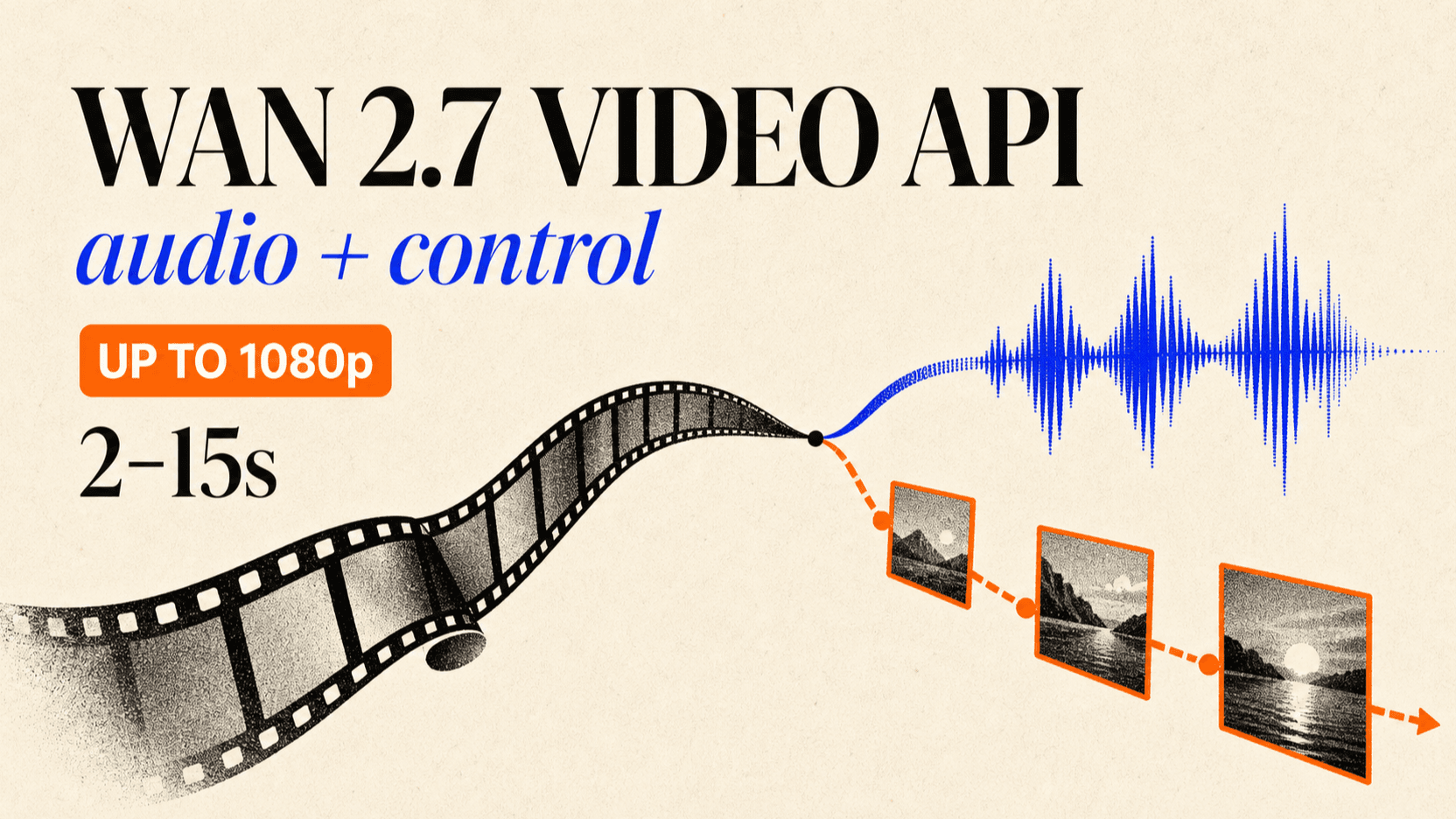
Wan 2.7 Video API: 1080p, Audio, Pricing, and Limits (2026)
Use the Wan 2.7 Video API for text, image, reference, and video editing workflows. Learn 1080p pricing, audio controls, 2–15s limits, and code.
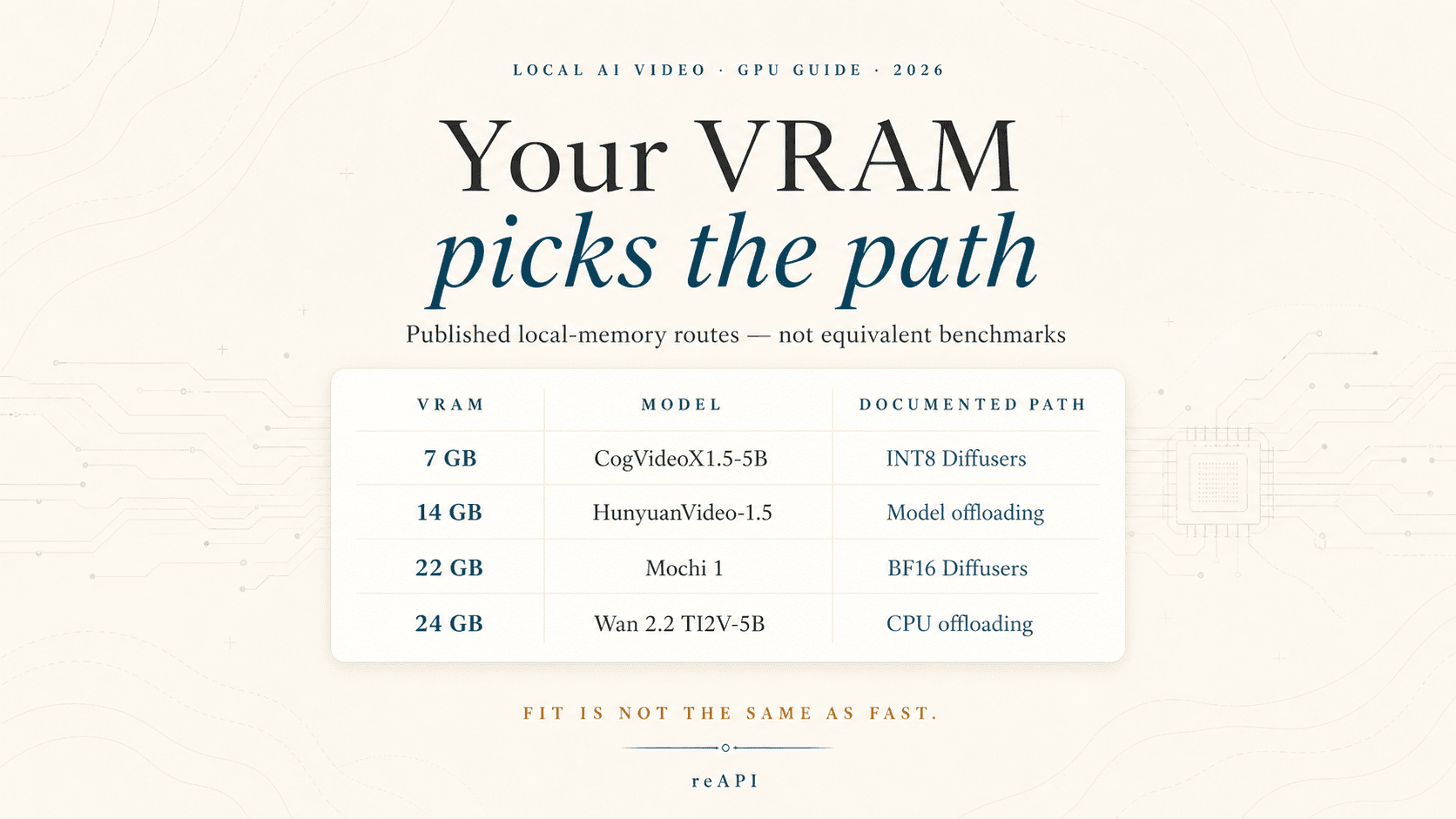
Best Open-Source AI Video Models for Local GPUs (2026)
Compare Wan 2.2, HunyuanVideo-1.5, CogVideoX1.5, and Mochi 1 by local GPU memory, output, license, speed, and deployment limits.
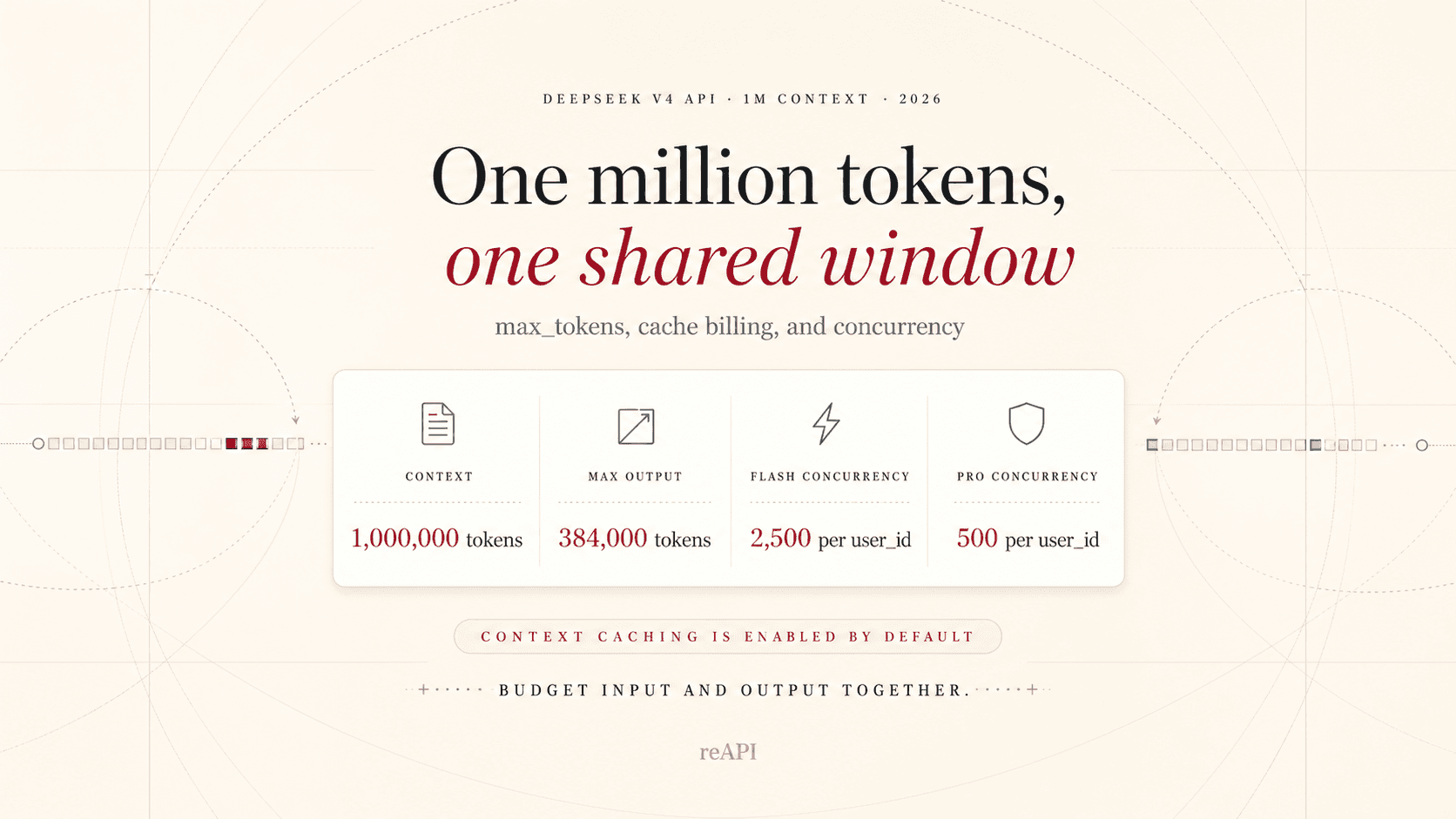
DeepSeek V4 1M Context: max_tokens, Billing, and Concurrency
DeepSeek V4 shares its 1M context between input and output, with a 384K maximum output. Learn max_tokens, cache billing, and concurrency limits.
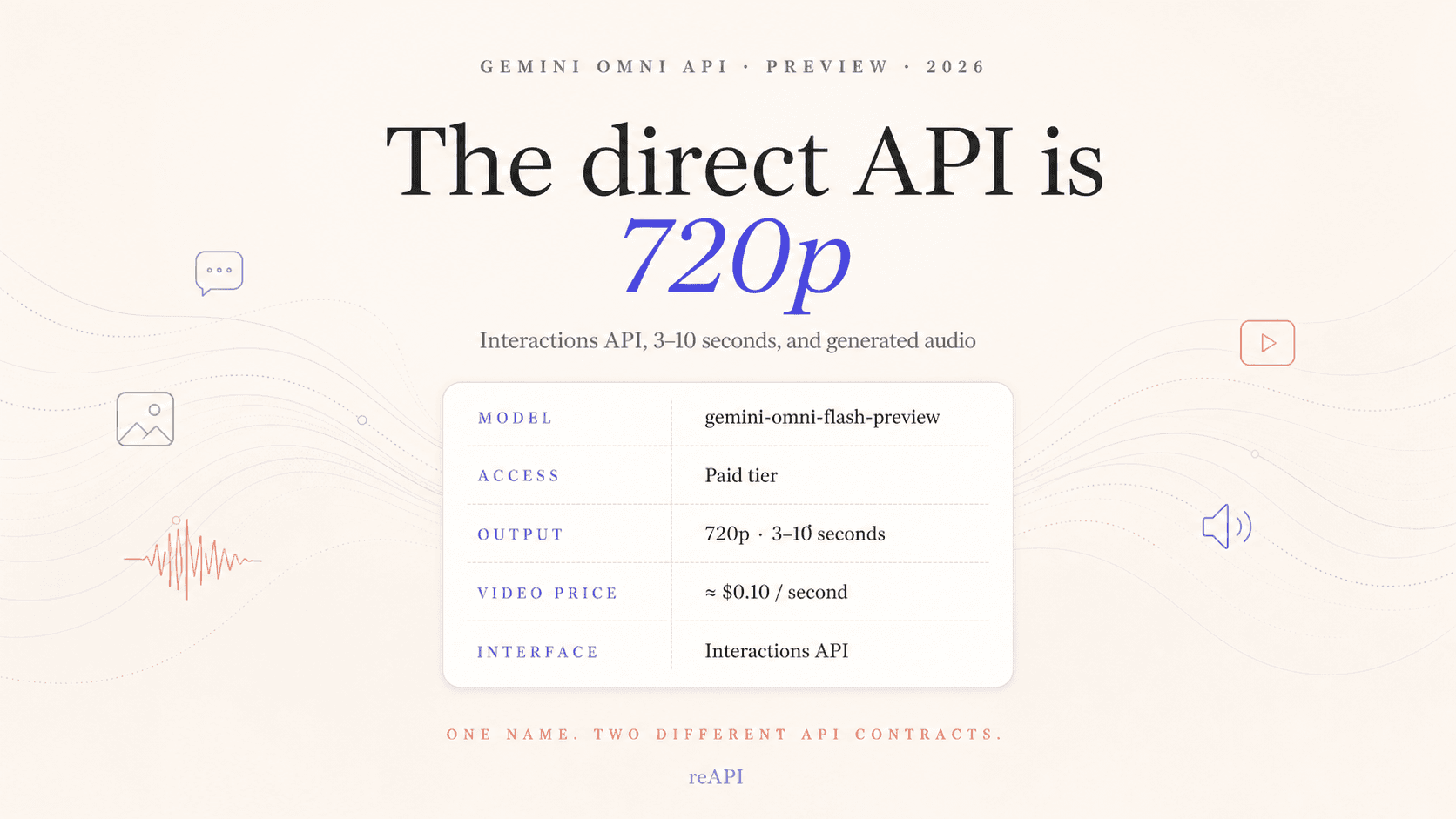
Gemini Omni API: Preview Specs, Pricing, and Limits
Google's Gemini Omni API preview explained: model ID, Interactions API, 720p output, pricing, input limits, multi-turn editing, and reAPI differences.
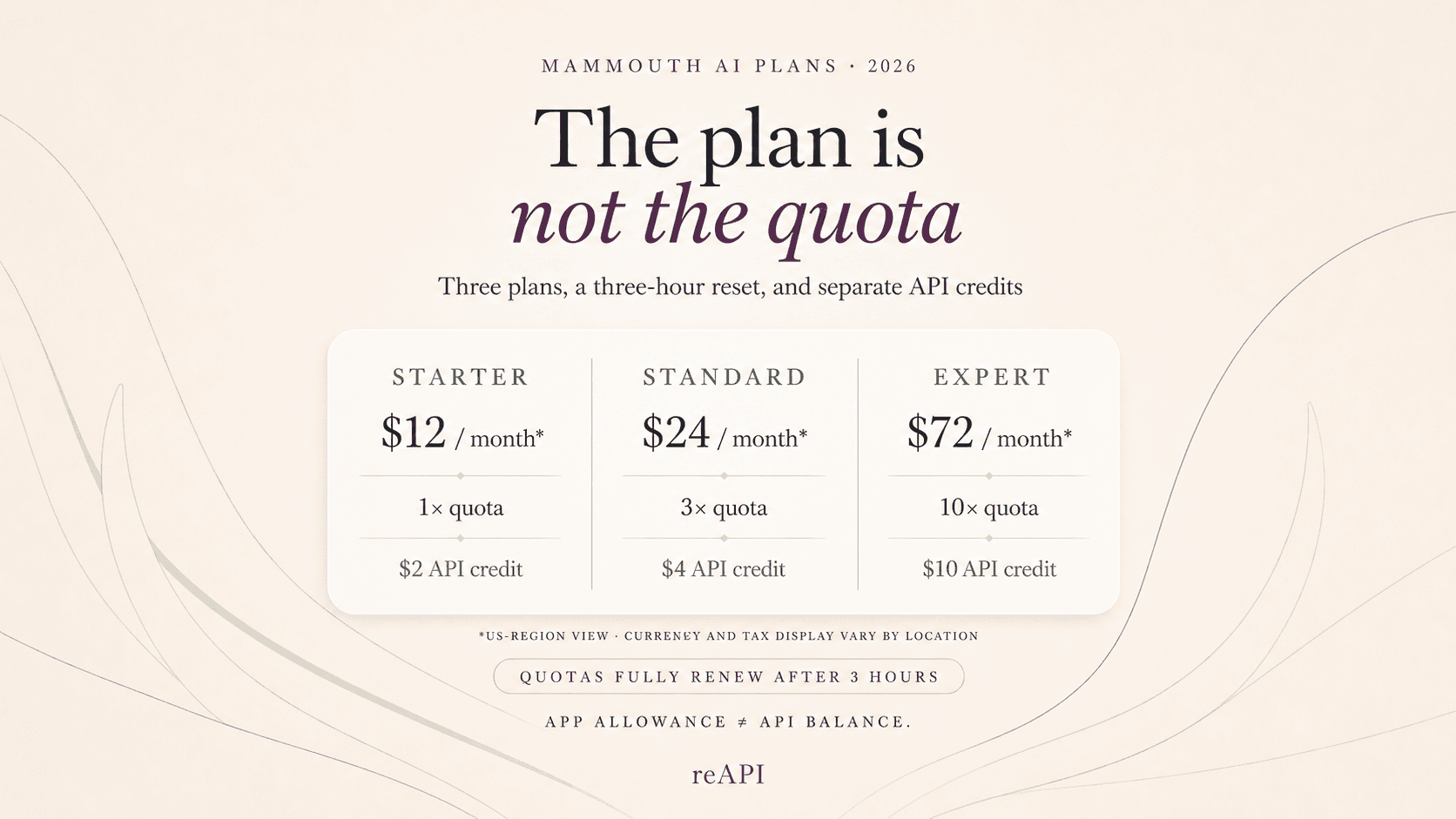
Mammouth AI Pricing: Plans, Limits, and API Access (2026)
Mammouth AI pricing explained: compare Starter, Standard, and Expert plans, three-hour quota resets, included API credits, PAYG access, and file limits.

7 Best Venice AI Alternatives for Flexible Seedance 2.0 Video
Compare Venice AI alternatives for Seedance 2.0, multimodal references, real-person inputs, and flexible moderation in image and video workflows.
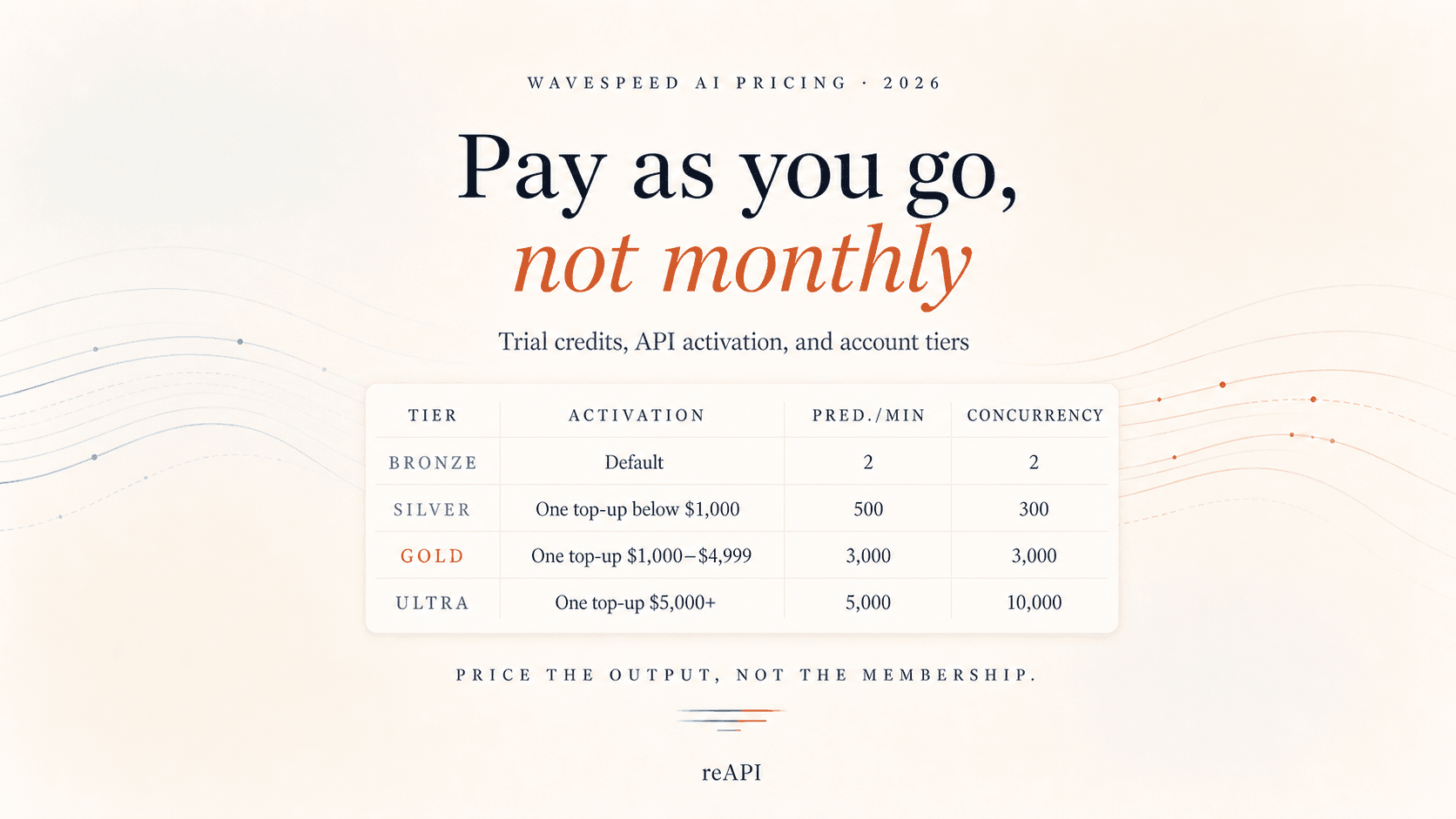
WaveSpeed AI Pricing: Free Trial, Tiers, and PAYG
WaveSpeed AI uses pay-as-you-go credits, not a monthly membership. Learn how its free trial, account tiers, API activation, and billing limits work.
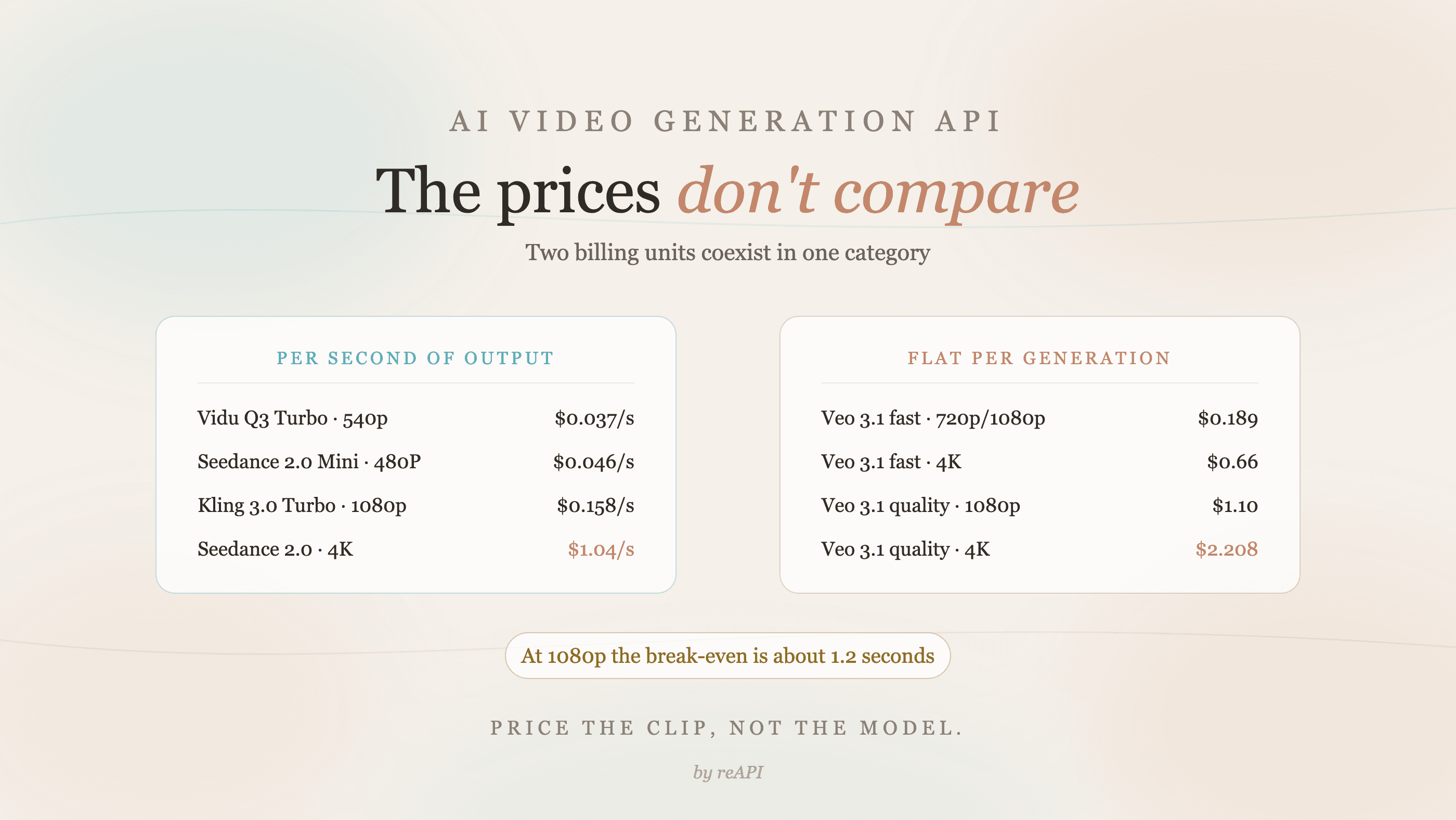
AI Video Generation API: Why the Prices Don't Compare
AI video generation API rates use two incompatible billing units: per second and flat per generation. Where the break-even sits and how to price a real clip.
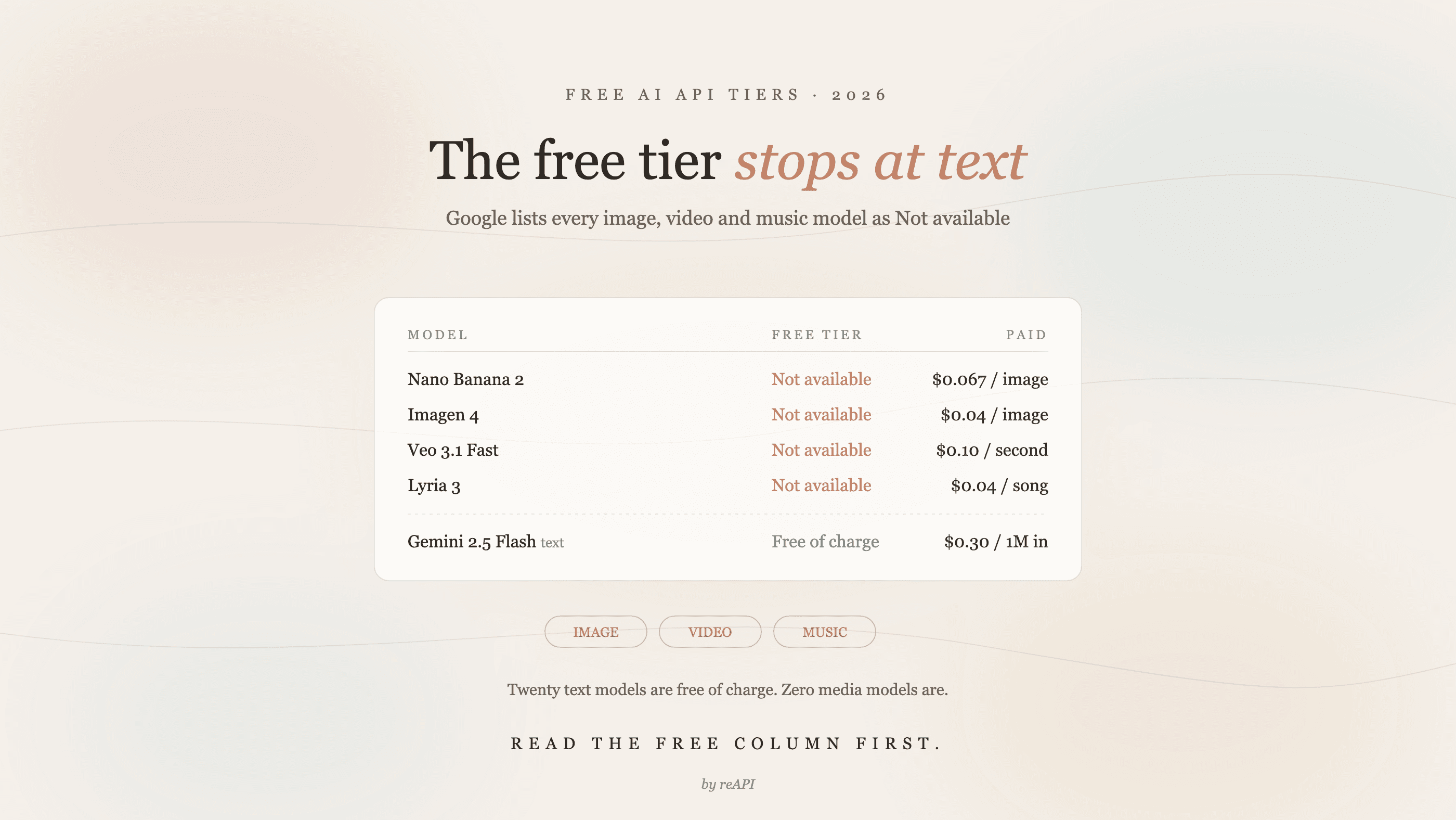
Free AI API tiers in 2026: what each one actually limits
Google's free AI API tier excludes every image, video and music model. Here is what each provider's free tier actually allows, with official 2026 prices.
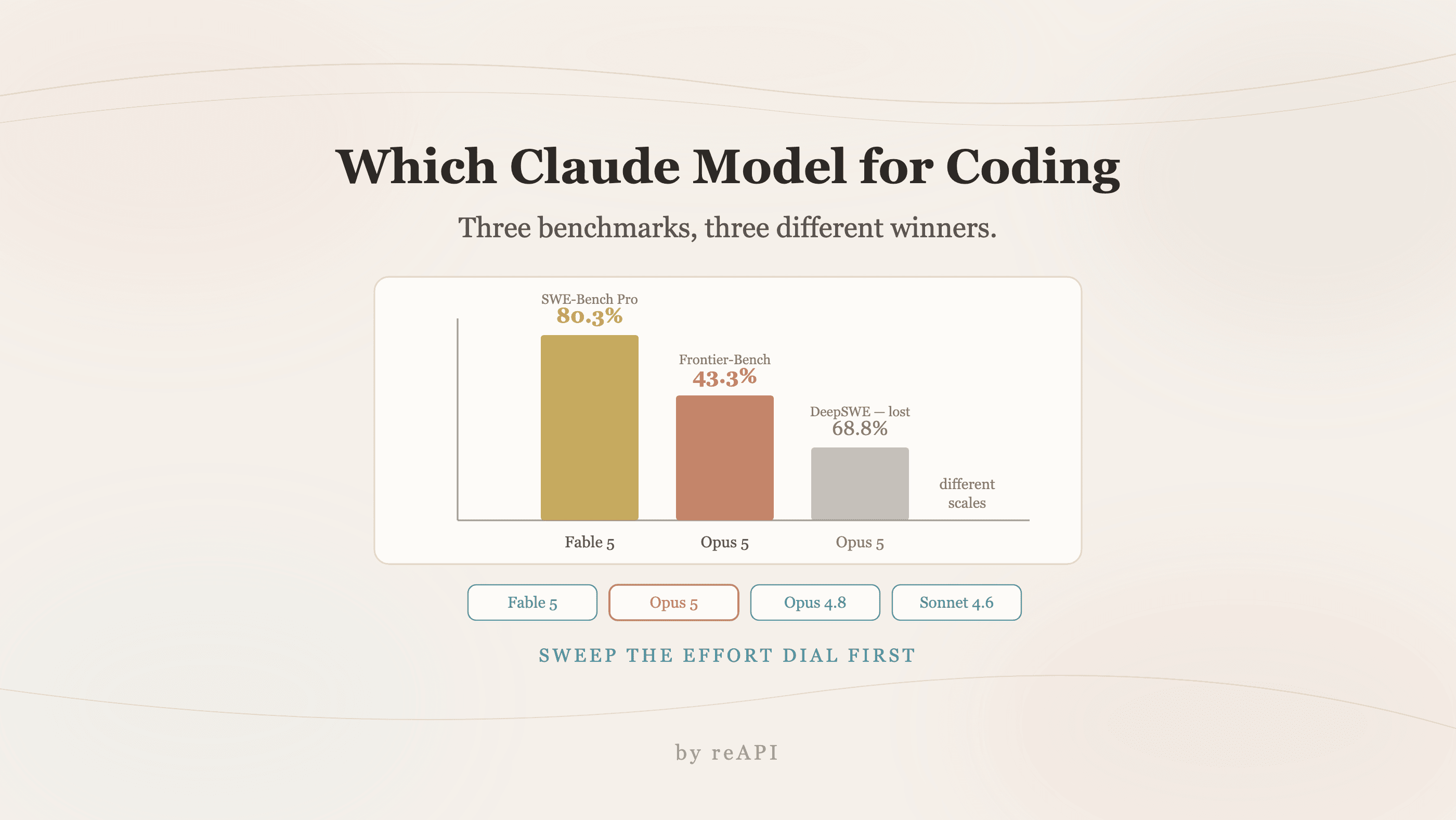
Which Claude Model Is Best for Coding and for Writing
Which Claude model is best for coding depends on the benchmark: Fable 5 tops SWE-Bench Pro, Opus 5 wins agentic terminal work and costs a third as much.
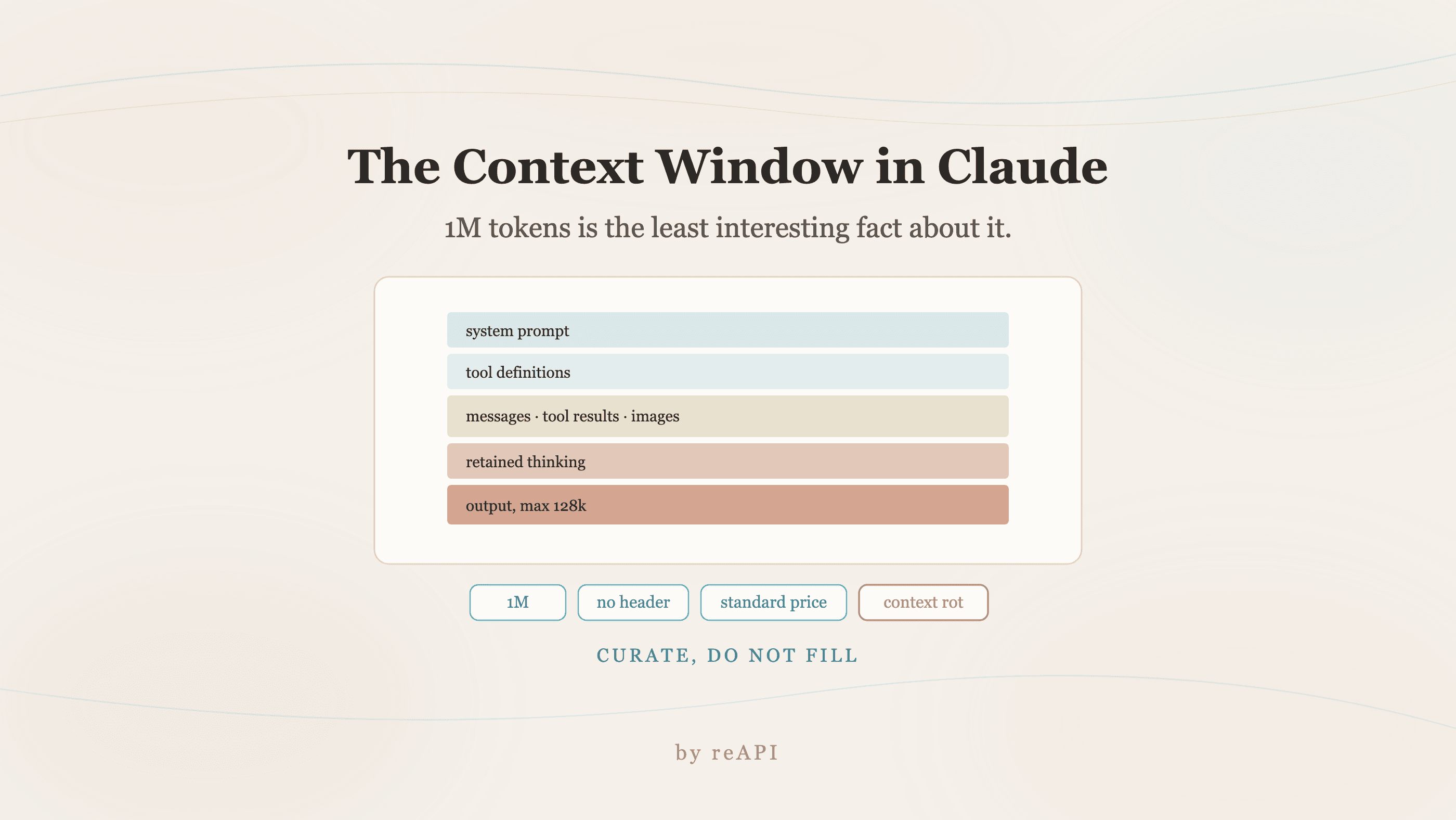
What Is the Context Window in Claude, and What Counts
The context window in Claude is 1M tokens on current models, but tool definitions, retained thinking and cached input all consume it. More is not better.
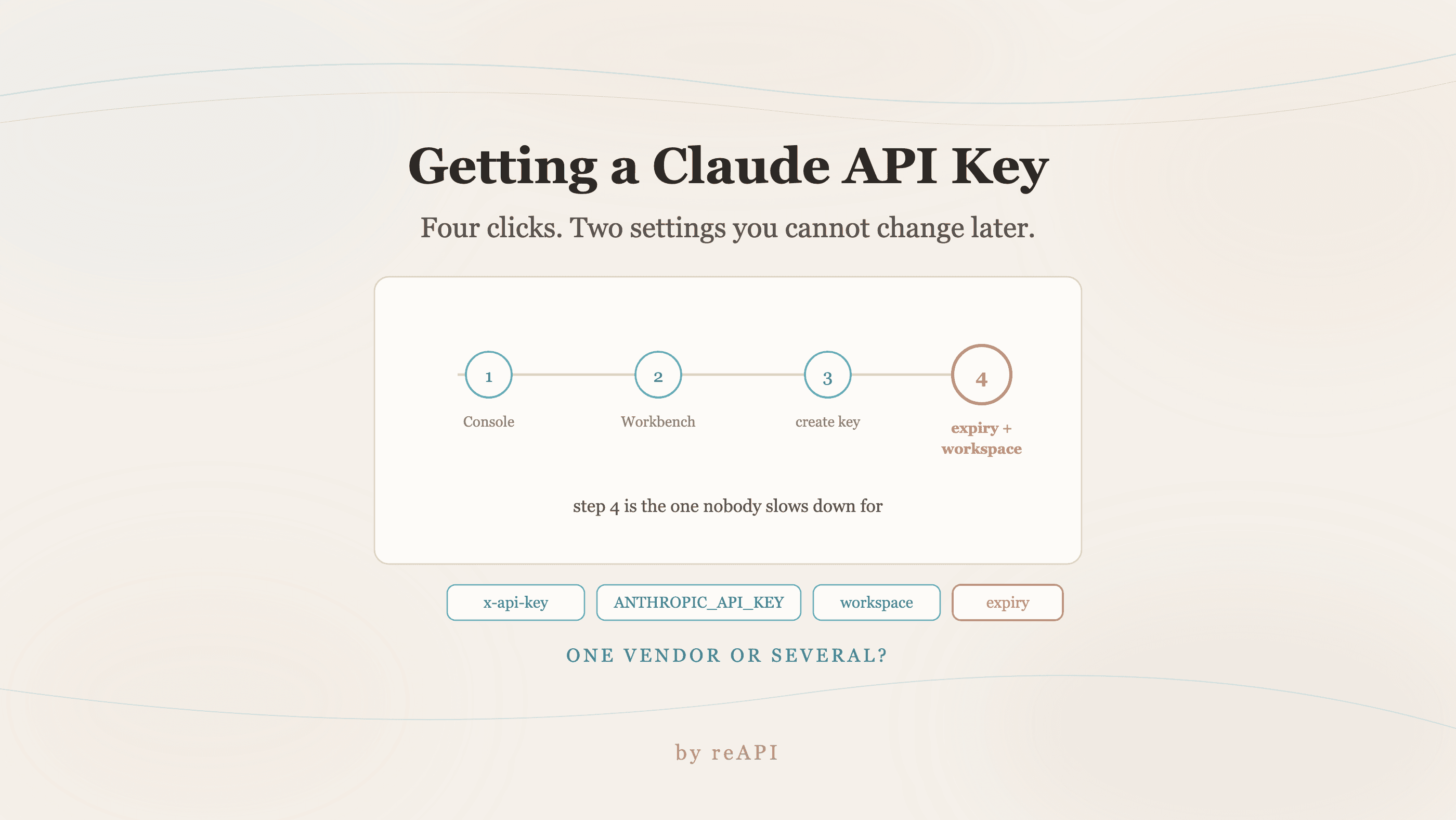
How to Get a Claude API Key, and When You Need One
Creating a Claude API key takes four clicks. Expiration and workspace are chosen once and cannot be changed later, and calling several vendors changes the math.
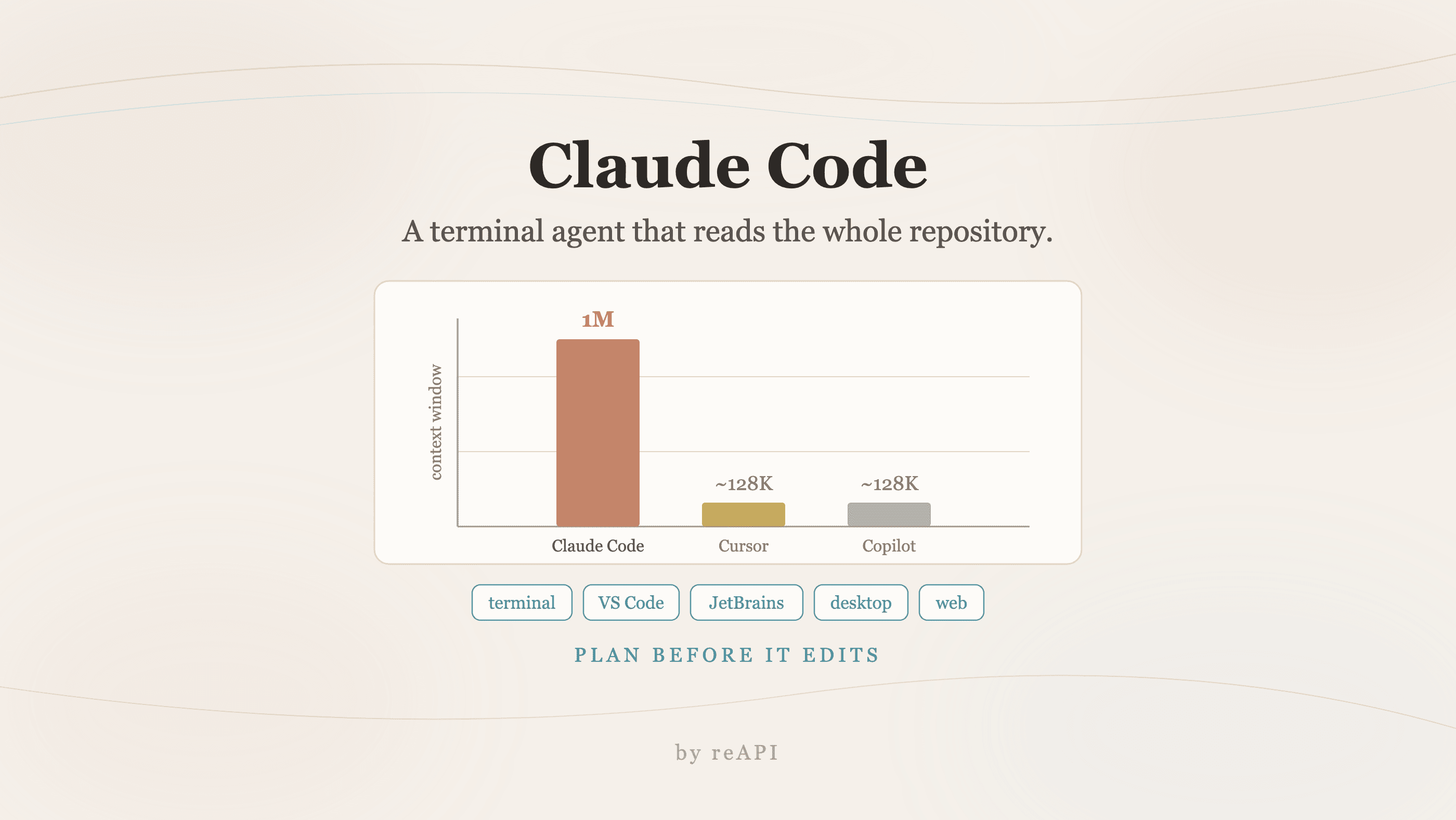
How to Use Claude Code: Anthropic's Terminal Coding Agent
How to use Claude Code: the 1M token context window, 80.8% SWE-bench score, Plan Mode, every surface it runs on, installation, and how it compares to Cursor.
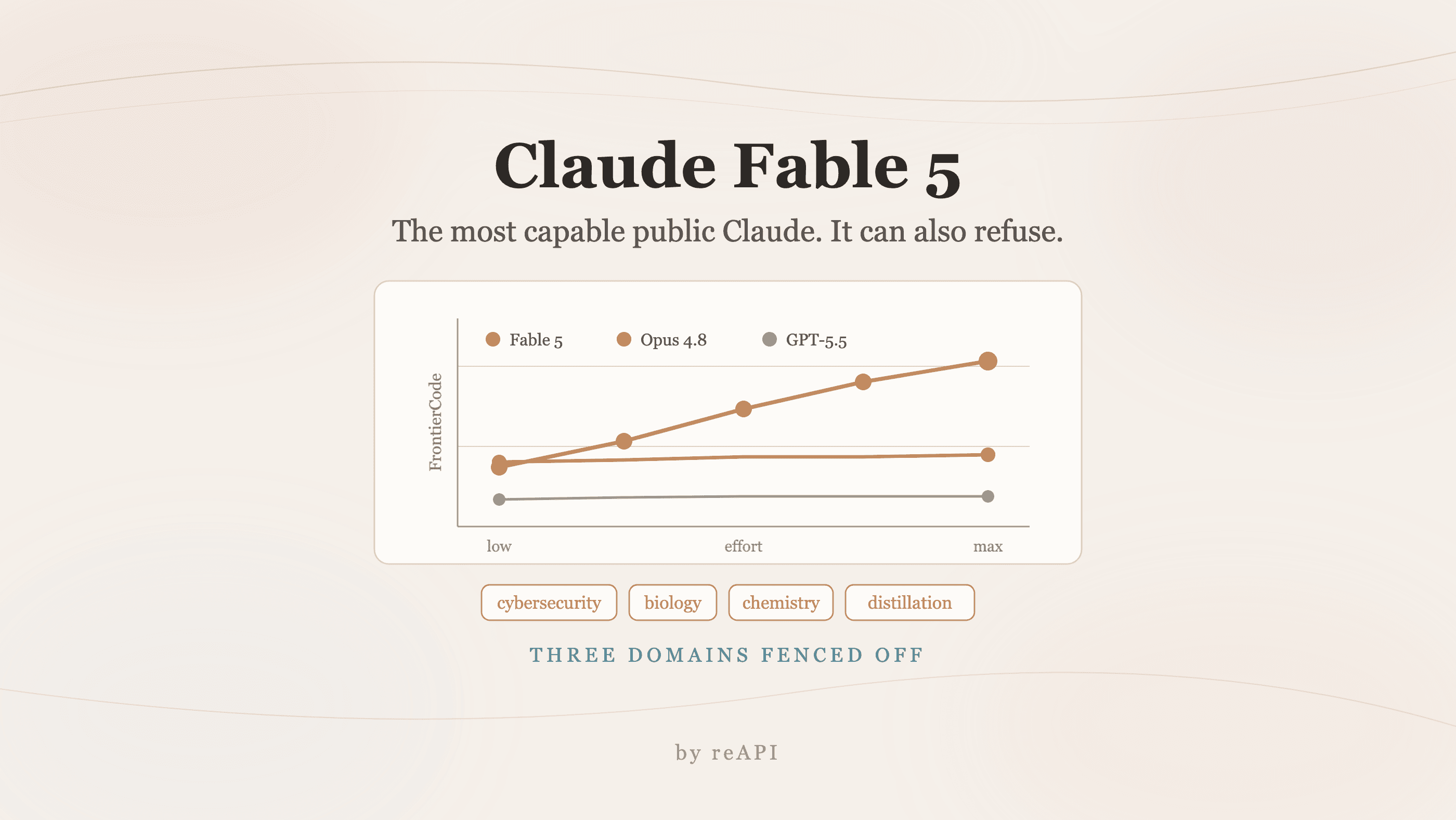
How to Use Claude Fable 5: Refusals, Fallback, and Cost
How to use Claude Fable 5: the full benchmark table, the refusal and fallback contract that changes your code, mandatory retention, and what Opus 5 changed.
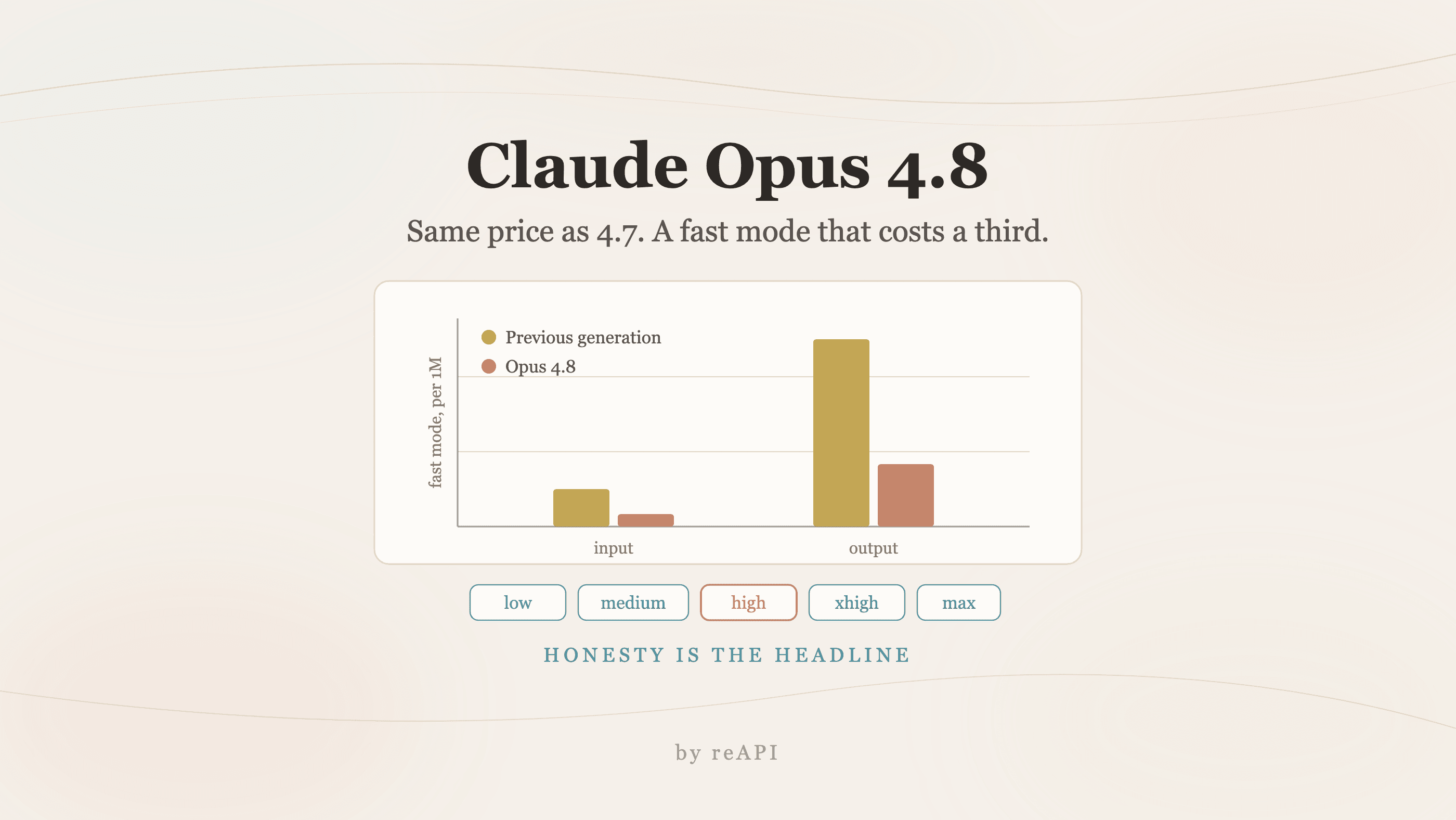
How to Use Claude Opus 4.8: Coding, Honesty, and Cost
How to use Claude Opus 4.8: the official benchmark table, the honesty gain, Dynamic Workflows, the effort default that moved, and what to plan when migrating.
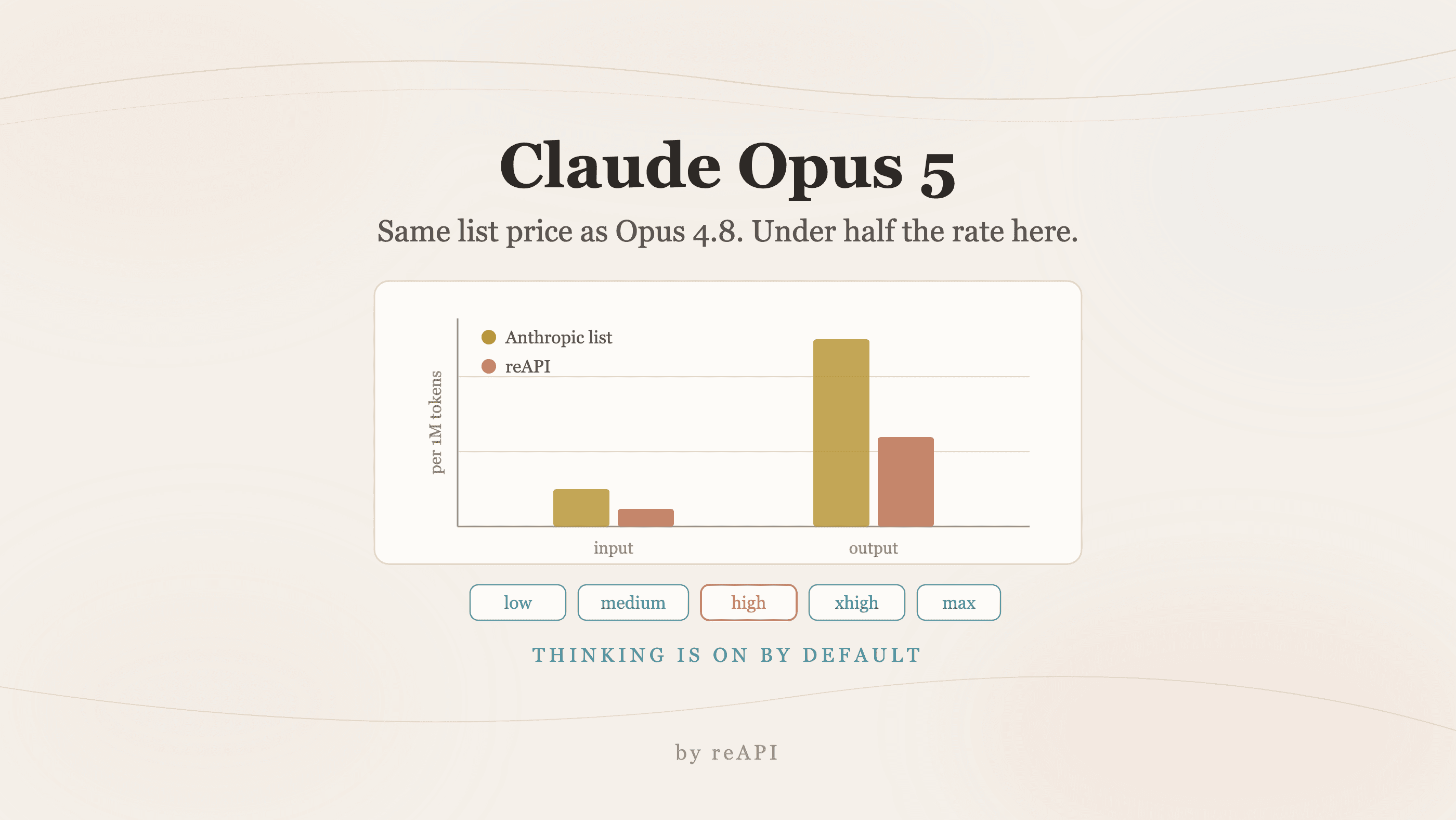
How to Use Claude Opus 5: Benchmarks, Effort, and Cost
How to use Claude Opus 5: the full official benchmark table, the effort ladder that decides your bill, two breaking API changes, and the migration steps.
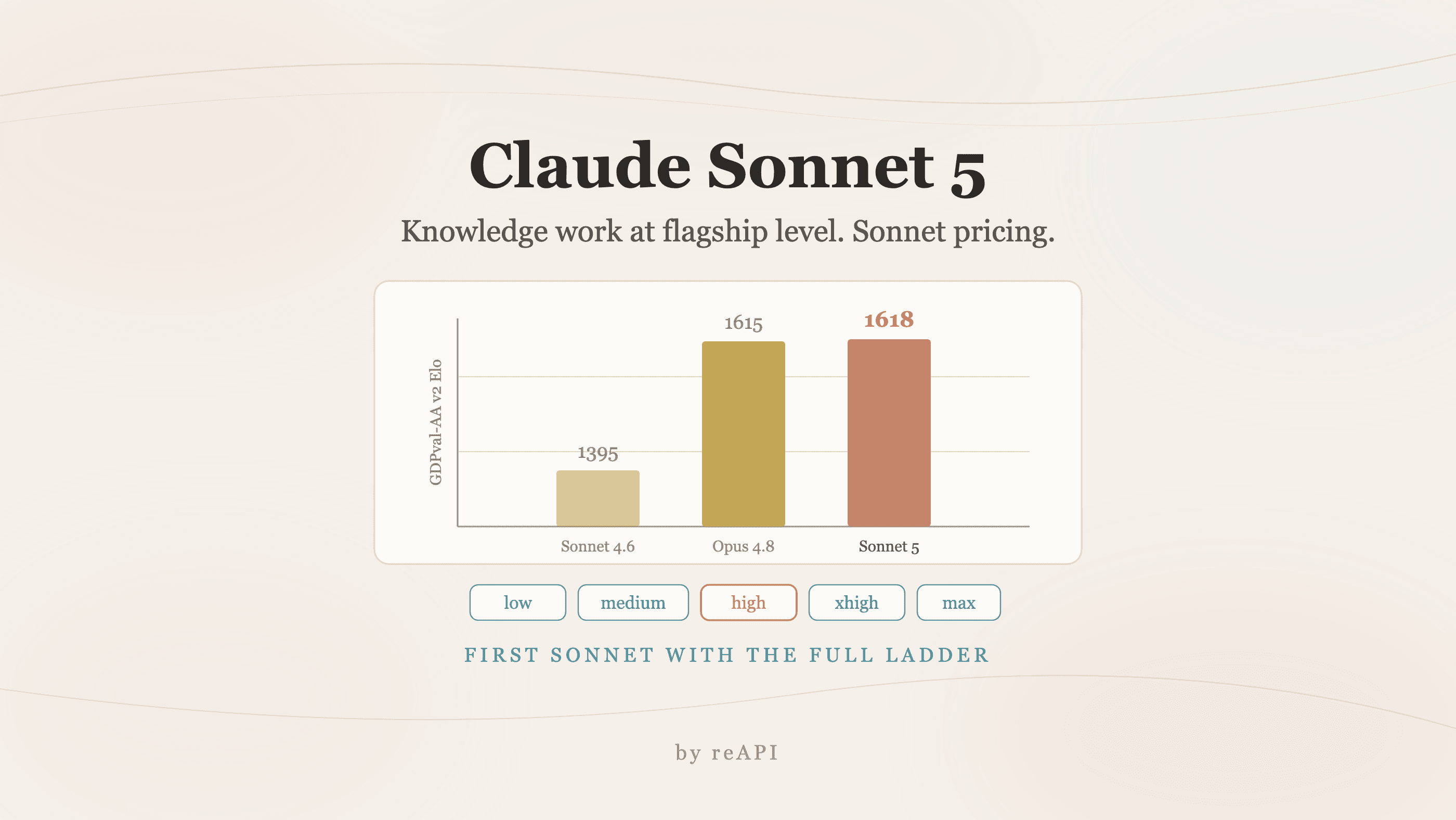
How to Use Claude Sonnet 5: Effort, Cost, and Limits
How to use Claude Sonnet 5: benchmarks against Opus 4.8, the effort ladder that drives cost, the denser tokenizer that inflates bills, and migration steps.
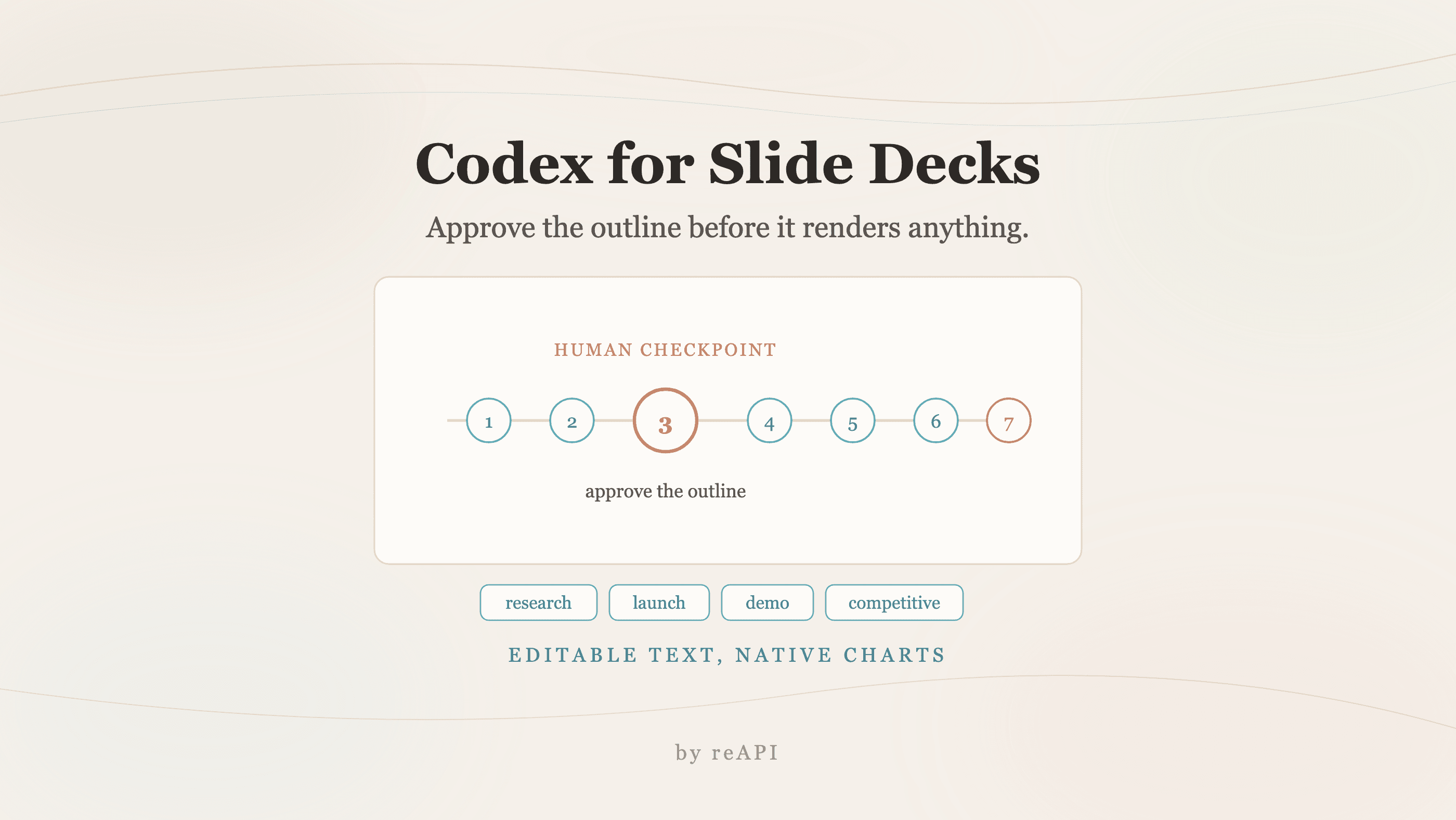
How to Use Codex to Generate Slide Decks From Research
How to use Codex to generate slides: the seven-step workflow, the outline checkpoint that decides deck quality, prompts that pin exact claims, and its limits.
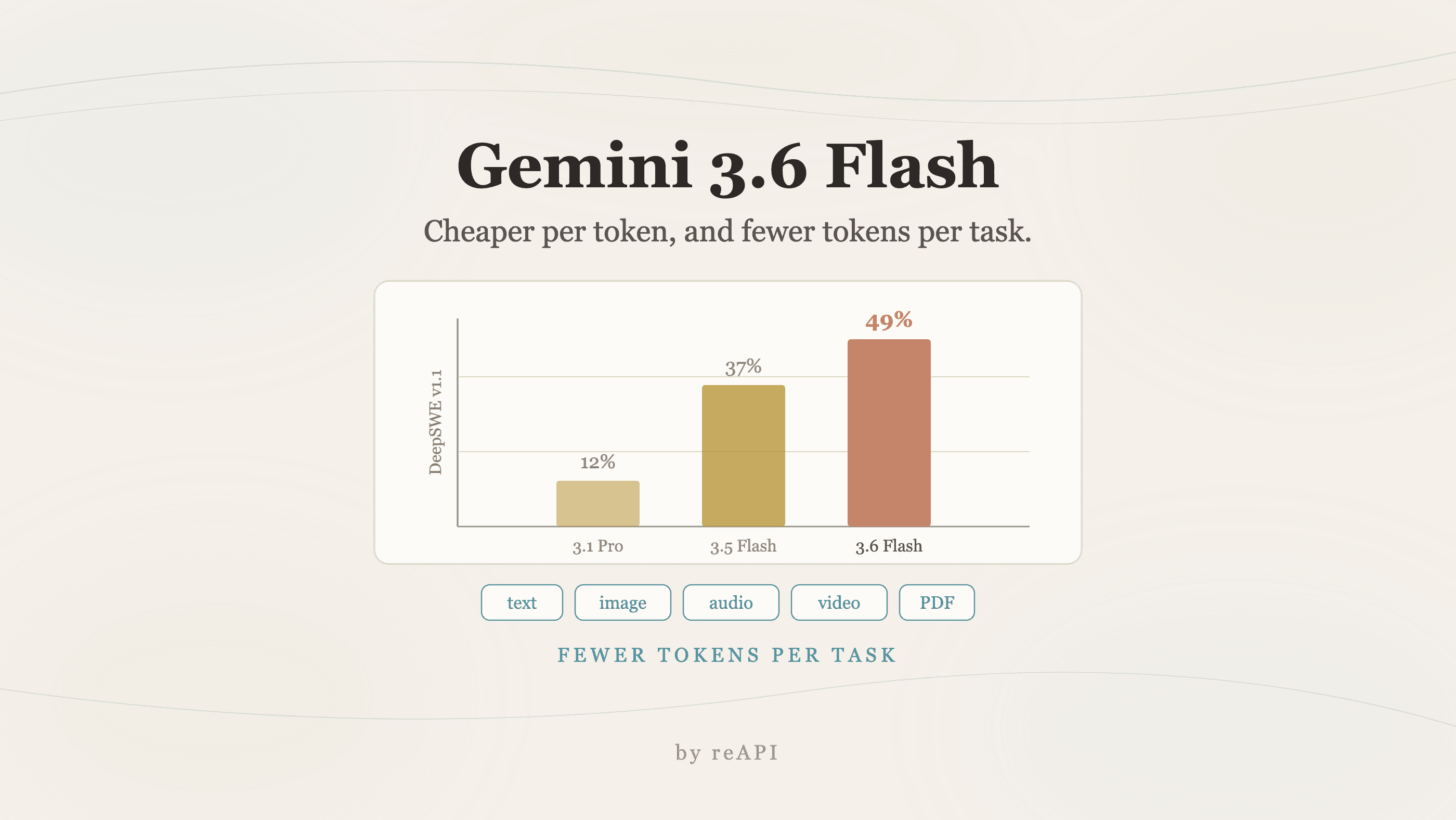
How to Use Gemini 3.6 Flash: Speed, Price, and Limits
How to use Gemini 3.6 Flash: official benchmarks, where it loses to GPT-5.6 Luna and Sonnet 5, four breaking API changes, and the Flash-Lite and Cyber models.