Blog
Latest news and updates from our team

Grok Imagine 2.0 vs GPT Image 2: Scores, Editing, and API
Grok Imagine 2.0 ranks second to GPT Image 2 on both Arena boards, but has no API yet. Elo gaps, region editing, and which model you can ship on now.


Which Grok Imagine Model to Use: 1.0 vs 1.5 vs Image 2.0
Three Grok Imagine models in four months, split across video and images. Which one has an API, which is cheaper, and the naming trap that costs an afternoon.

AI Video Generator Long Videos: Chaining Past the Cap
No AI video generator long videos mode exists: 30 seconds is the ceiling. How frame chaining works, the three rules it enforces, and what three minutes costs.

AI Video Generator With Real People: What Actually Works
Use an AI video generator with real people: supported reference inputs, native dialogue options, documented limits, moderation, and cost.

Runway Alternatives in 2026: A Head-to-Head With reAPI
Runway alternatives compared on published rates: Seedance 2.5 costs 11% less at 720p and 41% less at 480p on reAPI, plus what Runway still wins outright.
Seedance 2.5 API Pricing: fal vs kie vs WaveSpeed vs reAPI
Real Seedance 2.5 API pricing on four platforms, pulled August 2026. Rates spread 1.8x, reference jobs bill on a different clock, and three worked examples.
Seedance 2.5 Content Filtering: Diagnosing a Refusal
Diagnose a Seedance 2.5 refusal from the submit response, task error, routing parameter, and settled usage instead of guessing which safety check fired.

Seedance 2.5 Unlimited Plans: Audit the Math
Audit a Seedance 2.5 unlimited plan from its published model, window, queue, concurrency, duration, and access terms, then compare metered cost.
Seedance Face Detected: Real Person Errors, Explained
Troubleshoot Seedance face detected errors by checking supported references, media rules, automated review, and refund status without guessing the cause.

Unlimited AI Video Generator Plans: Run the Math First
A four-step test for any unlimited AI video generator plan, using only numbers the vendor publishes, plus the eight places these offers hide their real cap.

Seedance 2.5 vs Seedance 2.0: Which Fits Your Workload?
Seedance 2.5 vs Seedance 2.0 compared with live per-second prices: 30s takes and video edits on 2.5, 1080p/4K and cheaper tiers on 2.0. Pick by workload.

AI Image Generation Cost vs Video: 2-9x More Per Frame
AI image generation cost per megapixel runs 2 to 9 times a frame of generated video. The per-frame math across eight video tiers and seven image models.

Seedance 2.5 Pricing: 53% More Per Token Than Seedance 2.0
Seedance 2.5 pricing is $10.70 per million tokens on BytePlus. See the per-second conversion, reference-video clock, and current reAPI rates.

Atlas Cloud vs Higgsfield: API Platform or Creator Studio?
Atlas Cloud vs Higgsfield vs reAPI for Seedance: compare API access, creator workflows, pricing, model breadth, and which platform fits your team.

Best Higgsfield Alternatives for AI Video Creators and APIs
Compare the best Higgsfield alternatives for AI video, including reAPI, Atlas Cloud, fal, Replicate, Krea, and Dreamina across workflow and billing.
Best Seedance 2.5 Alternatives: H3, Veo, Sora and More
Compare the best Seedance 2.5 alternatives for video generation, including MiniMax H3, Seedance 2.0, Veo 3.1, Sora 2, Runway, and Kling 3.
Can You Tell If a Writer Used ChatGPT? Patterns, Not Proof
Can you tell if a writer used ChatGPT? Learn the recurring style signals, why no phrase proves AI authorship, and a fairer way to review suspicious text.
CLAUDE.md: The Simple File That Makes Coding Agents Better
Learn what CLAUDE.md does, why four simple coding-agent rules went viral, what belongs in the file, and how to build a concise project template that works.
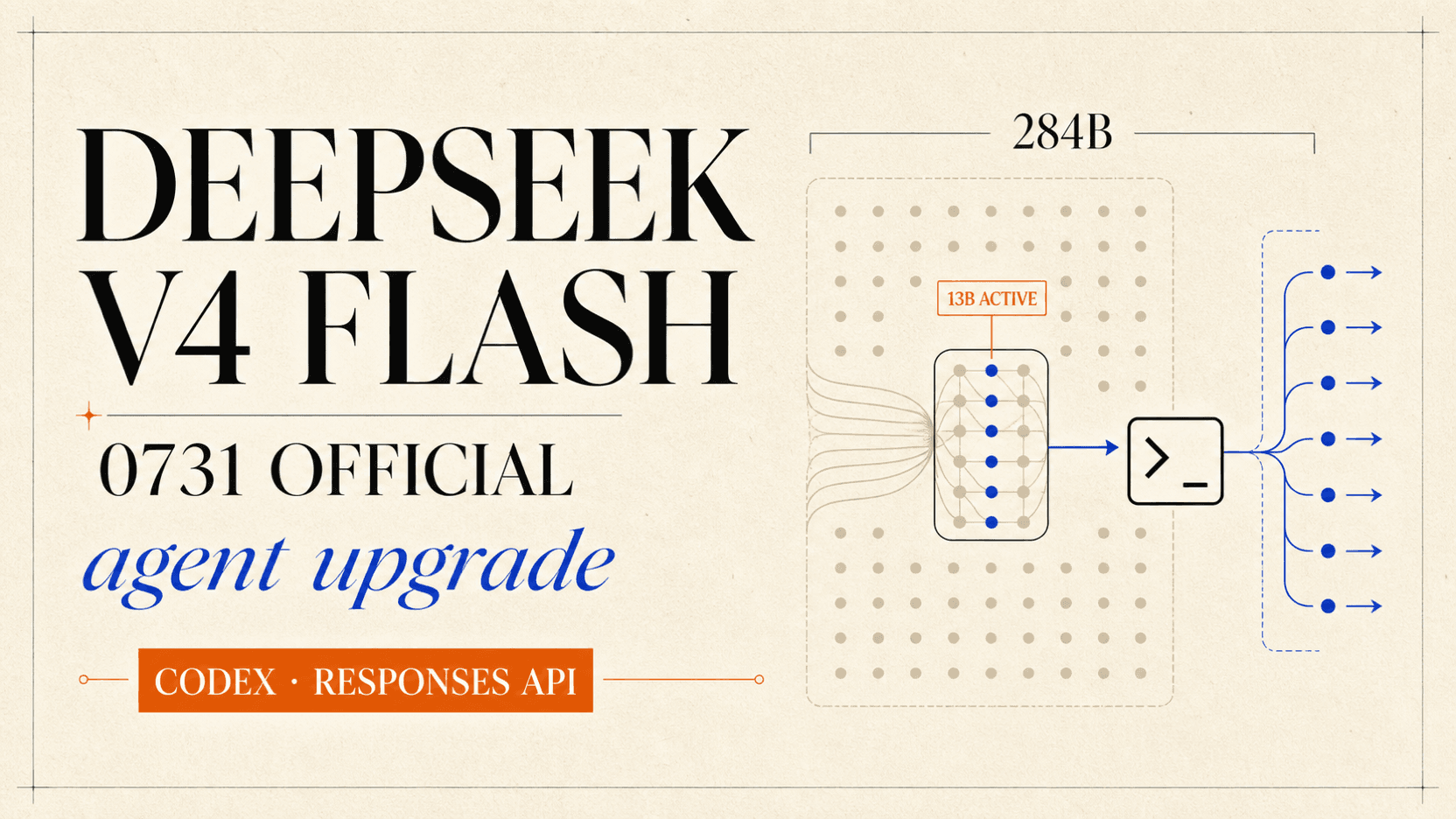
DeepSeek V4 Flash Official Release: 0731 Agent and Codex Upgrades
DeepSeek V4 Flash 0731 is live in API public beta with stronger agent benchmarks, native Responses API support, Codex integration, and the same model ID today.
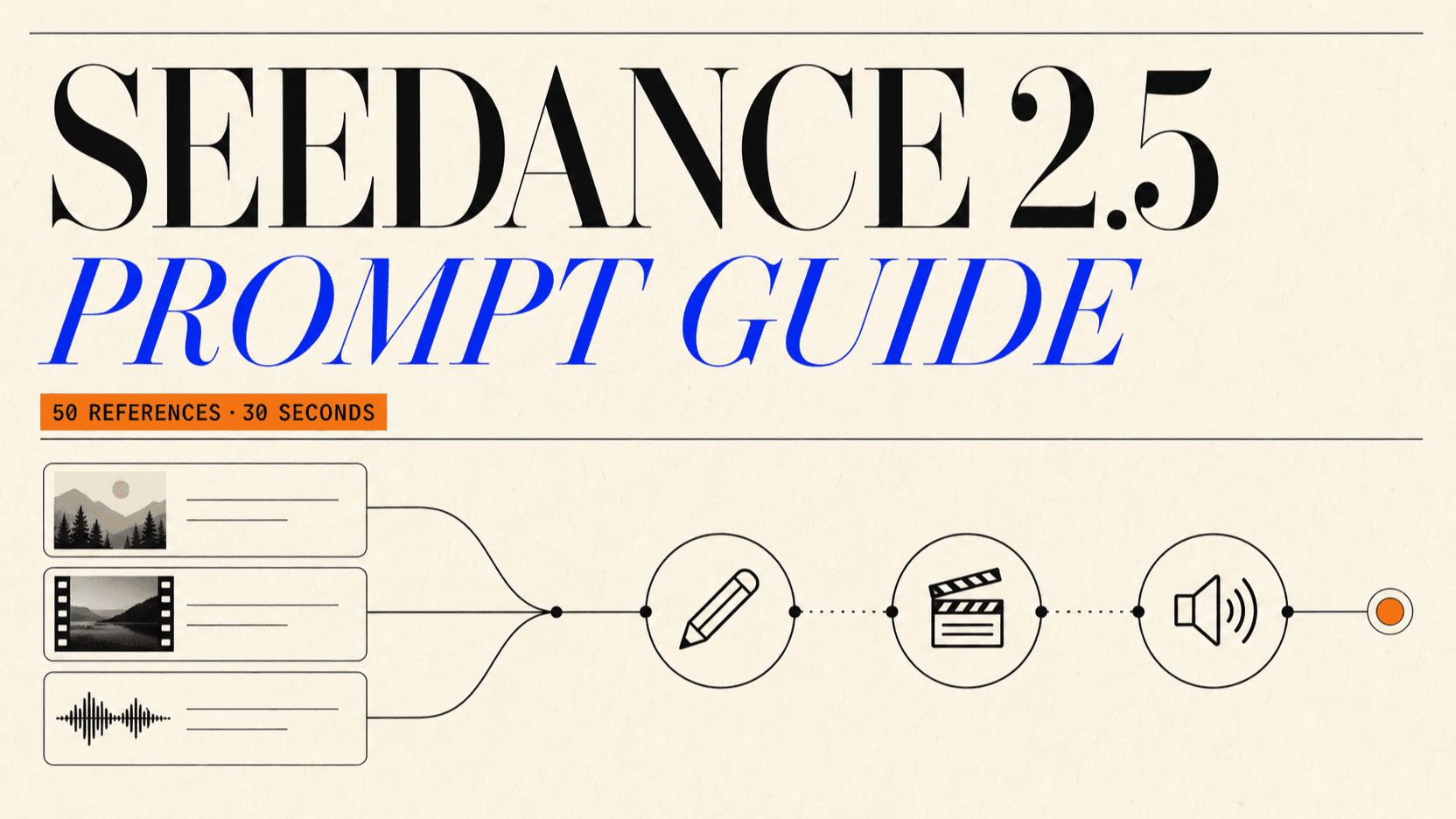
Dreamina Seedance 2.5 Prompt Guide: References & Timing
Write better Seedance 2.5 prompts with official reference limits, 30-second stages, timestamp control, editing, extension, and keyframe templates.
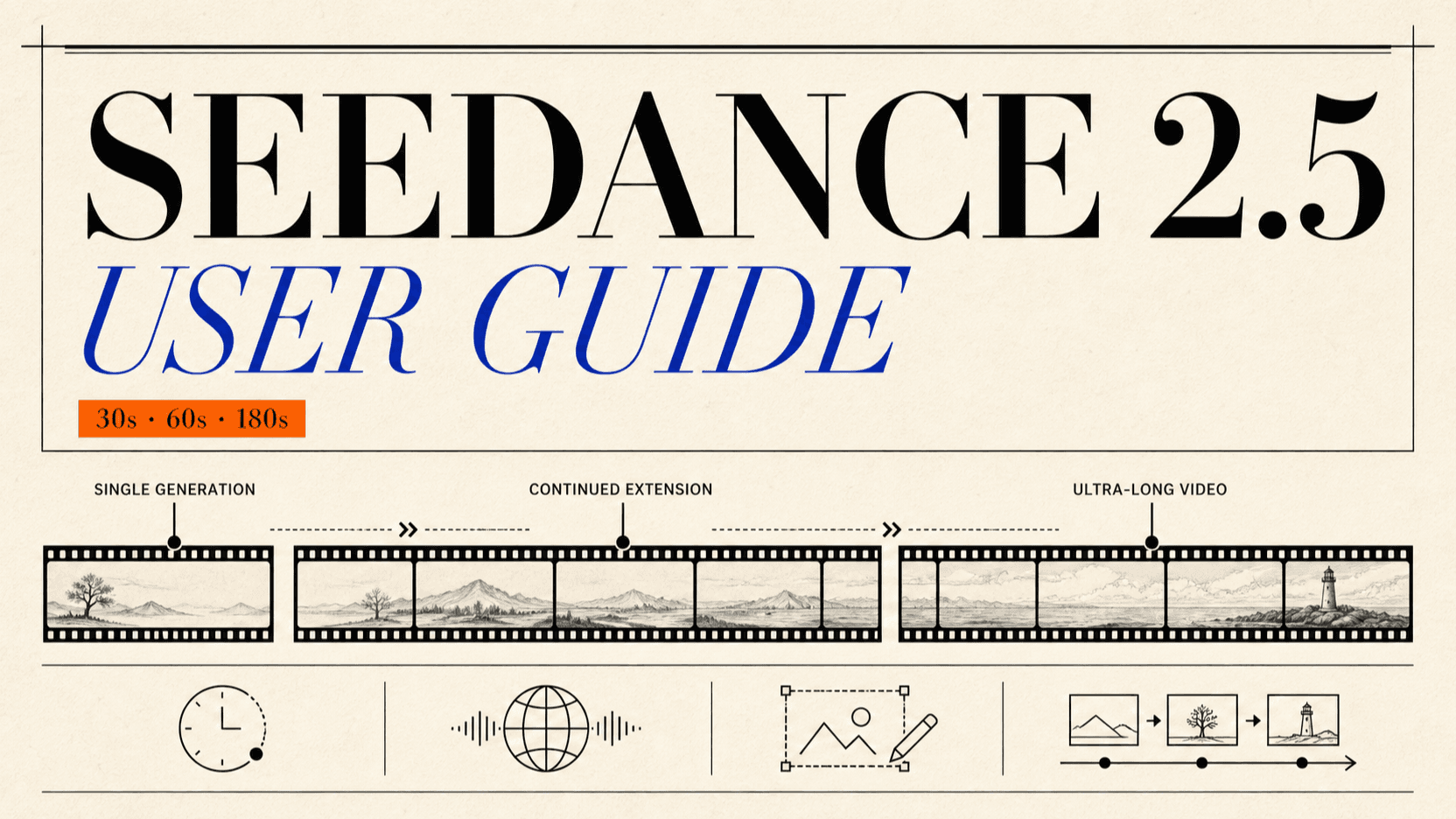
Dreamina Seedance 2.5 User Guide: 30s & Long-Video Modes
Dreamina Seedance 2.5 guide with examples for 30-second generation, extension, long videos, timestamps, references, editing, audio cleanup, and storyboards.
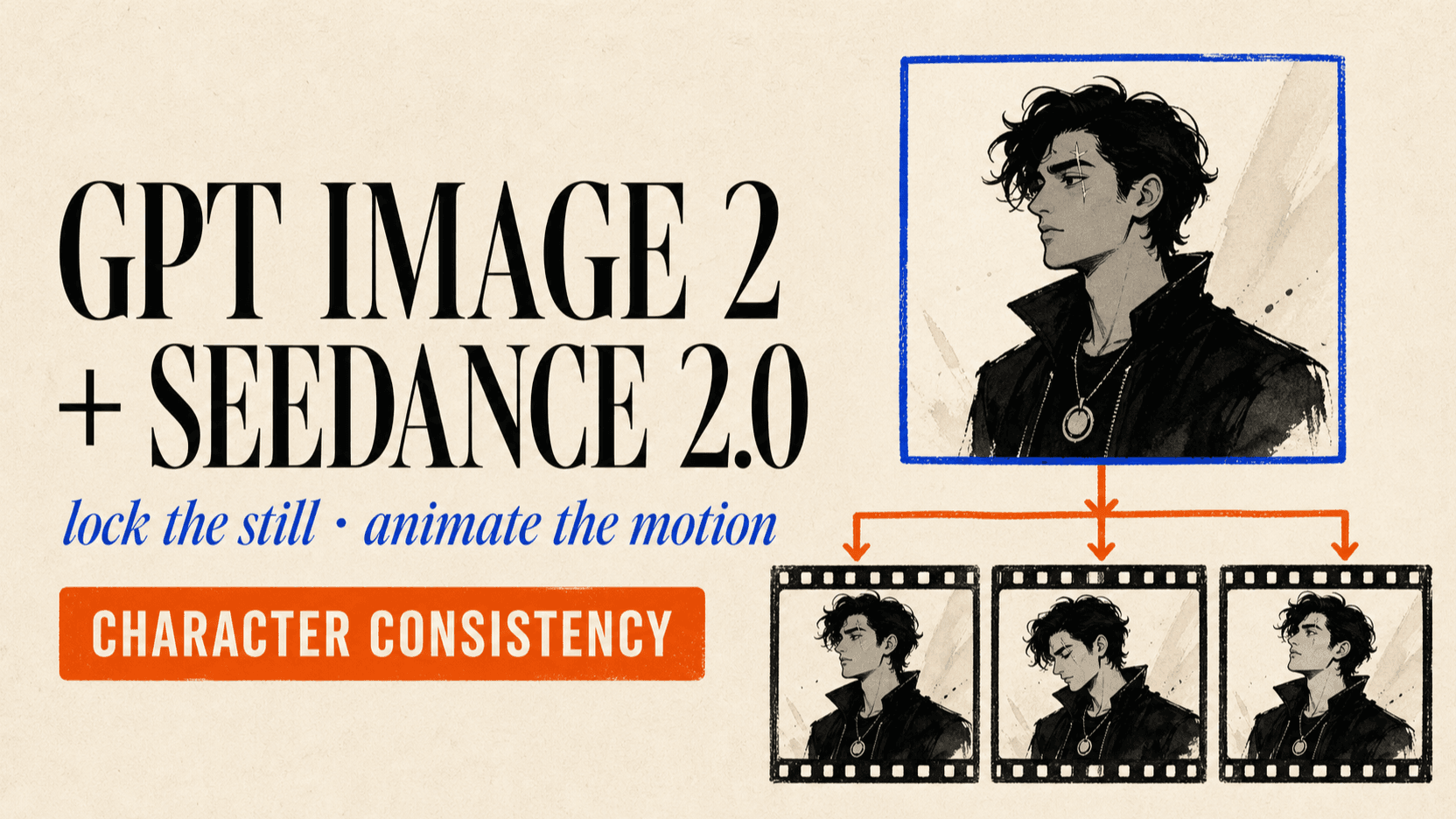
GPT Image 2 + Seedance 2.0: A Character Consistency Workflow
Use GPT Image 2 and Seedance 2.0 to reduce character drift across AI video shots. Build identity references, animate controlled frames, and chain clips.

MiniMax H3 vs Seedance 2.5: Which AI Video Model Wins?
Compare MiniMax H3 vs Seedance 2.5 on duration, 2K output, native audio, multimodal references, editing, pricing, API access, and best use cases.
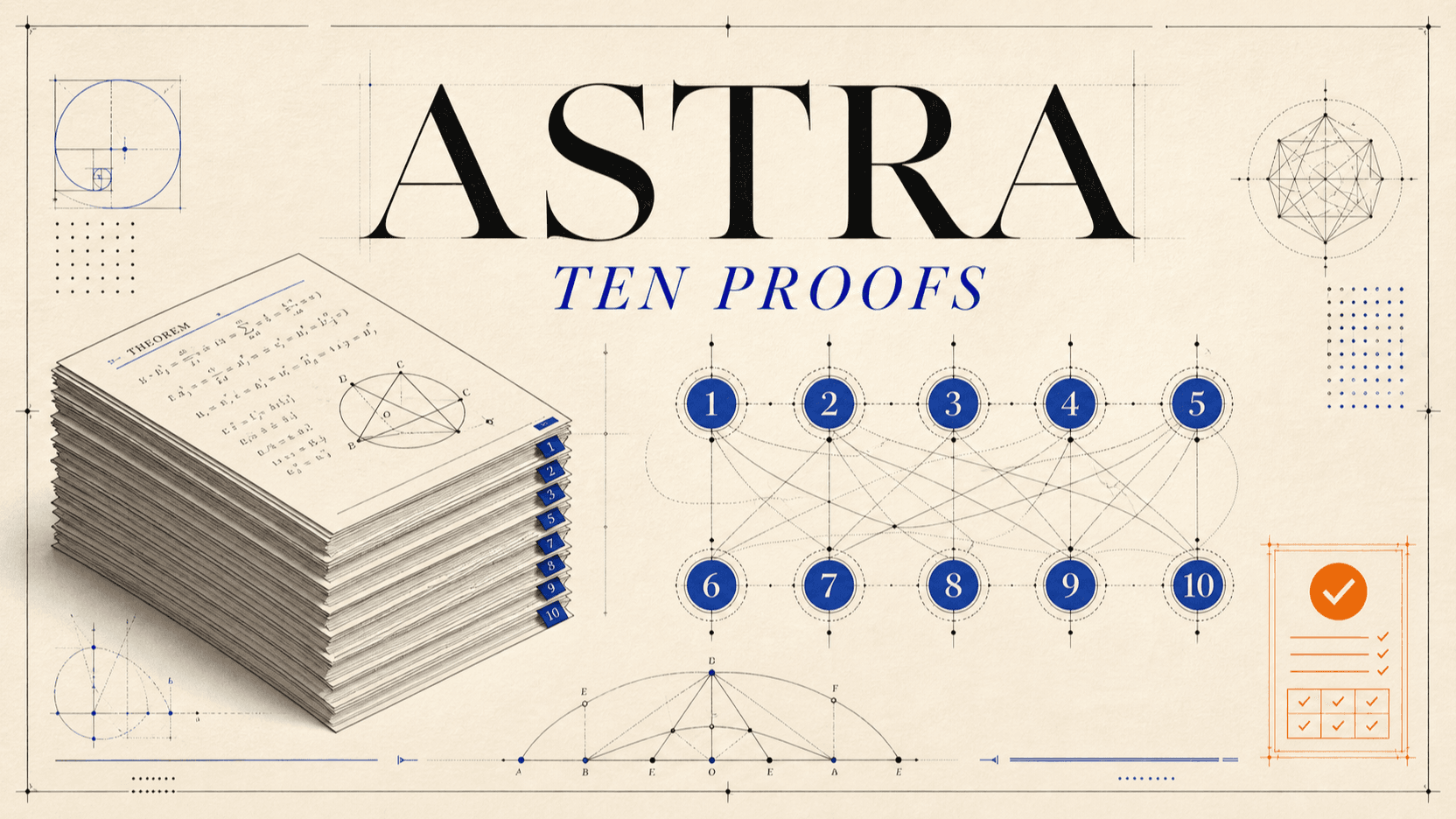
OpenAI Astra's 10 Math Breakthroughs: What They Mean
OpenAI says Astra produced ten advances in math and theoretical computer science. See what was proved, what Lean verifies, and what still needs review.
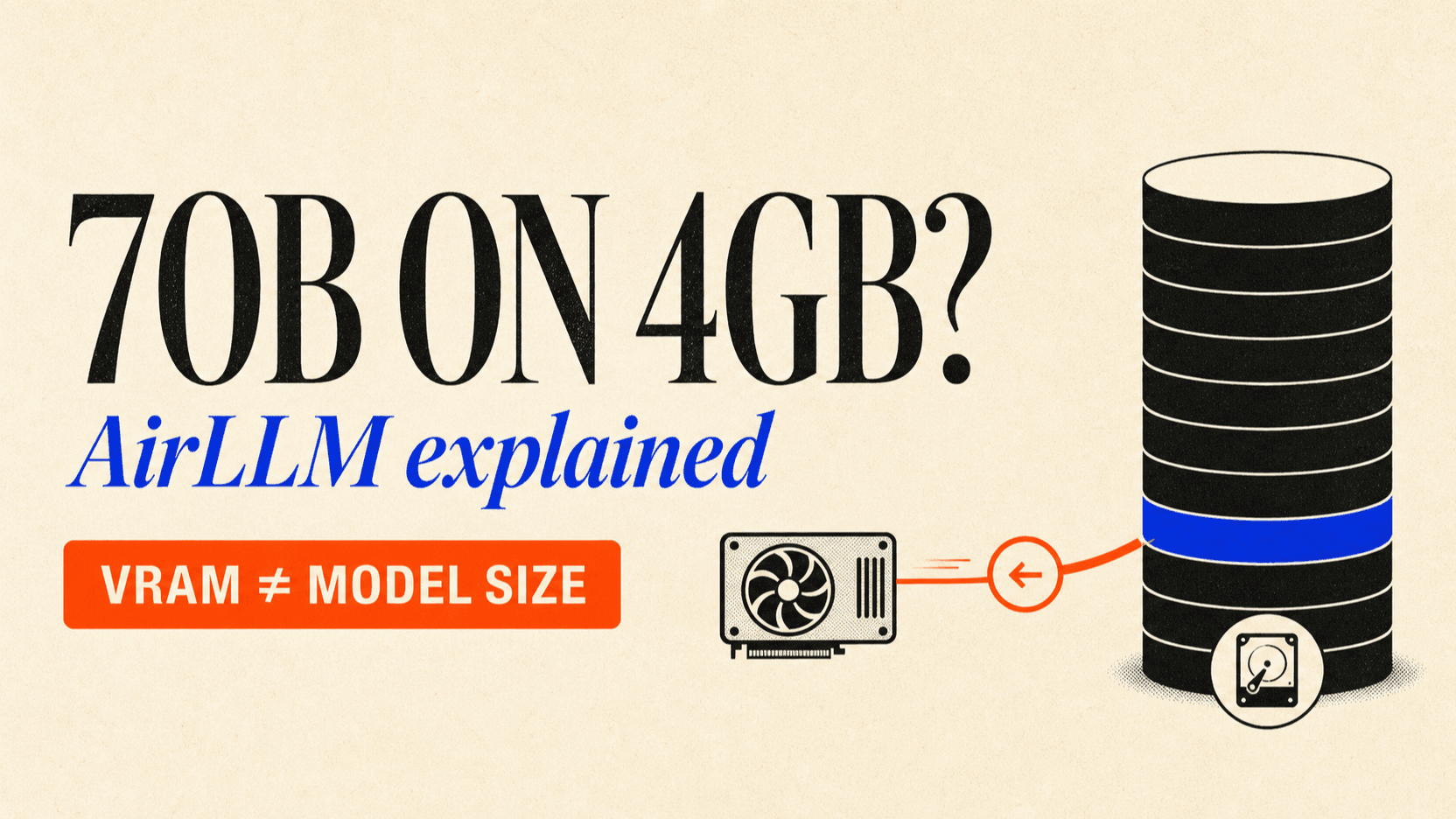
Run a 70B LLM on a 4GB GPU with AirLLM: The Honest Guide
Can a 70B LLM really run on a 4GB GPU? Learn how AirLLM streams layers from disk, what hardware it still needs, how to try it, and why it is slow.

Seedance 2.5 on Higgsfield? Availability & Alternatives
Is Seedance 2.5 available on Higgsfield? Check the current model status, what Higgsfield actually offers, expected pricing, and working alternatives.
Use ChatGPT Without Sounding Like AI: A Human-First Workflow
Use ChatGPT without generic AI prose. Turn a real thesis, evidence, constrained drafting, and careful human editing into publishable writing.

AI Image API Content Filters: How Refusals Happen
Image API filtering runs in several layers. The same prompt can pass one host and fail another, but certain boundaries never change regardless of configuration.
Claude Opus 5 vs GPT-5.6 Sol: Which Is Better for Coding? (2026)
Claude Opus 5 vs GPT-5.6 Sol for coding: compare official benchmarks, API prices, reasoning controls, tool use, and which model fits each workflow.
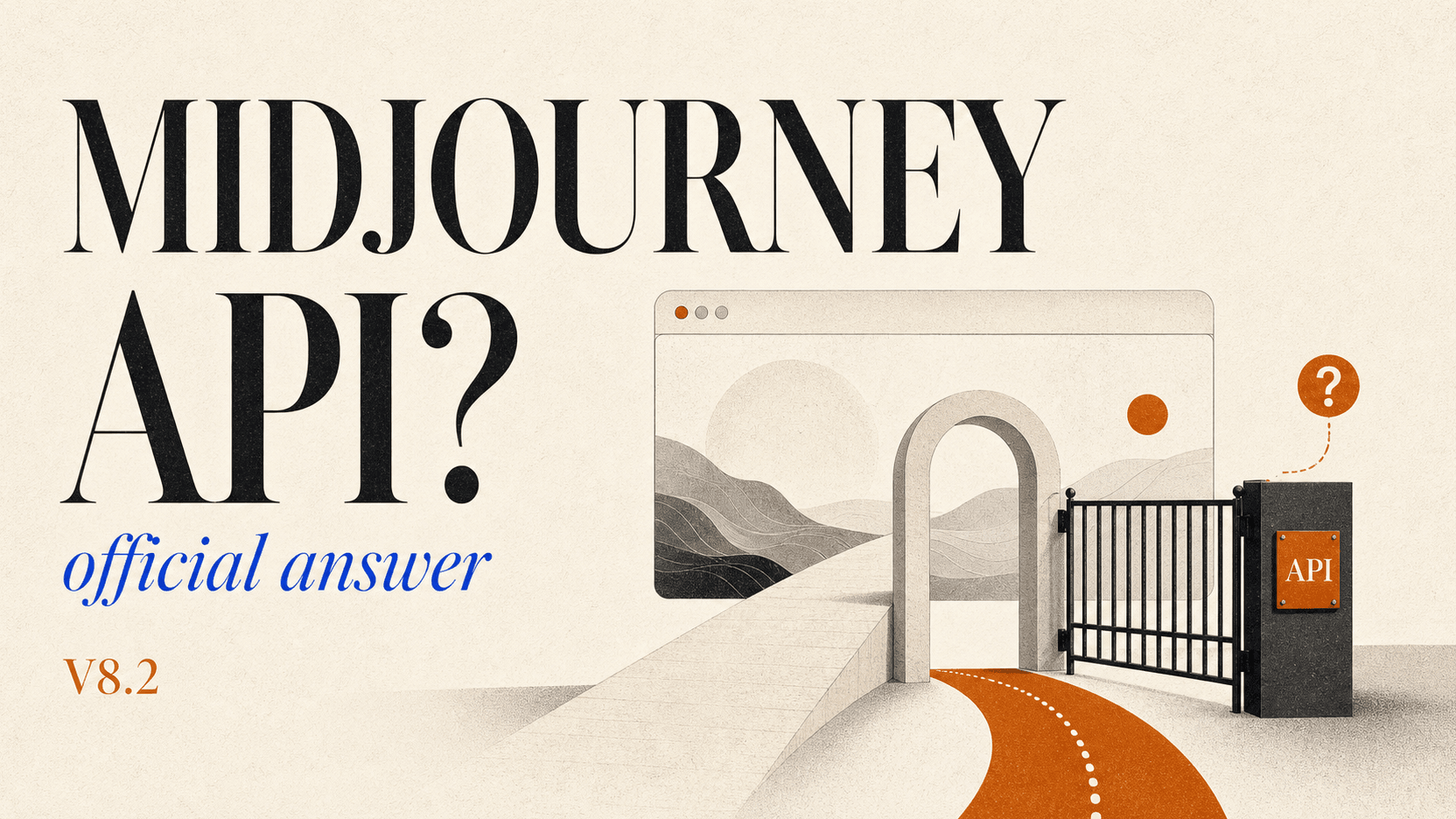
Does Midjourney Have an API? V8.2 Options Without Discord (2026)
Does Midjourney have an API? Learn the official answer, what V8.2 changes, why account automation is risky, and how to evaluate authorized API options.