OpenAI
GPT Image 2
From $0.004 per image
Image
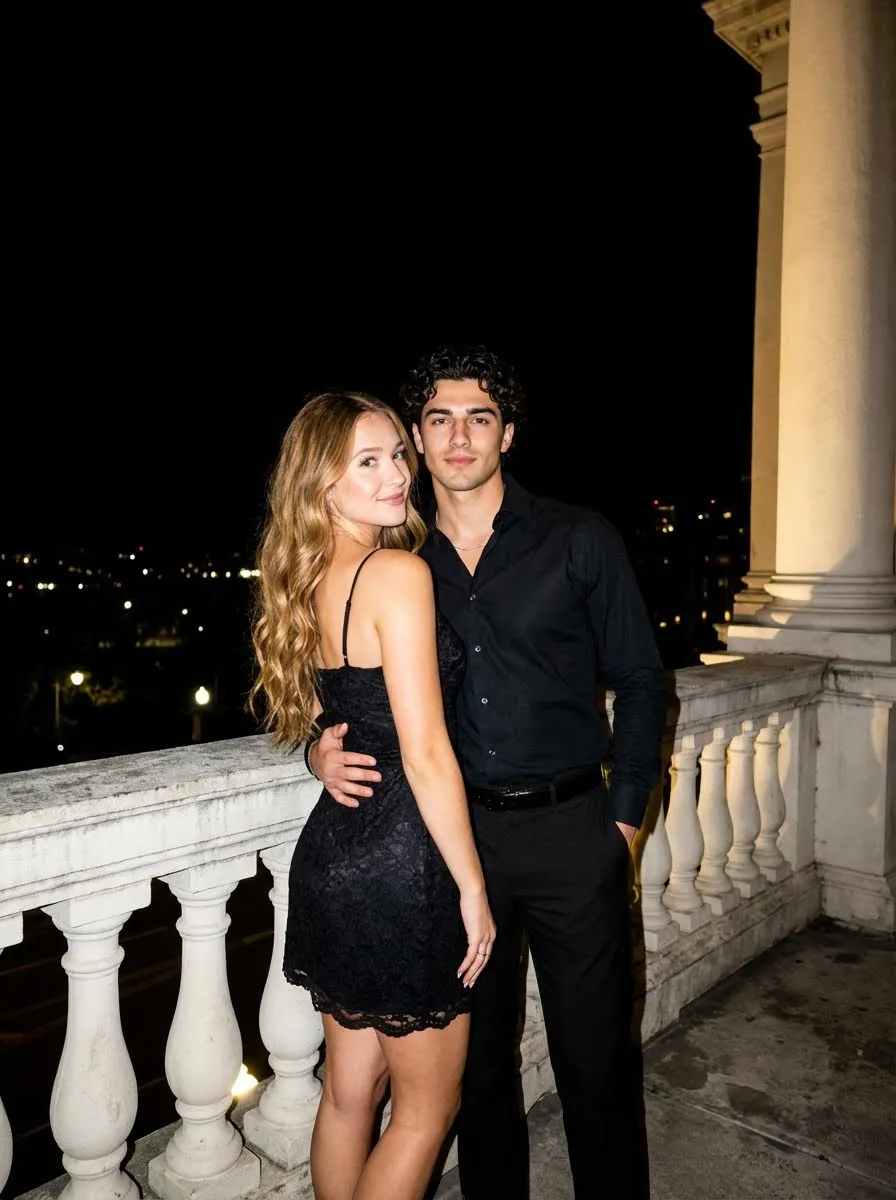
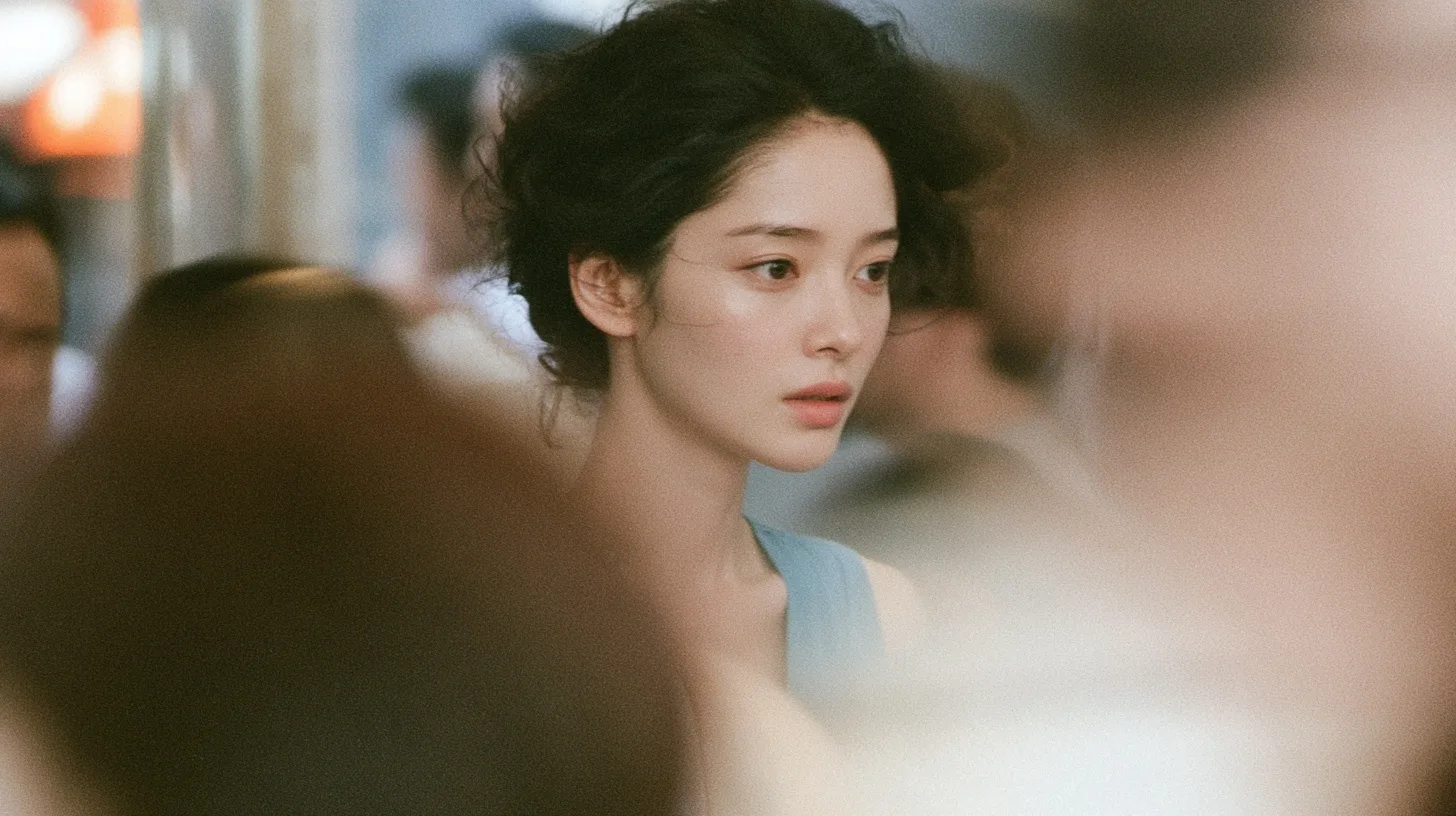
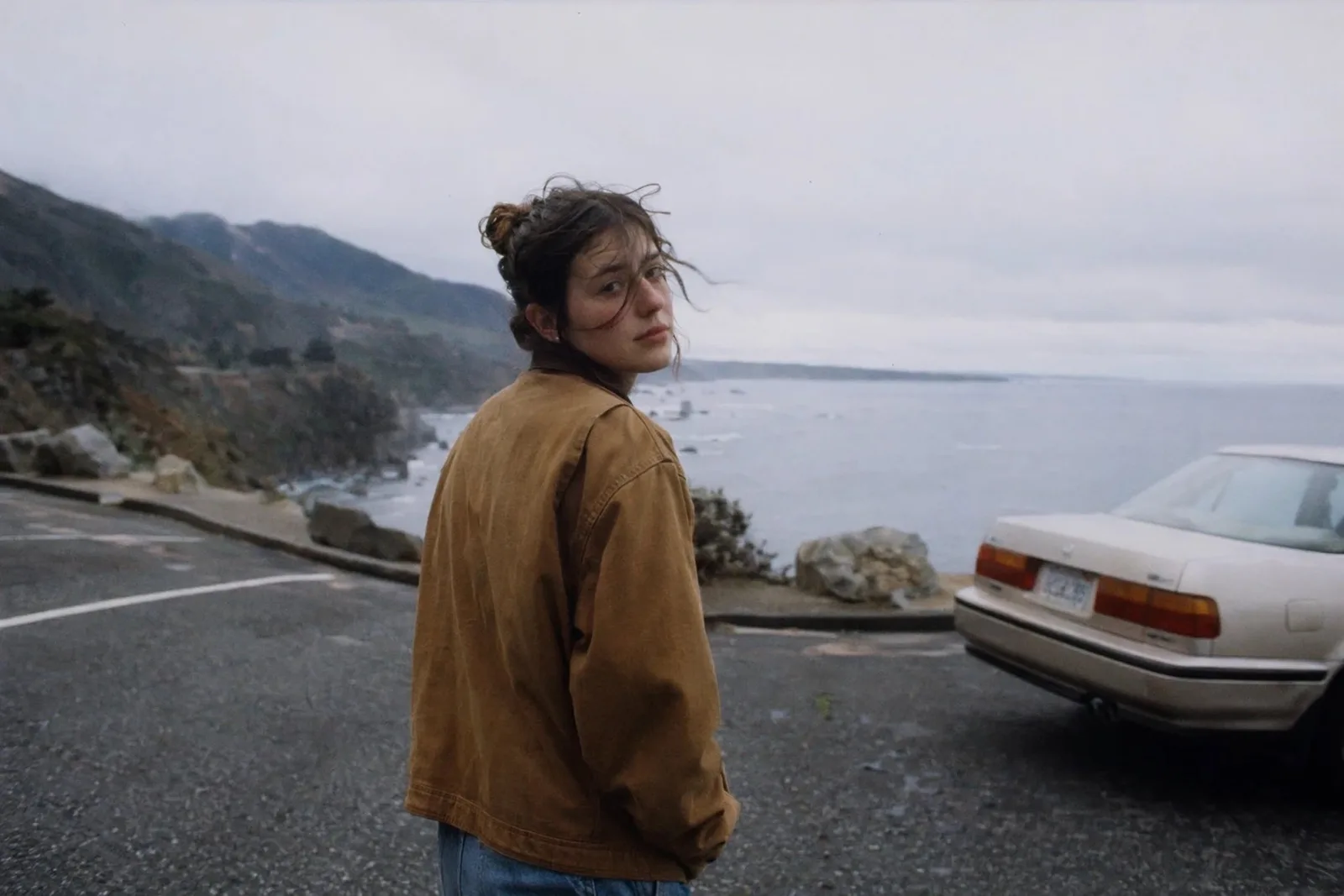
GPT Image 2.5 is OpenAI's current image generation and editing model, released on September 8, 2026. GPT Image 2.5 renders more natural lighting and richer texture, keeps the subjects of your reference photos recognizable, and changes only the element you asked it to change. Call GPT Image 2.5 through reAPI's shared image endpoint with the same key as every other model.
Unedited output from this model. Every clip plays exactly as the API returned it.

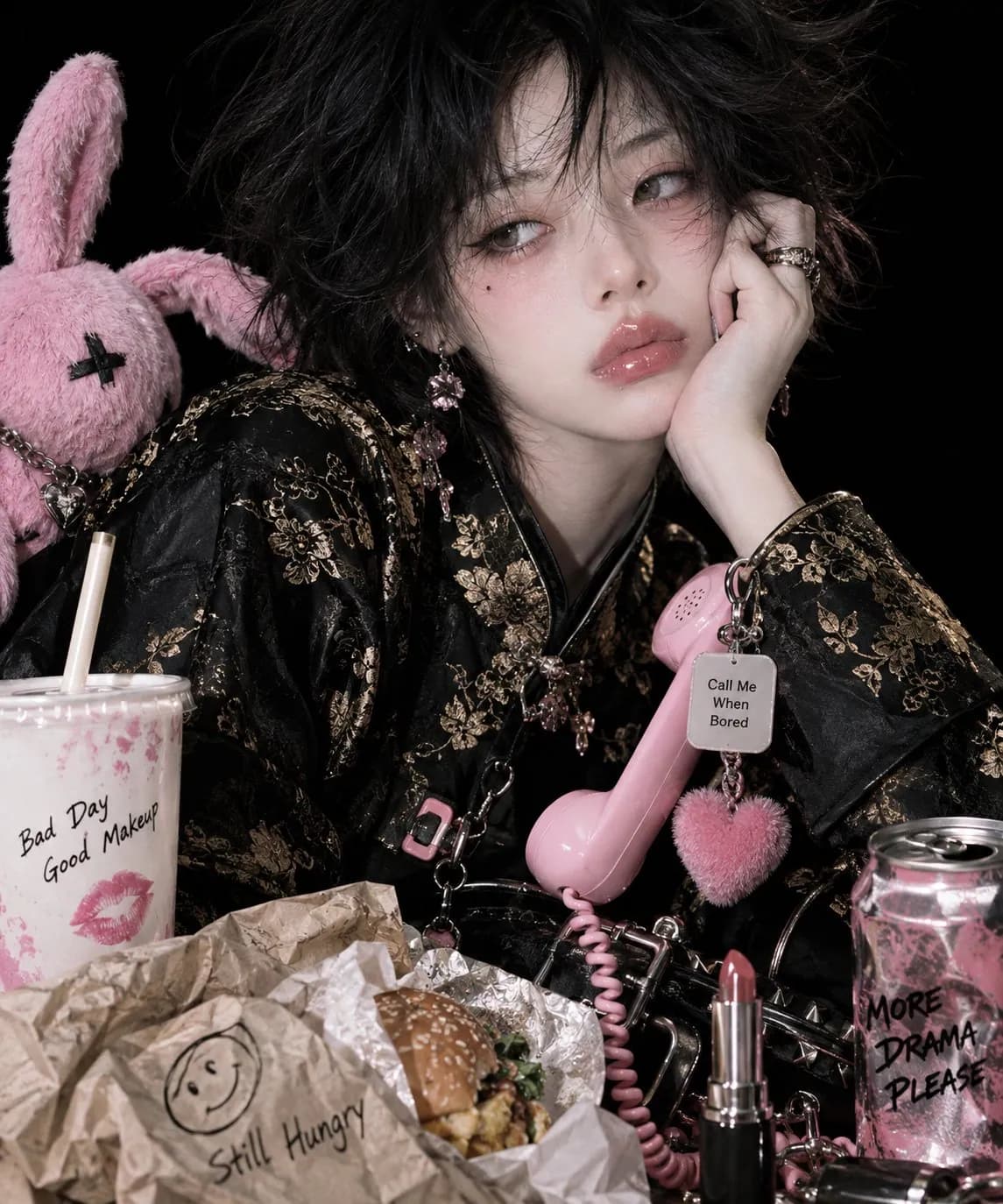
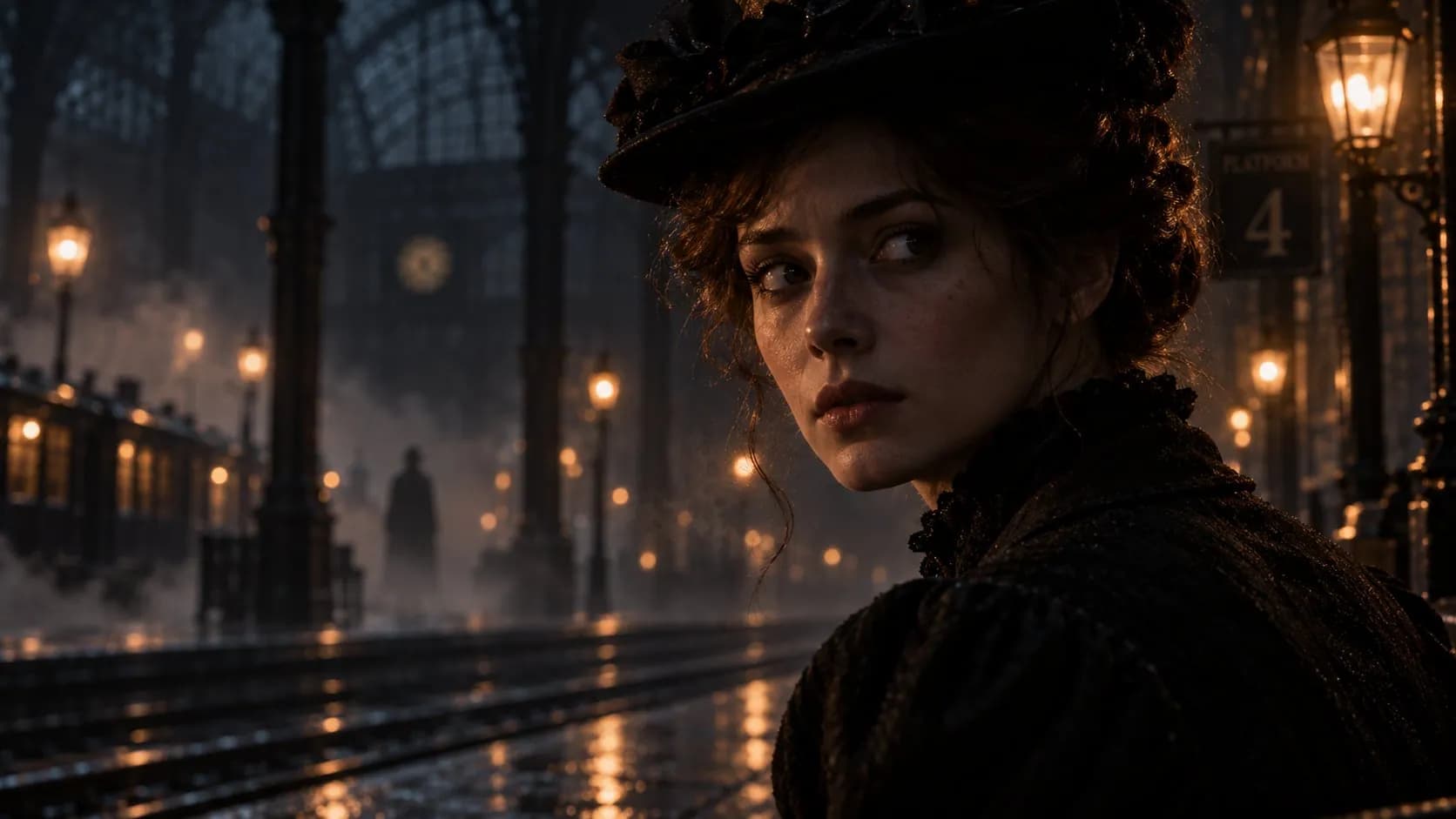
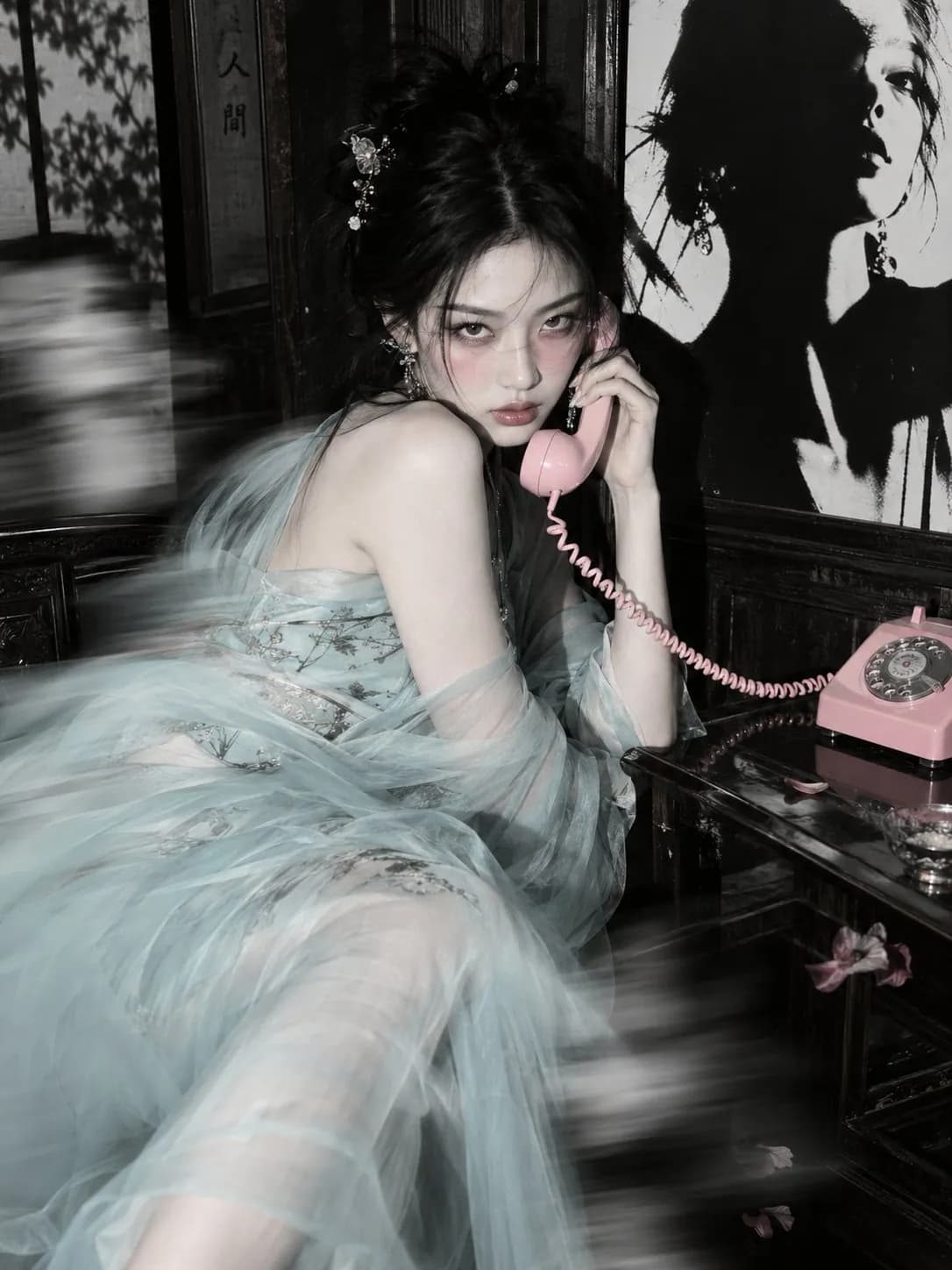
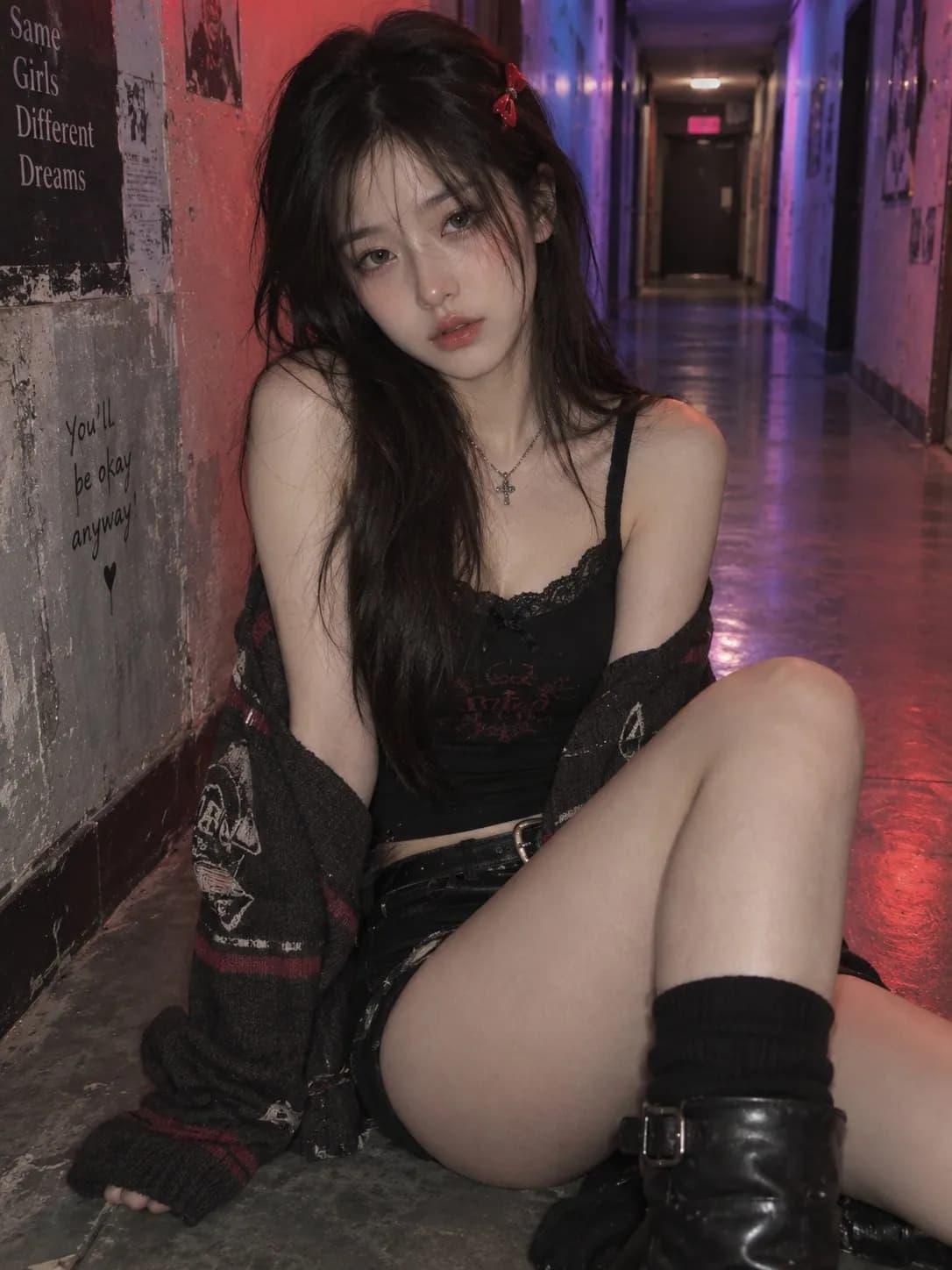
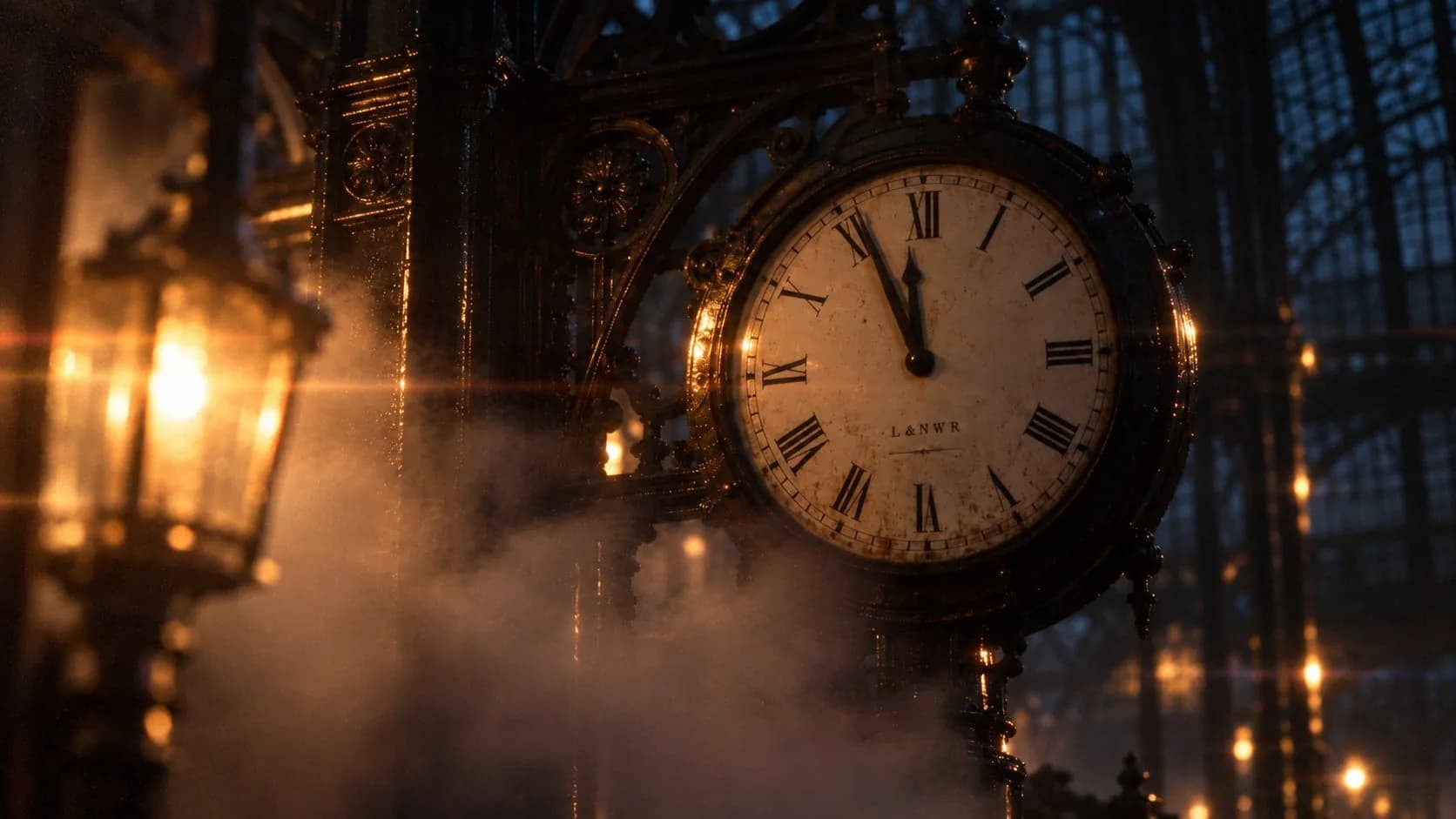
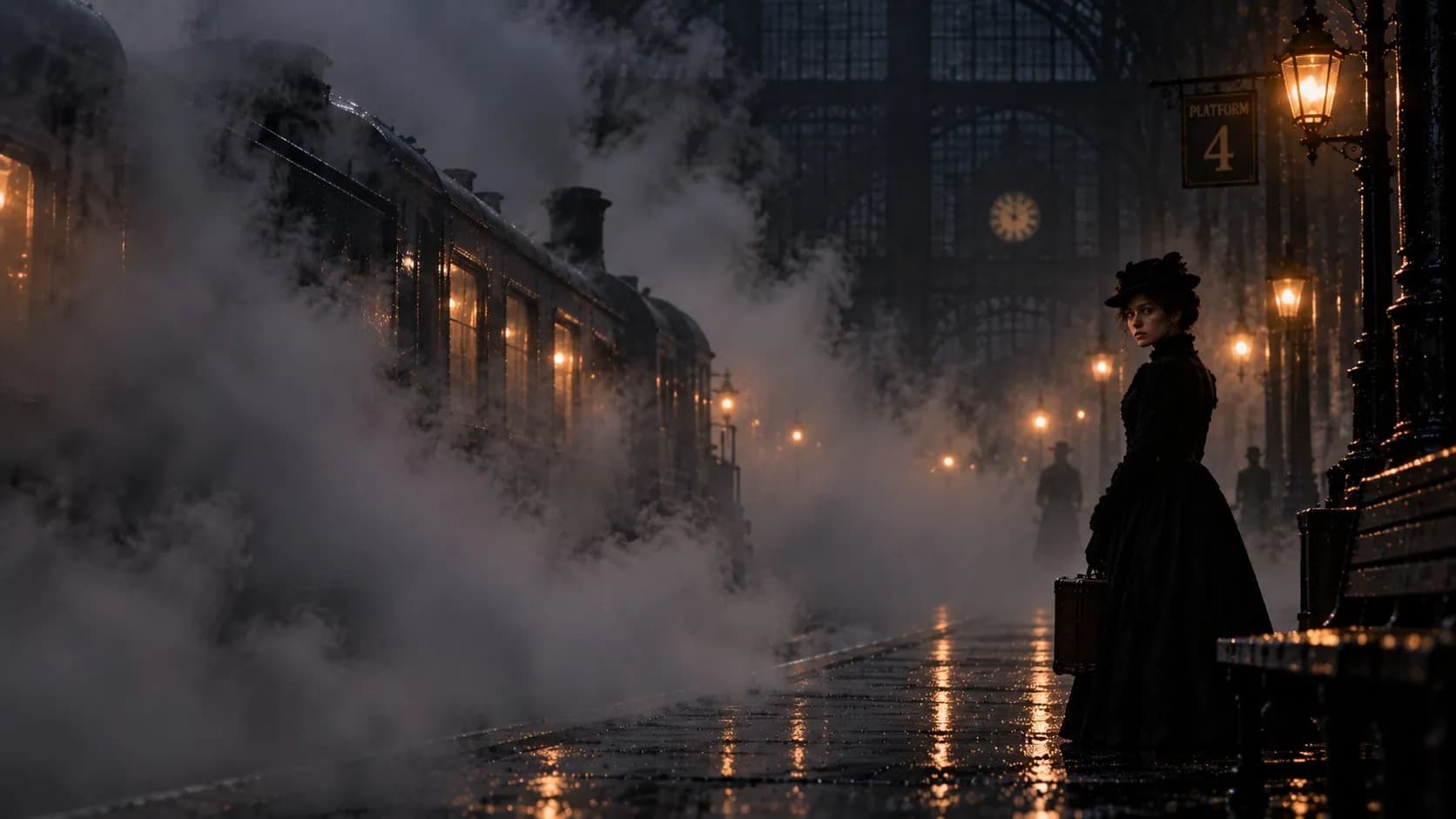
GPT Image 2.5 is the image model OpenAI released on September 8, 2026, alongside ChatGPT Images 2.5. Two GPT Image 2.5 ids ship: Flare, the default, which brings the quality and editing gains at roughly half the latency of the previous generation, and Sunburst, which trades generation time for tighter control across edits. Both take text and image input, both read the same parameters, and both meter on the same token rate card. What changed underneath is fidelity and control. GPT Image 2.5 produces more natural lighting and richer textures. GPT Image 2.5 preserves the subjects of reference photos more reliably. GPT Image 2.5 edits only the element you named and leaves the surrounding composition alone, then holds that consistency across a long chain of successive edits. It also handles more complex layouts, including transparent backgrounds, and adds two quality tiers above high. On reAPI you reach GPT Image 2.5 through the same image endpoint, the same key and the same task lifecycle as every other model in the catalog.
Mode is implicit: which media fields you send decides how the request runs.
promptA prompt alone. GPT Image 2.5 composes the frame from scratch.
prompt + image_urlsUp to 16 source images plus an instruction. Set input_fidelity to high when the source detail must survive.
prompt + image_urls + mask_urlA mask fences the edit to one region. Everything outside it comes back untouched.
Real-world workflows and production use cases you can build and ship with this model.
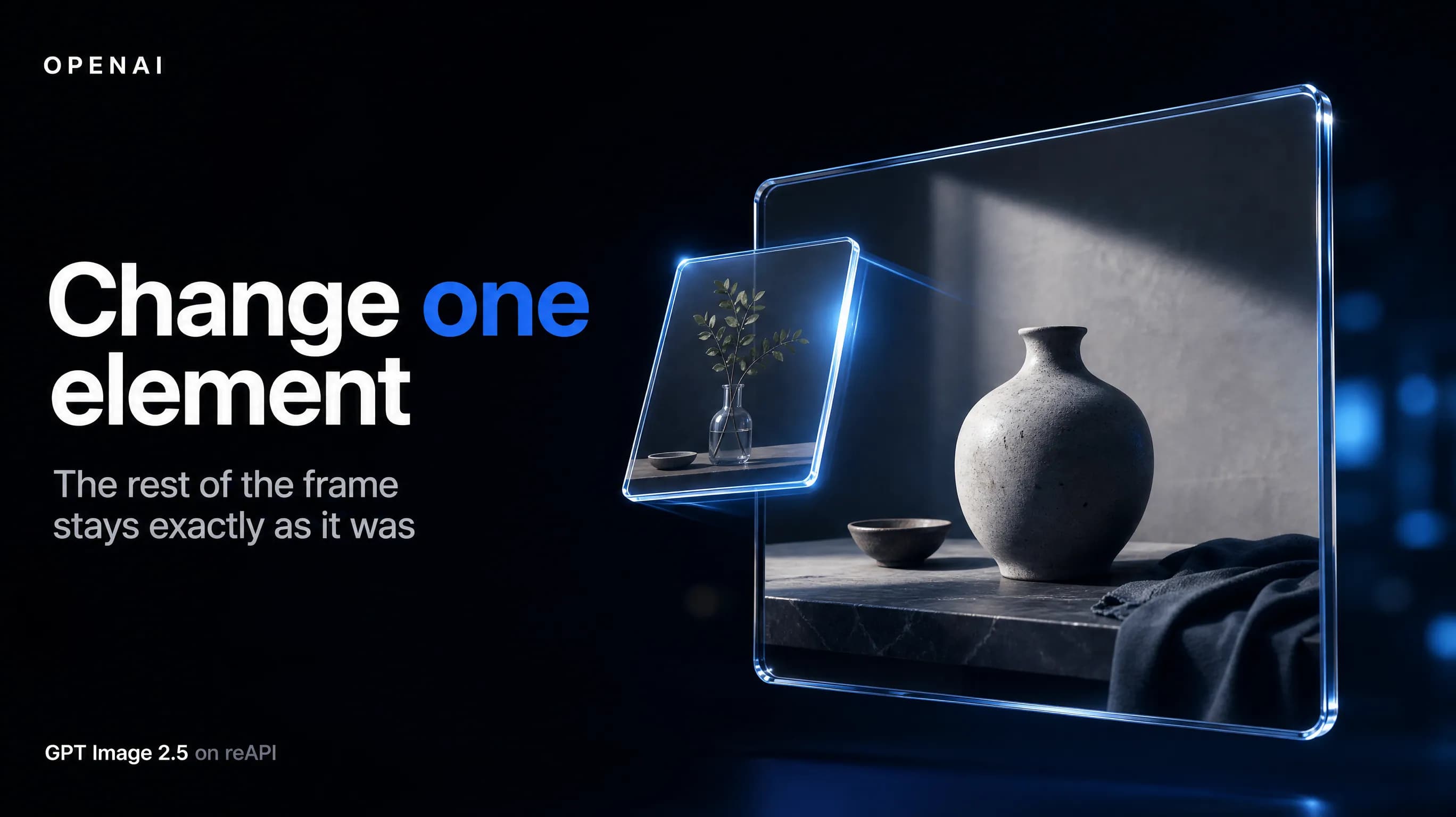
The expensive part of production imagery is everything you did not want to change. Point GPT Image 2.5 at a single product, background or line of copy and GPT Image 2.5 rewrites that region while the subject, composition and brand treatment around it stay put. Nothing is re-rolled, so an approved layout survives the edit.
Read the docs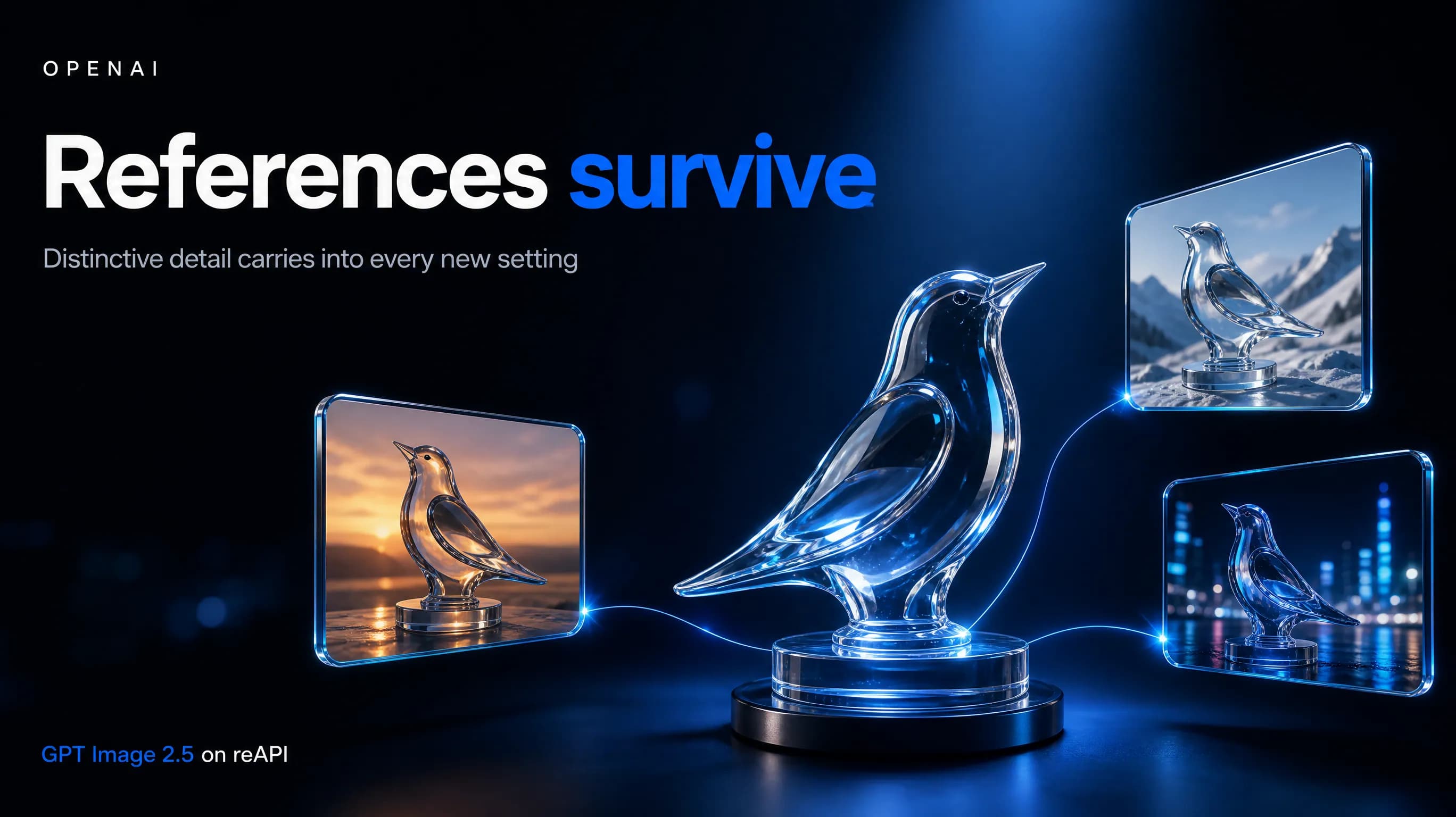
Reference-led work fails when the person or product in the source photo comes back subtly wrong. GPT Image 2.5 carries distinctive features, lighting and texture through into new settings, styles and compositions, and the GPT Image 2.5 input fidelity control lets you decide how tightly it holds to the source.
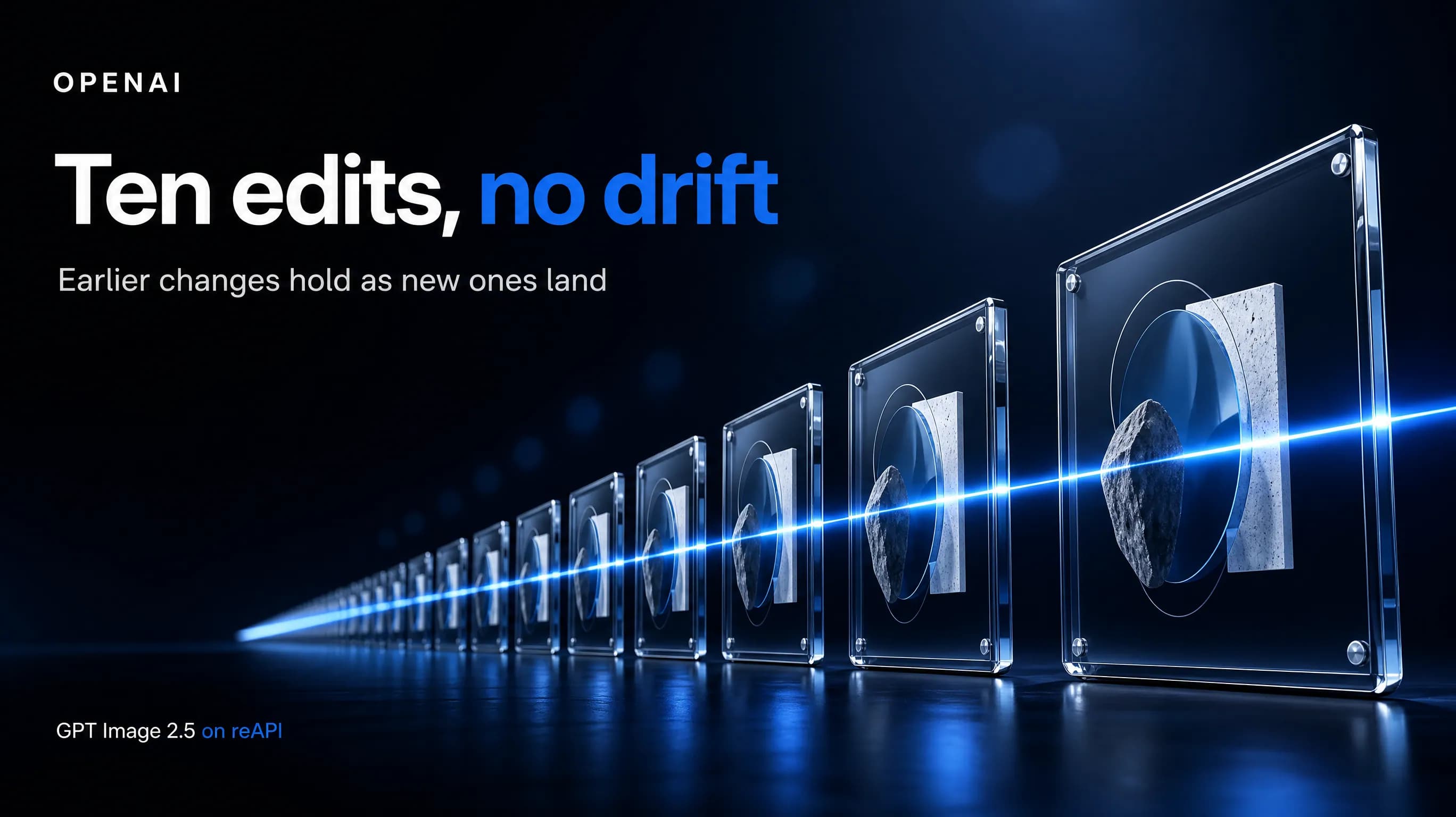
Ten edits into a conversation, earlier models start losing what they were told five turns ago. GPT Image 2.5 keeps earlier changes intact as new ones land, so a series of on-brand assets, UI concepts with a fixed hierarchy, or presentation visuals built to a defined structure stay coherent to the end.
GPT Image 2.5 is better at editing only what you asked for, even with complex subjects and busy backgrounds. That is the difference between an edit you can ship and one that sends you back to the original file.
Subjects from your reference photos come back recognizable — features, lighting and materials carried through rather than approximated. Set GPT Image 2.5 input fidelity to high when the source has to be honored exactly.
Flare for volume and speed, Sunburst when edit precision decides the outcome. Both GPT Image 2.5 tiers take the same parameters, so switching between them is a change of model id and nothing else.
GPT Image 2 is the generation GPT Image 2.5 replaces, and it is callable on reAPI today. Every comparison point below is one OpenAI states in its own GPT Image 2.5 documentation, measured against exactly that predecessor.
Comparison reflects publicly documented behavior at the time of writing, drawn from OpenAI's release announcement and model reference pages of September 8, 2026. Vendor capabilities change; check the linked documentation before relying on any single row.
Sign up at reAPI and create a key from the dashboard. One key reaches every model on the platform, GPT Image 2.5 included.
OpenPOST to /api/v1/images/generations with a model id, a prompt, and any of size, quality, background or n. The endpoint answers immediately with a task id — media generation is asynchronous across the whole platform.
OpenGET /api/v1/tasks/:id until status is completed, then read the image URLs from the response. Mirror them to your own storage if you need them long term, because generated links expire.
OpenCall the GPT Image 2.5 endpoint from your own backend when you are shipping a product or running batches. Hand it to an agent when you want results without writing integration code. Both use the same API key, the same balance, and the same task log.
Best for product backends, batch jobs, automated pipelines
Call the shared image endpoint directly. You own the parameters, the queue, the polling, and where the file lands.
Best for iterating inside Codex, Claude, or Gemini
Paste one instruction into your agent. It picks the parameters, submits the job, and tracks it to a terminal state.
curl -X POST https://reapi.ai/api/v1/images/generations \
  -H "Authorization: Bearer YOUR_API_KEY" \
  -H "Content-Type: application/json" \
  -d '{
    "model": "gpt-image-2.5-flare",
    "prompt": "An editorial poster for a ceramic kettle, soft window light",
    "size": "1536x1024",
    "quality": "high"
}'Rejected synchronously with the failing field named. Check enum values, ranges, and URL fields — nothing is charged.
401 means a missing or invalid Bearer key; 402 means the reserve exceeds your balance. Manage keys and credits in the console.
Reference material and outputs pass automated moderation. Rejected tasks fail with a clear error and a full refund.
A task that reaches a failed state is never charged — the reserve refunds automatically. Keep the task id and retry when ready.
Common questions about this model.
Try it in the playground or grab an API key to integrate now.