Alibaba
Qwen Image 2
From $0.031 per image
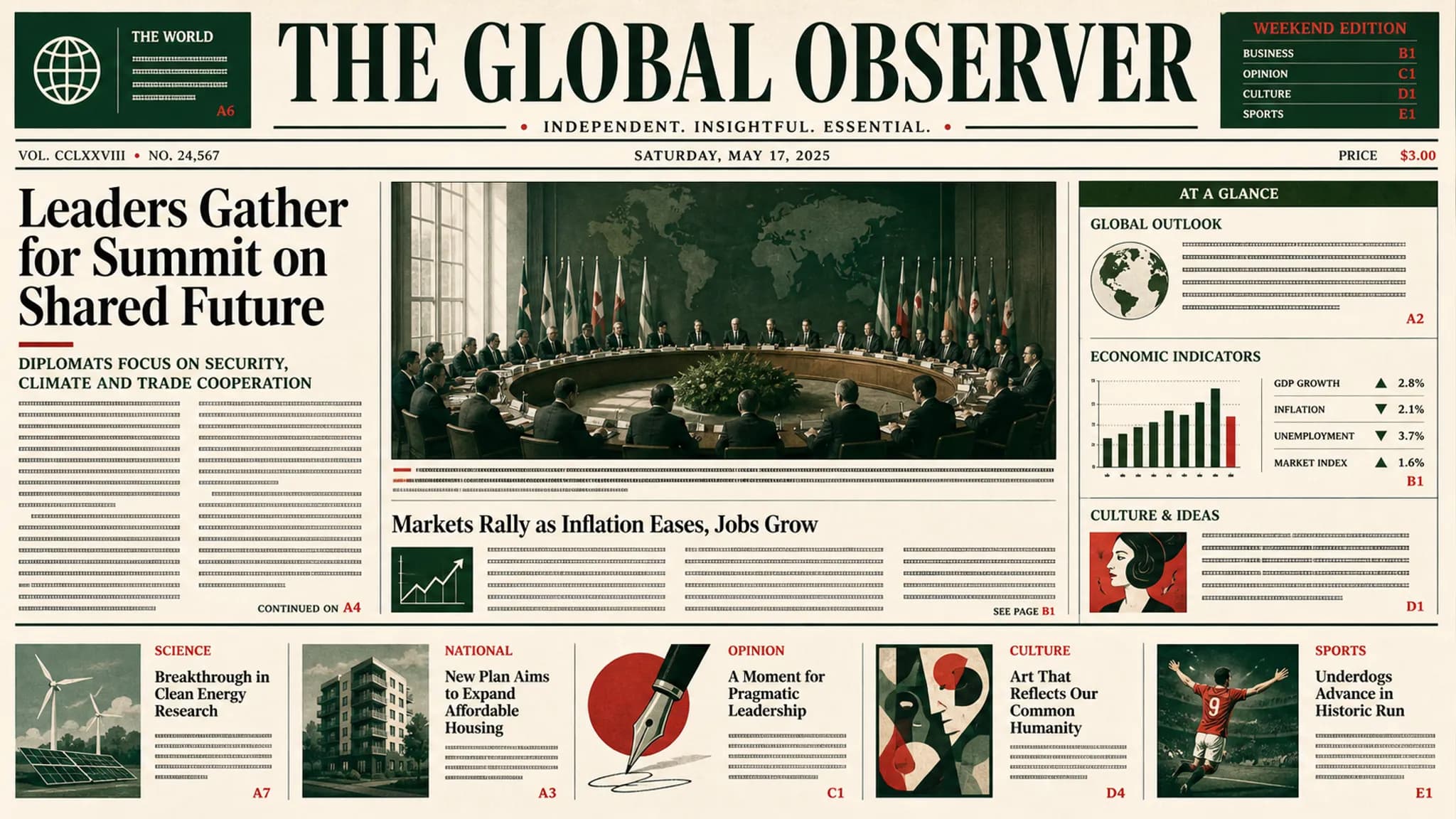
Qwen Image 3.0 is Alibaba's third-generation image model, built around one idea: images you can actually use. Feed it prompts up to 4.5k tokens and Qwen Image 3.0 lays out newspapers, storyboards, exam papers and infographic grids in a single pass, with text that stays legible down to 10px.
Qwen Image 3.0 accepts up to roughly 4.5k tokens, so long layout briefs — column by column, panel by panel — are worth writing out in full.
Adding references switches Qwen Image 3.0 into image-to-image mode. Public http(s) URLs only — reference images do not add to the bill.
Each image Qwen Image 3.0 delivers is billed separately, so a run of six costs six images.
The picker offers the documented ratios. Direct API callers can also send explicit pixels such as 1600x900, with each edge between 512 and 2048.
1K and 2K cost the same on the standard tier. On Pro, 2K costs twice 1K — see the pricing table.
Useful for stripping watermarks, stray text or unwanted objects.
Off by default on Qwen Image 3.0 — the 2.0 series had it on. Turn it on when your prompt is a one-liner rather than a full layout brief.
Requires prompt rewriting to be on. "direct" works for both text-to-image and editing; "agent" rewrites harder and is text-to-image only.
Content-filter policy for this model disables browser generation — call the API with your key to run it.
Try one of these prompts
Qwen Image 3.0 is the third generation of Alibaba's foundational image model, released in July 2026. Where the first generation chased precision and the second added variety and beauty, Qwen Image 3.0 is organised around usefulness: rich content from prompts up to 4.5k tokens, authentic detail down to 10px type and photographic skin texture, and enough world knowledge to render 12 languages and real interface layouts. It is an API-only release — no open weights, no published benchmarks — so the way to evaluate Qwen Image 3.0 is to run your own layout prompt through it.

Real-world workflows and production use cases you can build and ship with this model.

Most image models draw a picture and fake the text on top of it. Qwen Image 3.0 composes the page instead: a three-column newspaper front, a storyboard sheet, an exam paper, a 3x3 infographic grid, even picture-in-picture-in-picture interface mockups. Because Qwen Image 3.0 reads prompts up to 4.5k tokens, you can specify each column, panel and caption in the same request rather than stitching several generations together afterwards.
Try a layout prompt

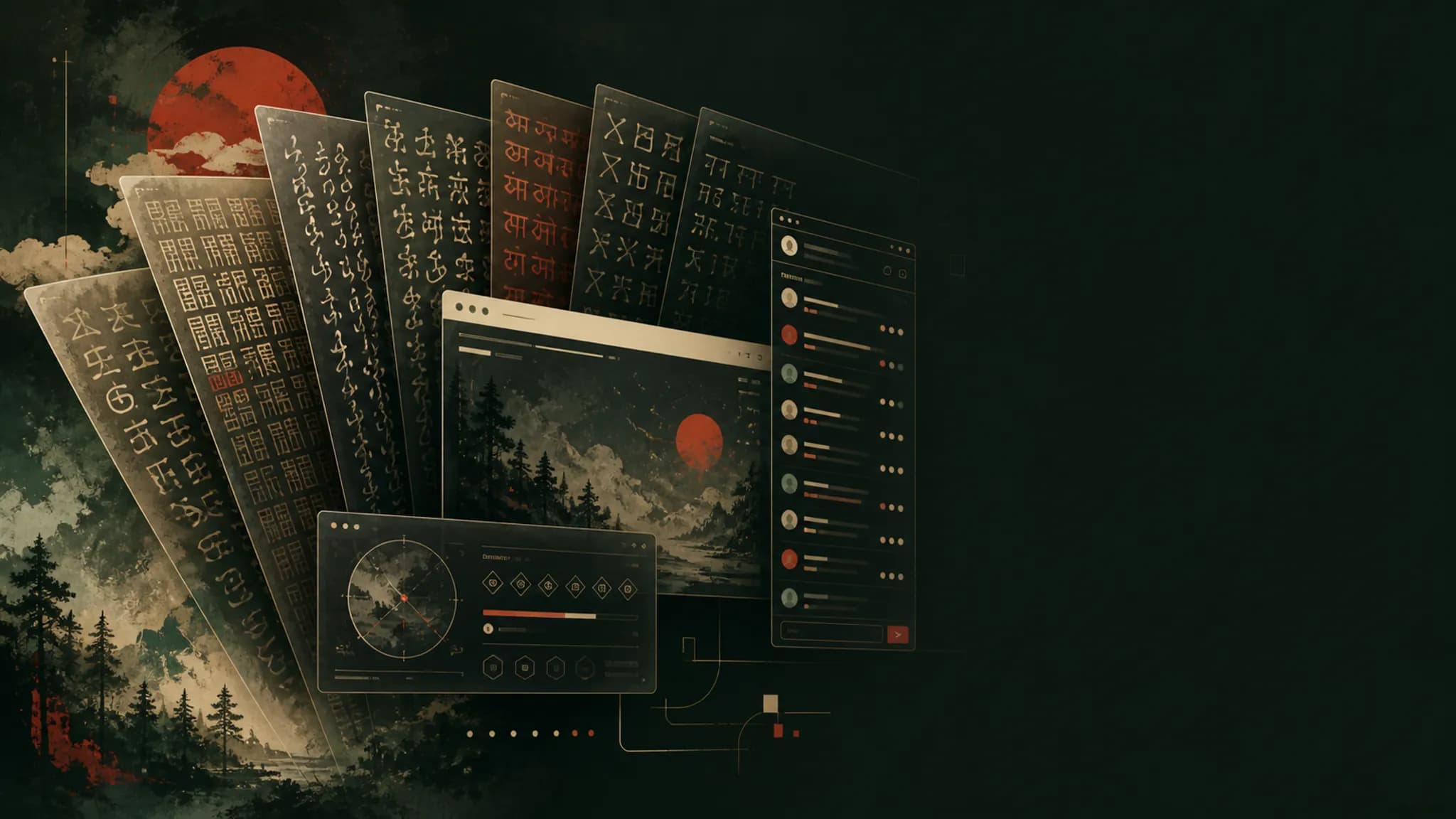
The headline claim for Qwen Image 3.0 is legibility: text stays readable down to 10px, and full LaTeX paper pages render as pages rather than as texture. The same detail budget goes into physical surfaces — pores, hair strands and near-photographic skin. For product shots, packaging mockups and anything with a price list or a label, that is the difference between an image you ship and an image you redraw by hand.

Qwen Image 3.0 renders 12 languages natively instead of treating non-Latin script as decoration, and covers more than 100 art styles. It also draws believable interfaces — web pages, game HUDs, livestream overlays — which is what makes Qwen Image 3.0 useful for localisation work and UI concepting, not just illustration. Send a reference image or three and it edits in the same vocabulary.
Credit-based — 1 credit = $0.001 USD. Pay only for completed generations.
One sample at the cheapest tier (1 image).
| Model | Category | Price |
|---|---|---|
| Standard — any resolution | Per image | $0.024 24 credits · 1 image |
| Pro — 1K | Per image | $0.032 32 credits · 1 image |
| Pro — 2K | Per image | $0.064 64 credits · 1 image |
Alibaba's framing for Qwen Image 3.0 is a single word — Real. In practice that means the text in the image is meant to be read, not implied: down to 10px, across 12 languages, in full LaTeX pages. If your output has to carry words, Qwen Image 3.0 is a different class of tool from a model that renders convincing gibberish.
A 4.5k-token prompt budget means the layout brief and the image request are the same document. You describe the masthead, the columns, the caption and the sidebar, and Qwen Image 3.0 composes all of it at once — no manual assembly pass, no second model to place the type.
Text-to-image and image-to-image editing share one request shape on Qwen Image 3.0: add reference images and it edits, leave them out and it generates. Standard and Pro sit behind the same parameters, so moving between them is a model id change and nothing else.
Both Qwen Image 3.0 and Ideogram 3.0 are known for putting readable words inside pictures, which makes them the natural comparison for anyone generating posters, menus or editorial pages. They diverge on how much brief you can hand over in one request, how editing works, and how much the vendor has published about the model itself.
Comparison reflects publicly documented behaviour at the time of writing and describes capabilities, not measured head-to-head scores — no benchmark numbers exist for Qwen Image 3.0. Verify against your own prompts before committing to either model.
Create a key from your reAPI dashboard. New accounts start with signup credits, which is enough to see what Qwen Image 3.0 does with a real layout prompt before you top up.
OpenUse the playground on this page to settle the aspect ratio, resolution tier and prompt, then copy the request body. The form mirrors the Qwen Image 3.0 request body one to one.
OpenSend the body to the images endpoint with your key, take the task id from the response, and poll until Qwen Image 3.0 returns the image URLs. Failed generations are refunded automatically.
Opencurl -X POST https://reapi.ai/api/v1/images/generations \
-H "Authorization: Bearer YOUR_API_KEY" \
-H "Content-Type: application/json" \
-d '{
"model": "qwen-image-3.0-pro",
"prompt": "A cafe menu board with three columns and hand-lettered headings",
"size": "3:4",
"resolution": "2K"
}'Rejected synchronously with the failing field named. Check enum values, ranges, and URL fields — nothing is charged.
401 means a missing or invalid Bearer key; 402 means the reserve exceeds your balance. Manage keys and credits in the console.
Reference material and outputs pass automated moderation. Rejected tasks fail with a clear error and a full refund.
A task that reaches a failed state is never charged — the reserve refunds automatically. Keep the task id and retry when ready.
Common questions about this model.
Try it in the playground or grab an API key to integrate now.