· reAPI Team
Character reference sheet: one sheet vs separate views
Test a character reference sheet against separate views using the same image. Compare prompts, clothing drift, output sizes and the recorded generation cost.
A character reference sheet can get the views right and still change the clothes. We tested two ways of making front, profile and back references on reAPI: one three-panel image, and three independent image requests. Across two repeats, both produced the requested views. In the second separately generated front view, five visible shirt buttons became three. The two independent back views also disagreed about the shirt's construction.[1]
That is a useful, limited answer to a real task. One creator asked how to keep anatomy and realistic details when making a sheet from one image; another wanted front, back and side references for fictional story characters.[2][3] This guide supplies the input, exact prompts, all eight outputs and a review procedure. It does not establish that either generation method always preserves identity better.
The cover is a conceptual illustration. The images below are actual test inputs and outputs.
TL;DR
- Both methods followed the basic layout in this test. Two sheets contained three views each; six independent requests each returned one requested view. Feet remained visible, and the profile noses pointed toward the image's left edge.[1]
- Inspect small details separately from overall resemblance. The second independent front image changed the button count. Matching hair and clothing color did not establish exact wardrobe continuity.[1]
- A generated back view is a proposal. We supplied only a front image, so there was no reference truth for back seams, pleats or hidden garment details.[1]
- Keep the test limits visible. There was one fictional adult, two repeats, no controlled seed and a different canvas size for each method. The larger sheet size also falls in the documentation's experimental resolution range.[1][4]
- Count every completed request. The eight image jobs settled at 160 credits in total on October 13, 2026. This is a dated experiment charge, not a current price offer.[1]
What we held constant in the character reference sheet test
The input was a previously generated fictional adult woman, standing against a beige background. It shows her face, shoulder-length dark curls, ivory overshirt, white T-shirt, cream trousers and white shoes. No real person's photograph was used. The original contains one front view; it cannot tell us the exact shape of an unseen rear garment seam.
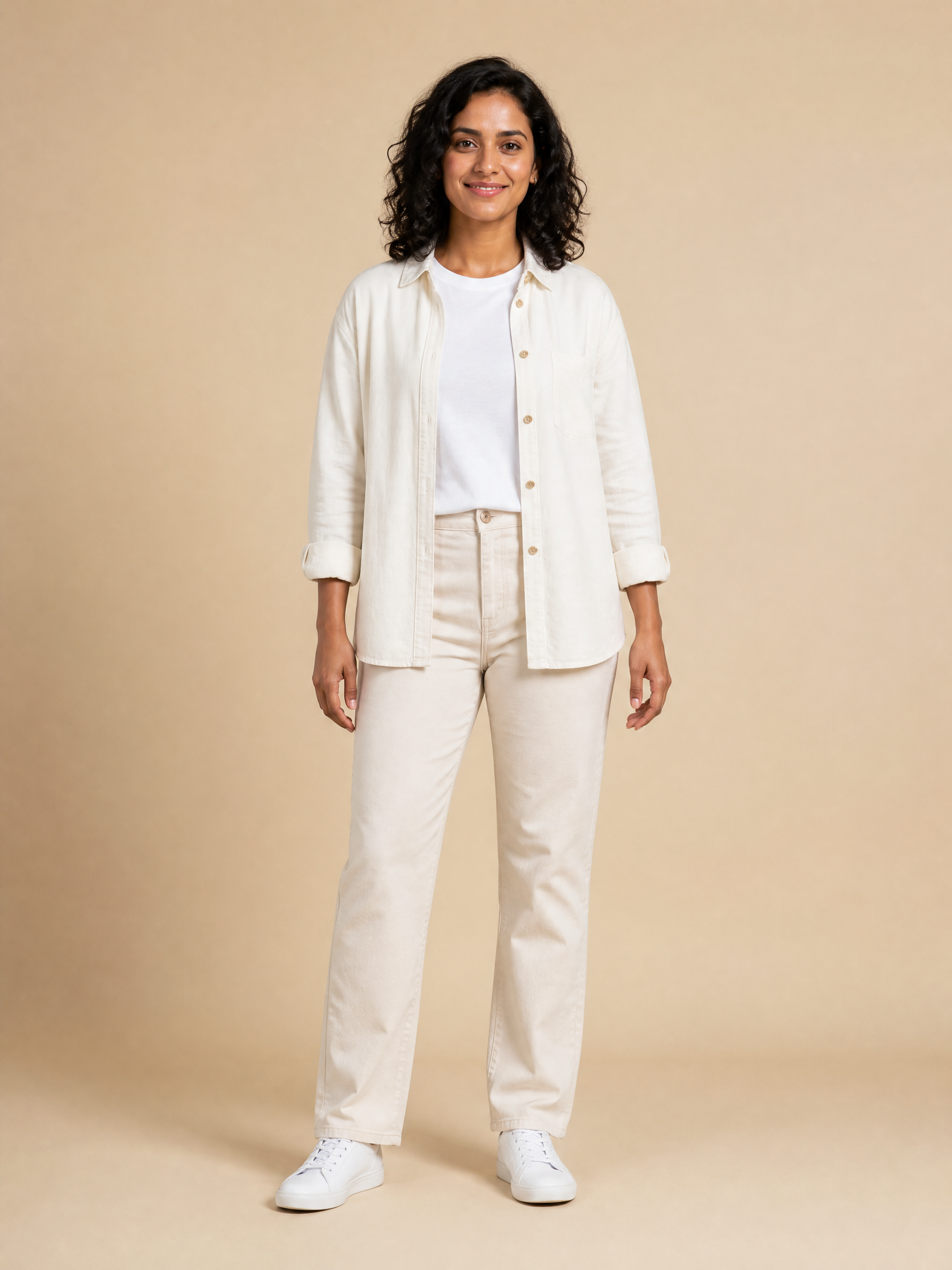
Every request used gpt-image-2.5-flare, quality: "high", output_format: "png", n: 1 and the same image_urls entry. Every independent view referenced this original, not a generated intermediate. We repeated the complete pair of methods twice and kept every result.[1]
| Condition | Requests per repeat | Requested canvas | Verified output canvas |
|---|---|---|---|
| One character reference sheet with three horizontal panels | 1 | 3072×1536 | 3072×1536 in both repeats |
| Separate front, profile and back views | 3 | 1024×1536 each | 1024×1536 for all six images |
Three equal panels in the wide canvas nominally allocate 1024×1536 pixels to each view. That was the design rationale, not proof that the model gives each subject identical detail. The white panel dividers and framing also occupy space. We checked the actual image dimensions rather than assuming the requested values took effect.[1]
The comparison has a meaningful confound: the documentation marks resolutions above 2560×1440 experimental, and only the whole-sheet condition crosses that threshold. There is no seed control in this experiment, no second character and no blinded identity assessment. These samples support observations about these outputs, not a causal ranking of the two workflows.[4]
Copy the preservation prompt, then specify the view
Use this shared opening exactly as recorded for the example character. Adapt the appearance description when using your own reference; keeping the wrong wardrobe words would ask for the wrong result.
Use image 1 as the sole identity and clothing reference for the same fictional adult woman. Preserve her facial geometry, skin tone, shoulder-length loose dark curls, hair part, ivory overshirt over a white crew-neck T-shirt, cream straight trousers, white low shoes, and the original shirt pocket and button placement. Neutral standing pose with arms relaxed, full body from head to shoes visible with margins. Plain warm beige studio background, soft even light, natural proportions, photorealistic. Keep the same clothing and body proportions. No text, labels, props or extra people.For the whole character reference sheet, append:
Create ONE image containing exactly three equally sized panels arranged horizontally: front view facing the camera; true left profile with her nose pointing toward the left edge of the image; rear view facing directly away. Each panel contains this same one woman once, at matching height and scale. No additional portraits, expressions or detail panels.For the three independent requests, append one of these endings to the same shared opening:
| View | Exact ending |
|---|---|
| Front | Create ONE image showing exactly one front view facing directly toward the camera. Exactly one viewpoint and one woman. No collage or additional panels. |
| Profile | Create ONE image showing exactly one true left profile, her nose pointing toward the left edge of the image. Exactly one viewpoint and one woman. No collage or additional panels. |
| Back | Create ONE image showing exactly one rear view facing directly away from the camera. Exactly one viewpoint and one woman. No collage or additional panels. |
The observable instruction is nose pointing toward the image's left edge. It removes a screen-direction ambiguity without claiming to define the character's anatomical left side. If a story depends on a mark on a specific cheek or sleeve, explicitly identify the character's side and inspect that feature; this experiment did not test asymmetric body markings.
Submit prompt plus image_urls to the documented image endpoint, then poll the returned task ID. The complete experiment record contains all eight exact request bodies and terminal responses. The GPT Image 2.5 documentation explains authentication, supported fields and polling. A completed status means an image was delivered; it does not certify the requested visual details.[1][4]
The outputs kept the views but changed small details
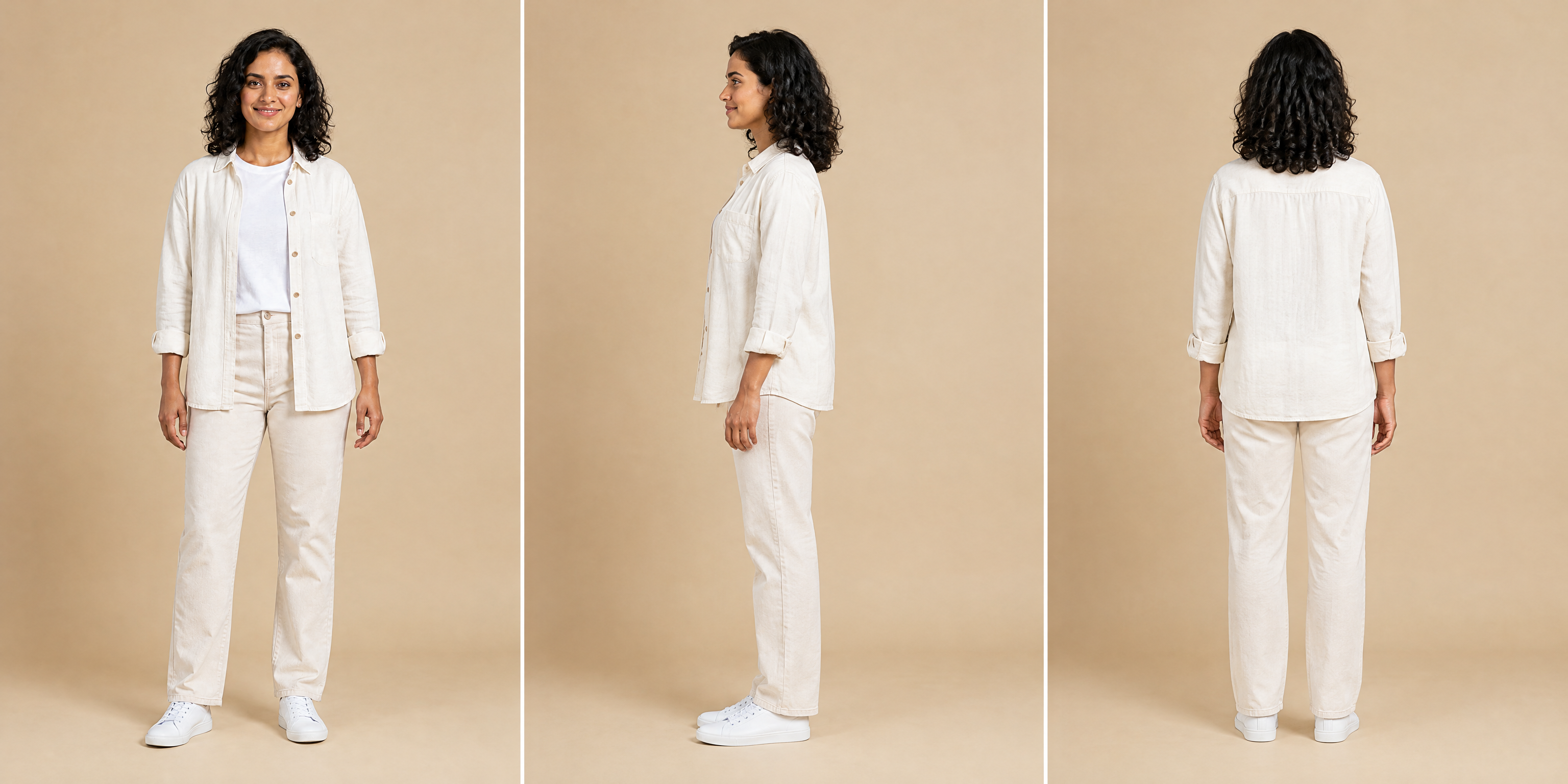
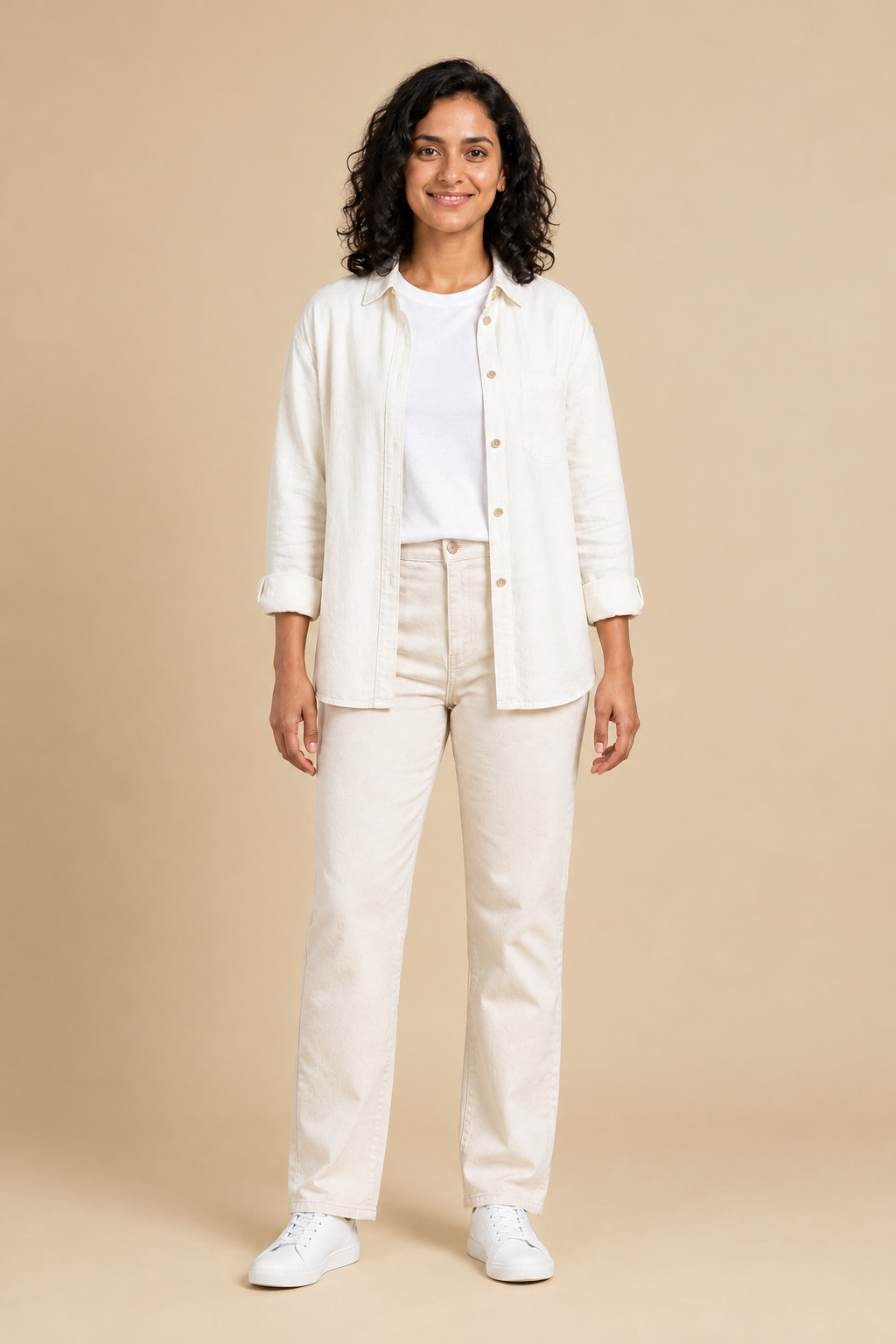
These are all results from the two repeats, with no selection of a best take and no retouching. Review was a visual comparison of the static images, an automated visual review, not a biometric similarity score.
Repeat one
Repeat two
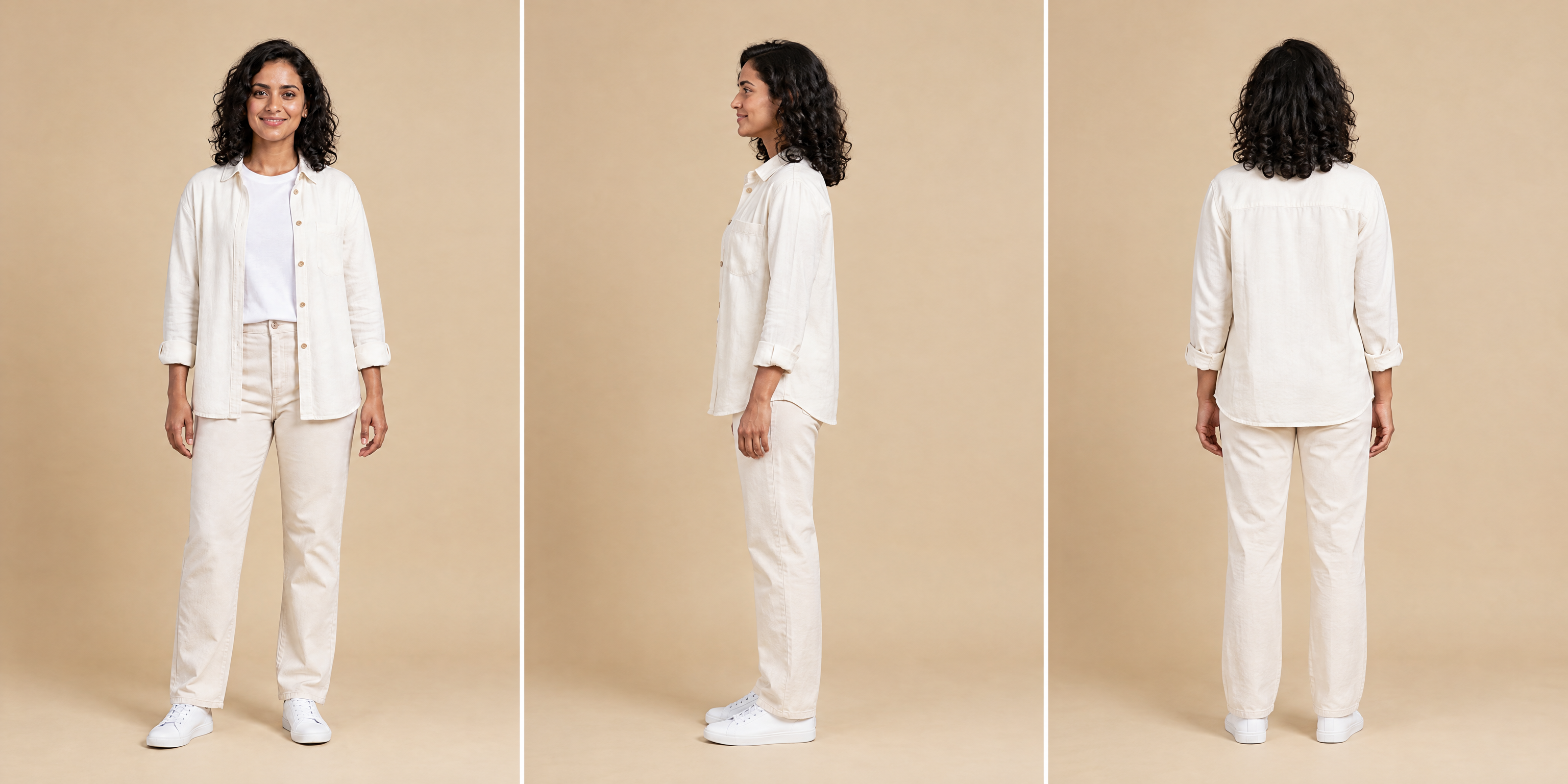
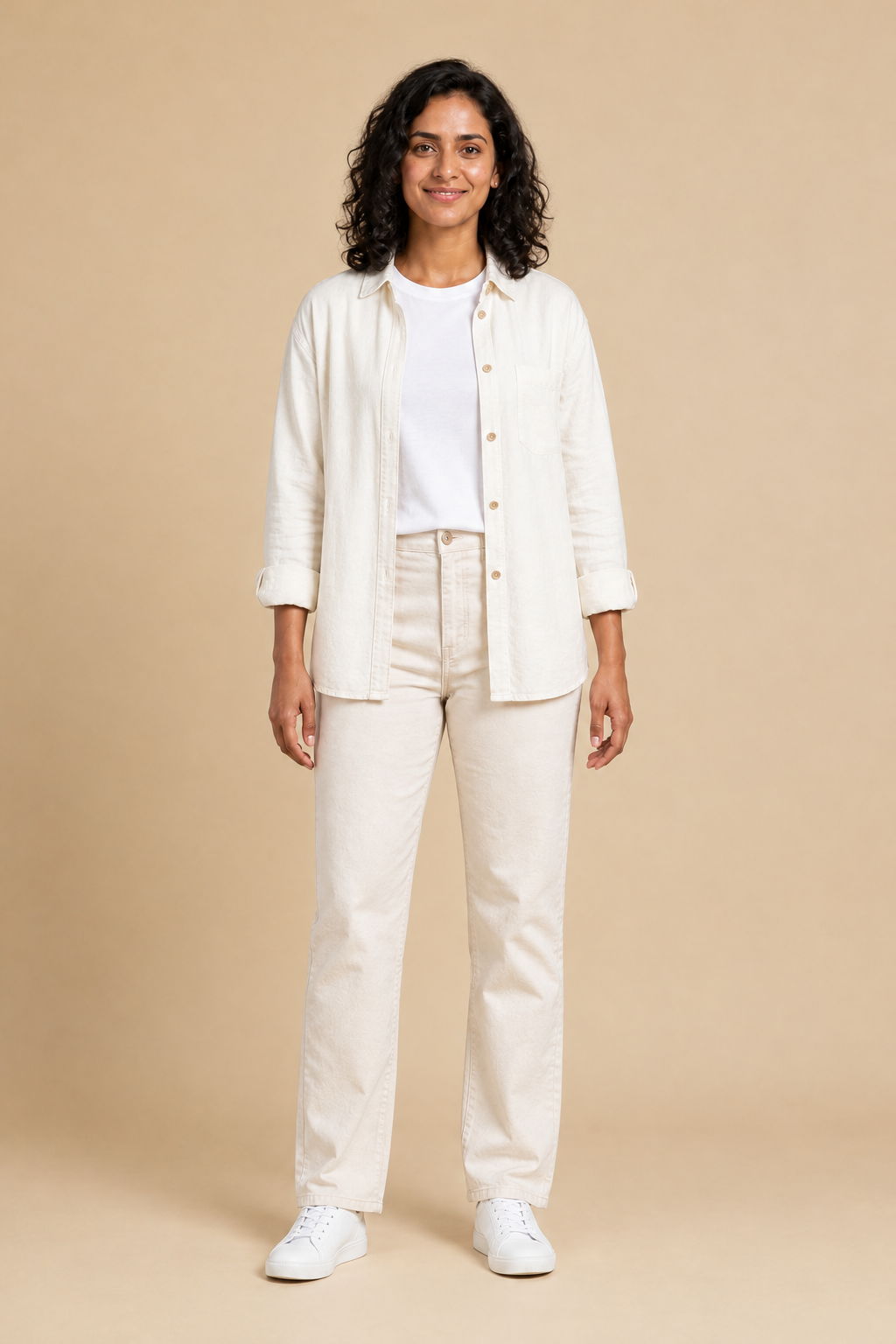
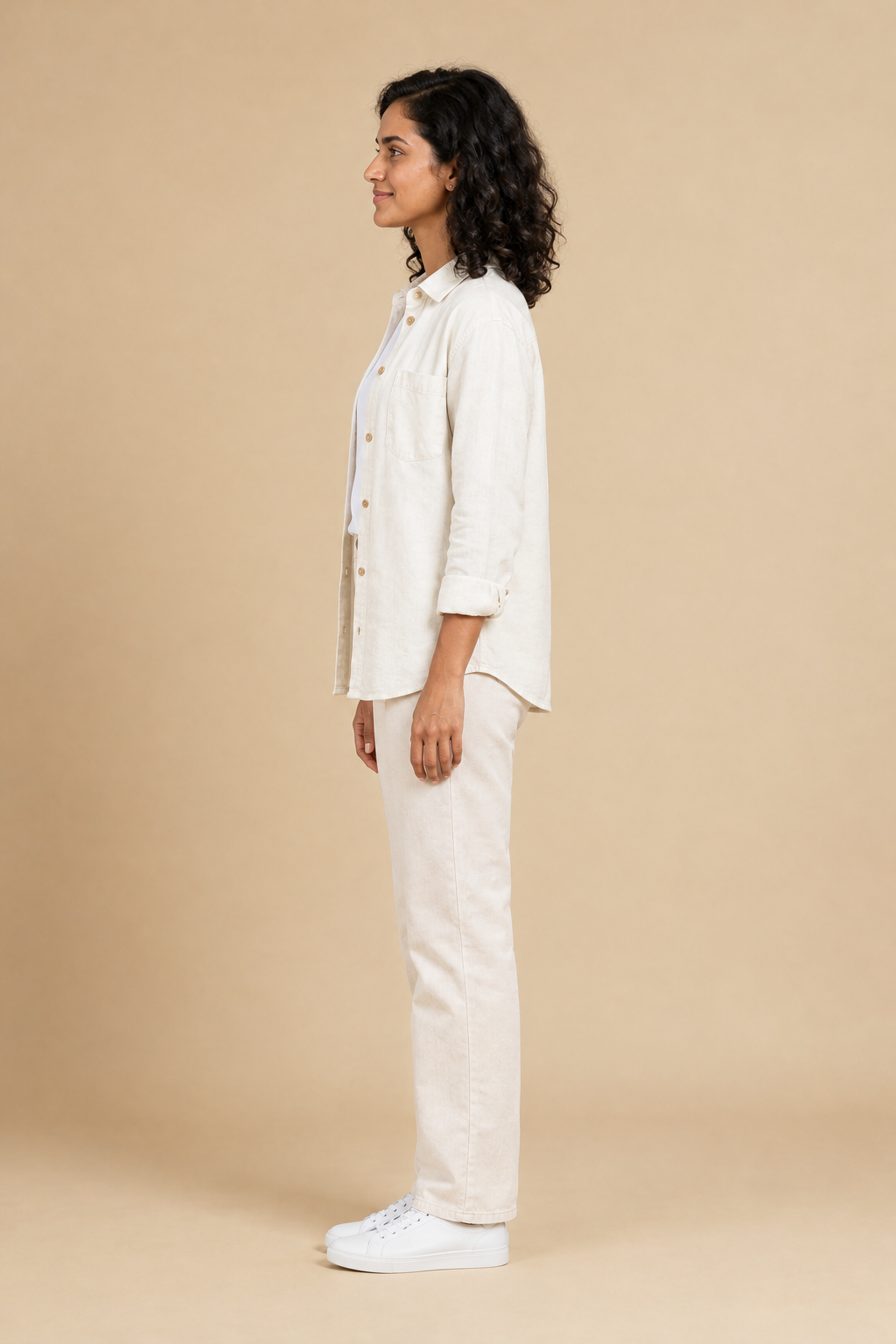
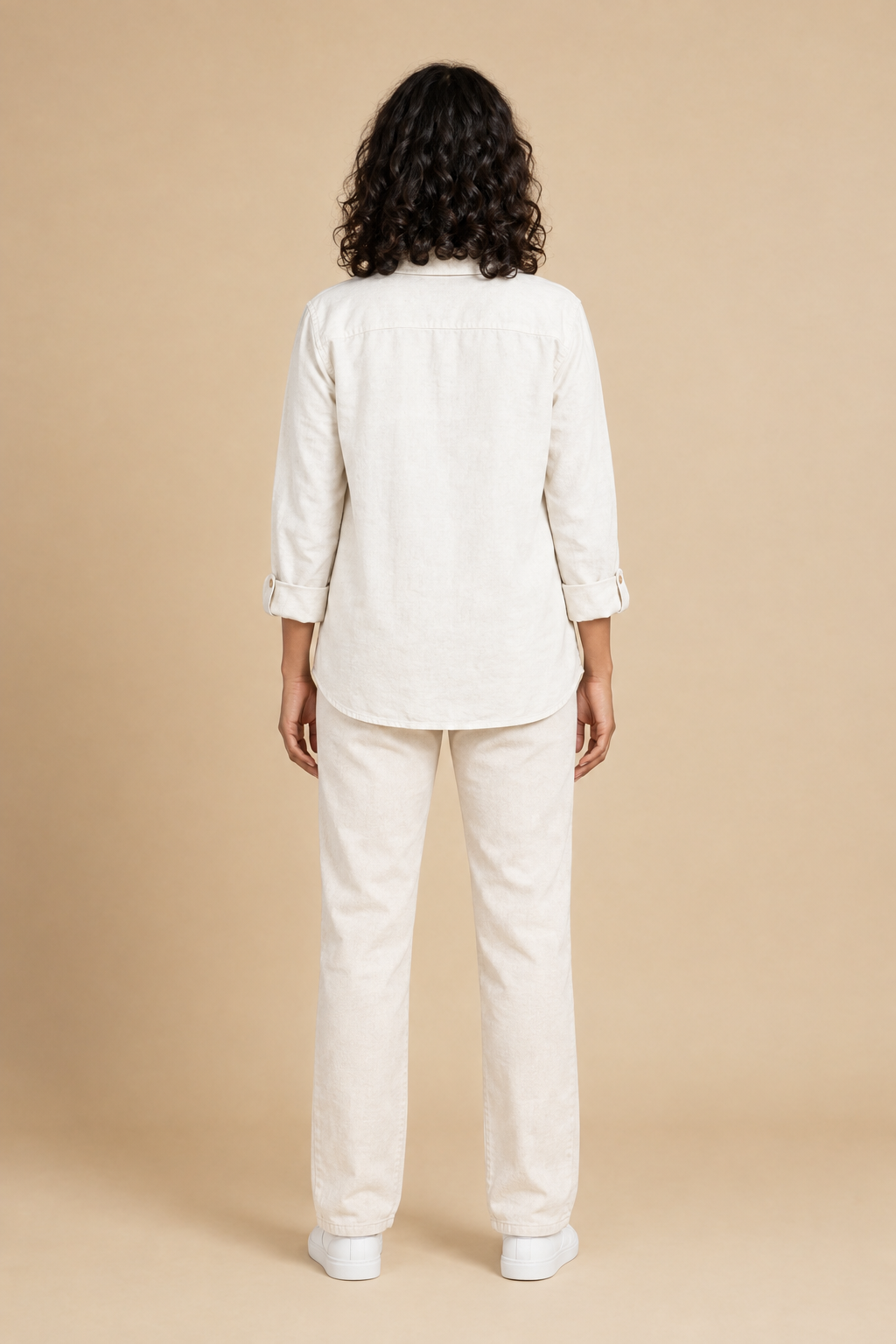
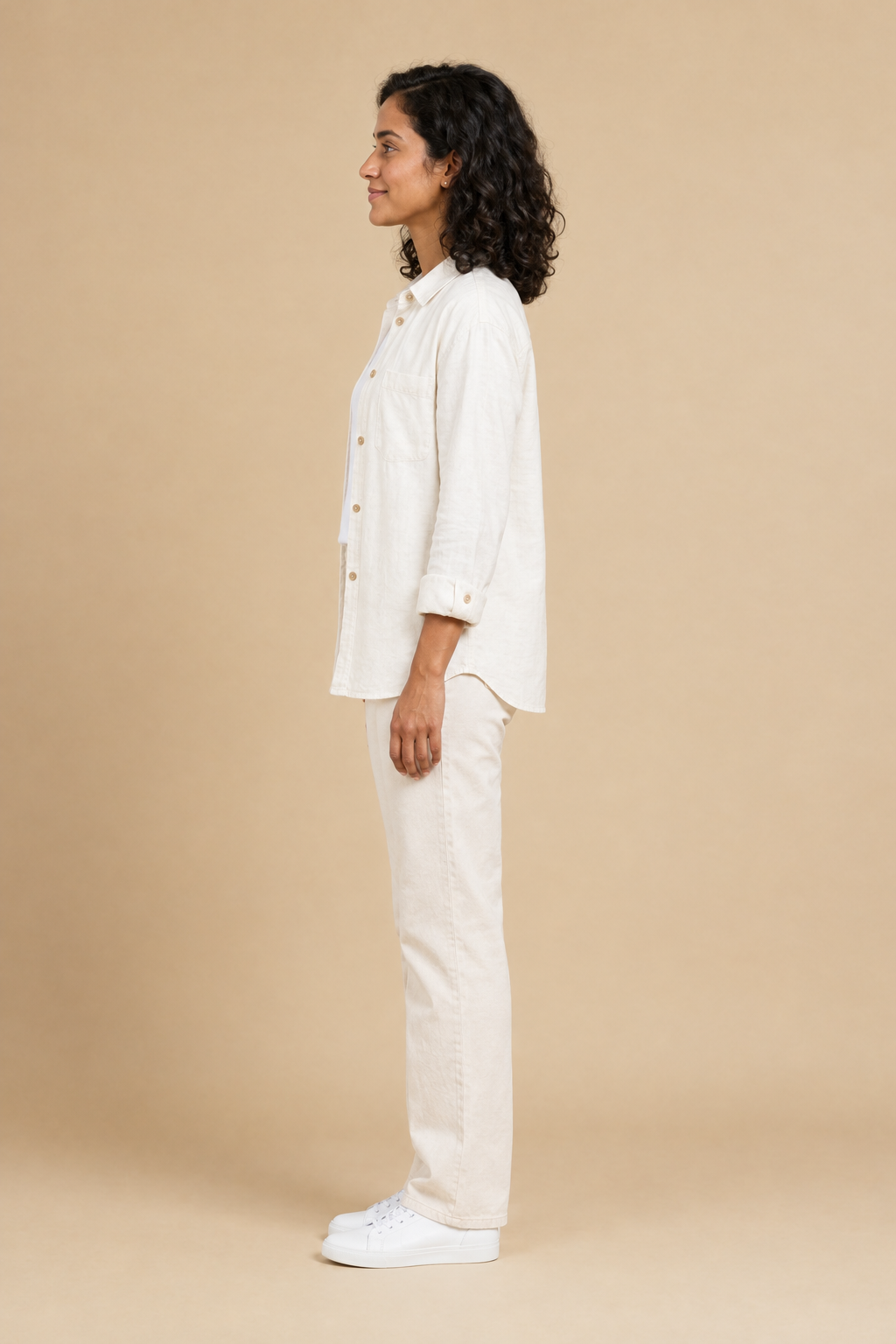
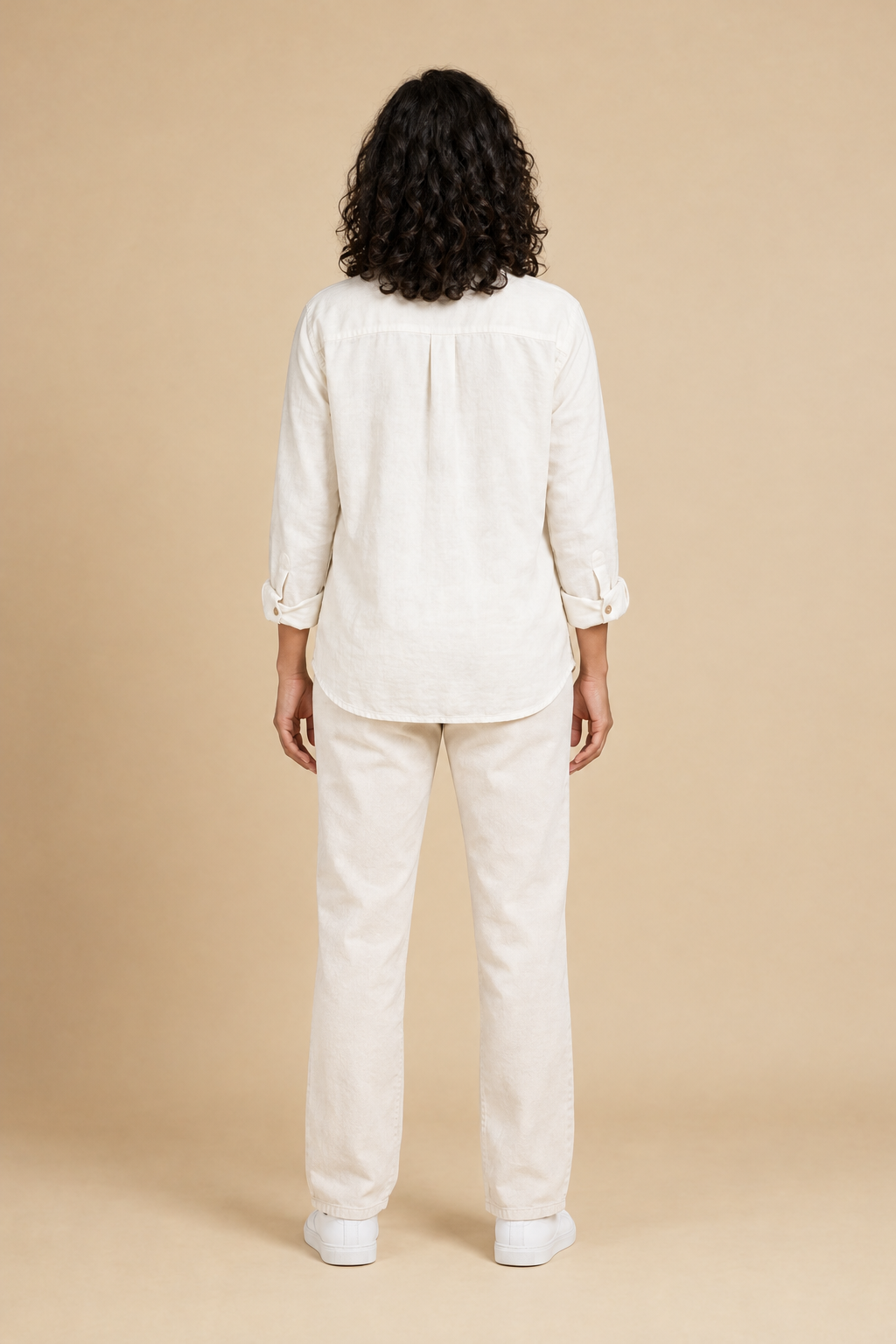
Both sheets have the requested front/profile/back order. Each separate image contains one view, with no extra person or inset portrait. The reference's broad appearance remains recognizable in our visual review: dark curls, similar facial appearance in the front views and the same light clothing palette. That judgment does not establish exact identity or skin-detail preservation.[1]
The clearest inspectable wardrobe change is in independent front repeat two: the original's five visible buttons become three. Front repeat one retains five. This happened despite the prompt explicitly requesting original button placement, so copying the preservation sentence is not enough to certify a character reference sheet.
The separate back images expose a different issue. Repeat one has a horizontal upper-back yoke seam and a center pleat. Repeat two presents a smoother upper back without that same construction. Because the source has no back view, neither is demonstrably the correct reconstruction. The useful finding is disagreement between proposed designs. Choose an approved back design before using both as if they described one fixed garment.
The whole sheets also vary in smaller collar, cuff and hair-contour details between repeats. We did not quantify body proportions, head height or ground-line alignment. Feet being visible and figures looking approximately aligned is a layout observation, not a measurement that they share a precise physical scale.[1]
Choose the workflow by what you need to approve
For this example, a whole character reference sheet puts the three views next to each other in one delivered image. Independent generation produces three files that can be evaluated separately. Replacing only a rejected view is a possible workflow advantage of separate requests, but we did not run corrective edits or measure how often they succeed.
Use a written acceptance list before generating:
| Check | What to compare | Decision for this experiment |
|---|---|---|
| View and framing | Panel count, nose direction, head and shoes | Requested layout was present in all eight outputs |
| Familiar appearance | Face, hair silhouette, color and clothing type | Broad resemblance observed; no identity score |
| Fixed wardrobe anchors | Visible button count, pocket, cuffs and seams | Button-count change in independent front repeat two |
| Unseen surfaces | Back construction and hidden features | Proposed backs differ; there is no back-view truth |
| Scale | Head height, shoe line and proportions | Not measured; do not claim exact alignment |
These are editorial checks, not a universal pass/fail benchmark. A changed button count might be acceptable for an early mood board and unacceptable for wardrobe continuity. Make that decision explicitly. If the face fails your review, reject the image rather than accepting it because the clothes match.
The recorded image charges were 40 credits for the two whole sheets and 120 credits for the six independent views, totaling 160 credits on October 13, 2026. Each terminal task reported 20 credits. The existing reference image's earlier creation and the conceptual cover are outside this experiment total. No corrective generations or downstream videos are included. Consult the GPT Image 2.5 model page for current pricing; the recorded charges do not promise today's quote or the cost of an acceptable final asset.[1]
FAQ
Is one character reference sheet more consistent than separate images?
This small comparison does not establish that. Both methods followed the requested views, and both showed some changes between repeats. The clearest button-count defect occurred in one independent front image. One person and two repeats are insufficient for a general winner.
Can I build a character reference sheet from one image?
These eight outputs demonstrate the requested front, profile and back views from one front image under the recorded settings. Hidden surfaces were inferred. If the exact rear design matters, this experiment cannot certify it without an approved reference.
Why write “nose pointing toward the left edge”?
That was the exact screen-direction cue in our prompts, and all four profile depictions followed it. It does not prove the model correctly interprets every use of anatomical left and right. Check asymmetric identifying details separately.
Does a completed task mean the character stayed consistent?
No. All eight tasks completed, including the front view with a changed button count. Task status, returned dimensions and visual acceptance are different checks.
How much did the character reference sheet experiment cost?
The eight image requests settled at 160 credits altogether on the recorded test date. That excludes earlier reference creation, cover artwork, corrective work and video generation. Current rates belong on the model page, not in a fixed-price promise here.
Will these references keep the same person in a video?
We did not test these sheets as video inputs. Static similarity does not establish performance through motion, occlusion or camera changes. The existing character-to-video workflow covers that next stage; this article does not supply new video-consistency evidence.
Approve the details before reusing the views
Start with the view arrangement you actually need, keep the reference fixed and keep every returned image URL. Review small wardrobe anchors as well as the face. For an unseen back, decide which proposed design becomes the reference rather than treating two different designs as interchangeable. A useful character reference sheet is an approved set of visual decisions, not merely a completed generation.
References
- reAPI Team. Two-repeat character reference sheet experiment. Generated and visually reviewed October 13, 2026. Eight requests, terminal responses, dimensions, recorded charges and review limits: experiment record. Images in the article use the original returned URLs.
- Reddit, r/StableDiffusion. Character sheet help. Posted September 26, 2026; original post and relevant replies reviewed October 12, 2026. Original discussion. User-reported experience, not a model benchmark.
- Reddit, r/generativeAI. How to make high quality character sheets? Posted September 24, 2026; reviewed October 12, 2026. Original task. Automated bot recommendations were not used as evidence.
- reAPI. GPT Image 2.5: reference inputs, size rules and task polling. Retrieved October 13, 2026. reapi.ai/docs/gpt-image-2-5.