Blog
Latest news and updates from our team
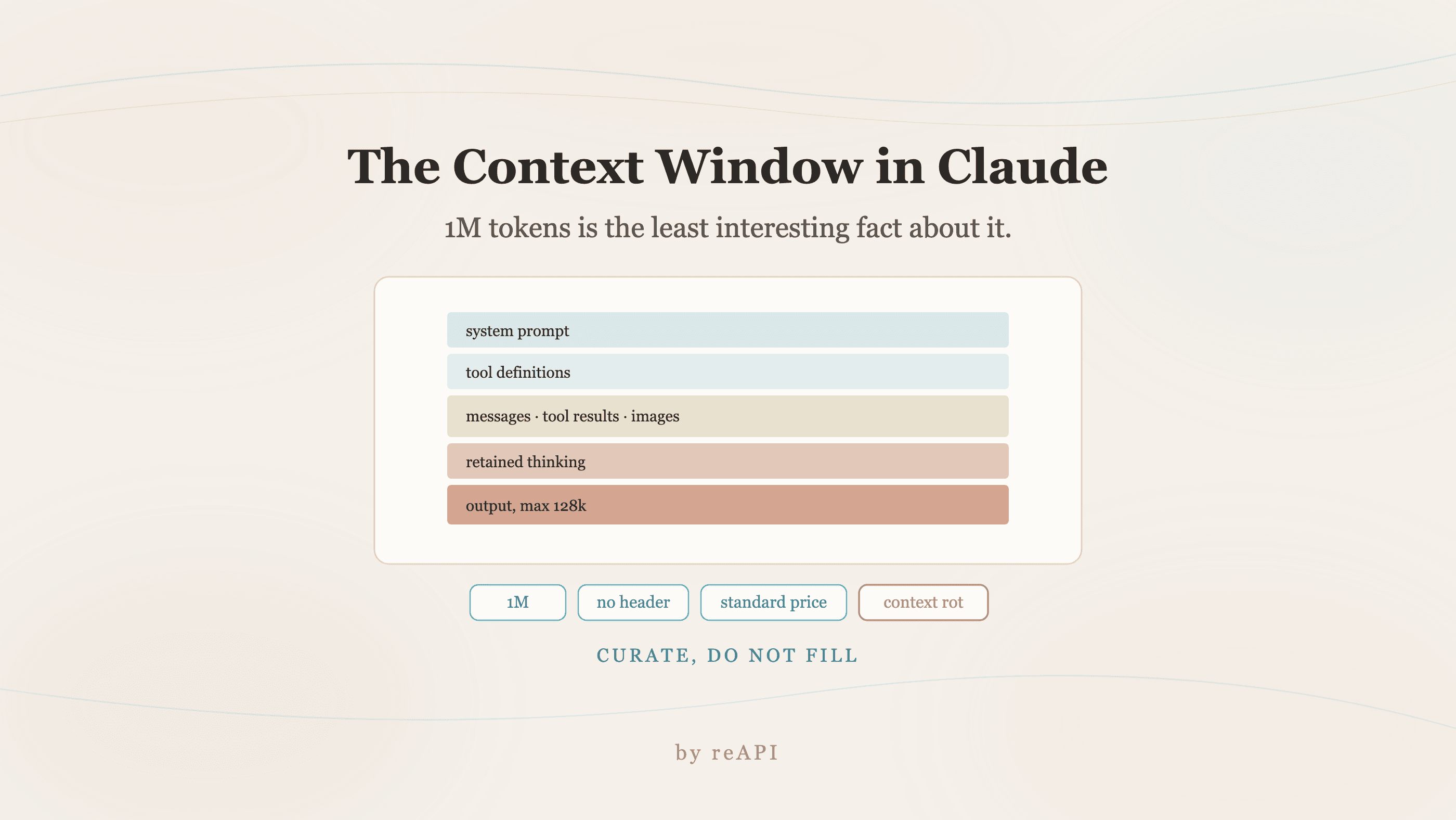
What Is the Context Window in Claude, and What Counts
The context window in Claude is 1M tokens on current models, but tool definitions, retained thinking and cached input all consume it. More is not better.

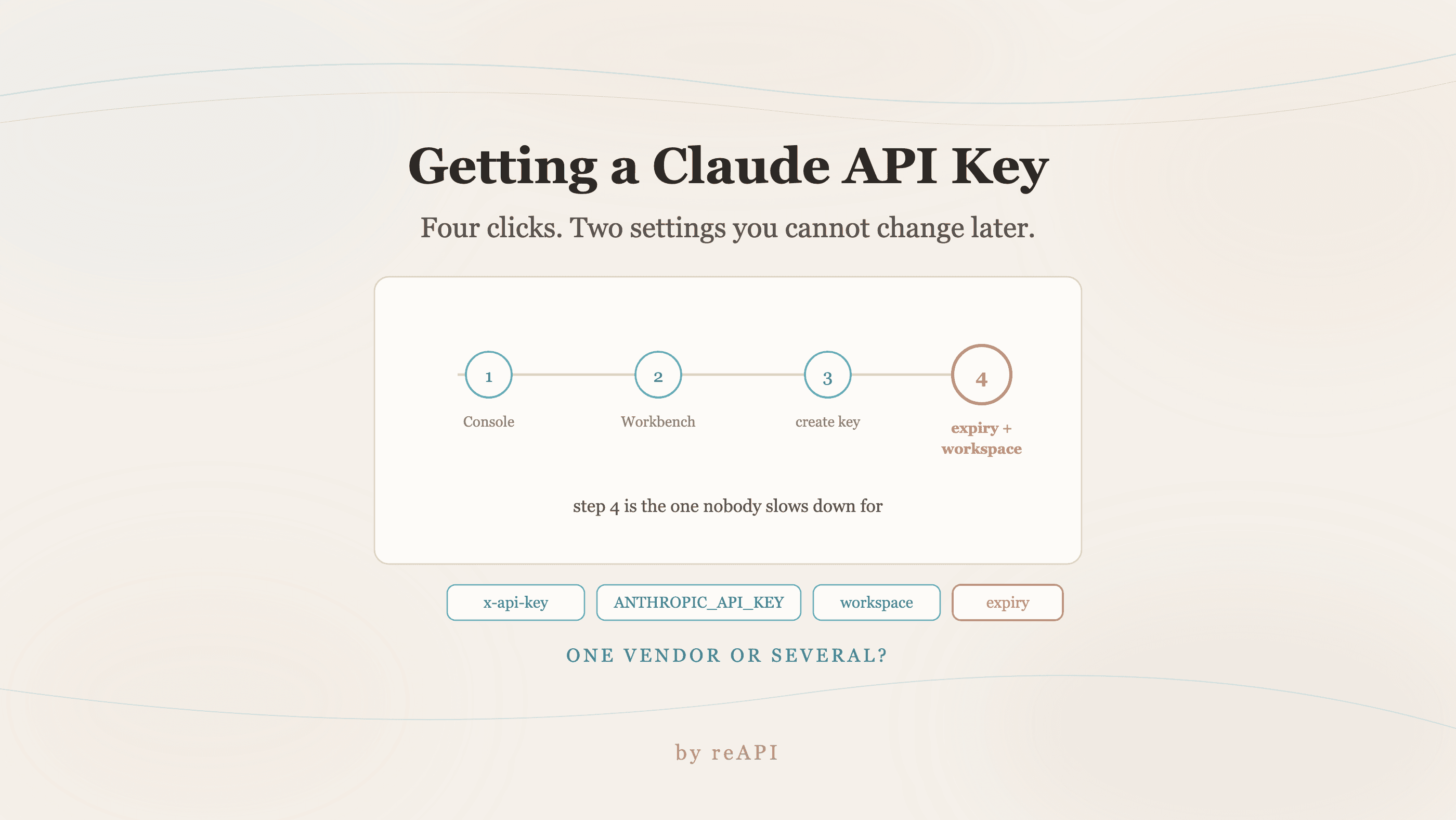
How to Get a Claude API Key, and When You Need One
Creating a Claude API key takes four clicks. Expiration and workspace are chosen once and cannot be changed later, and calling several vendors changes the math.
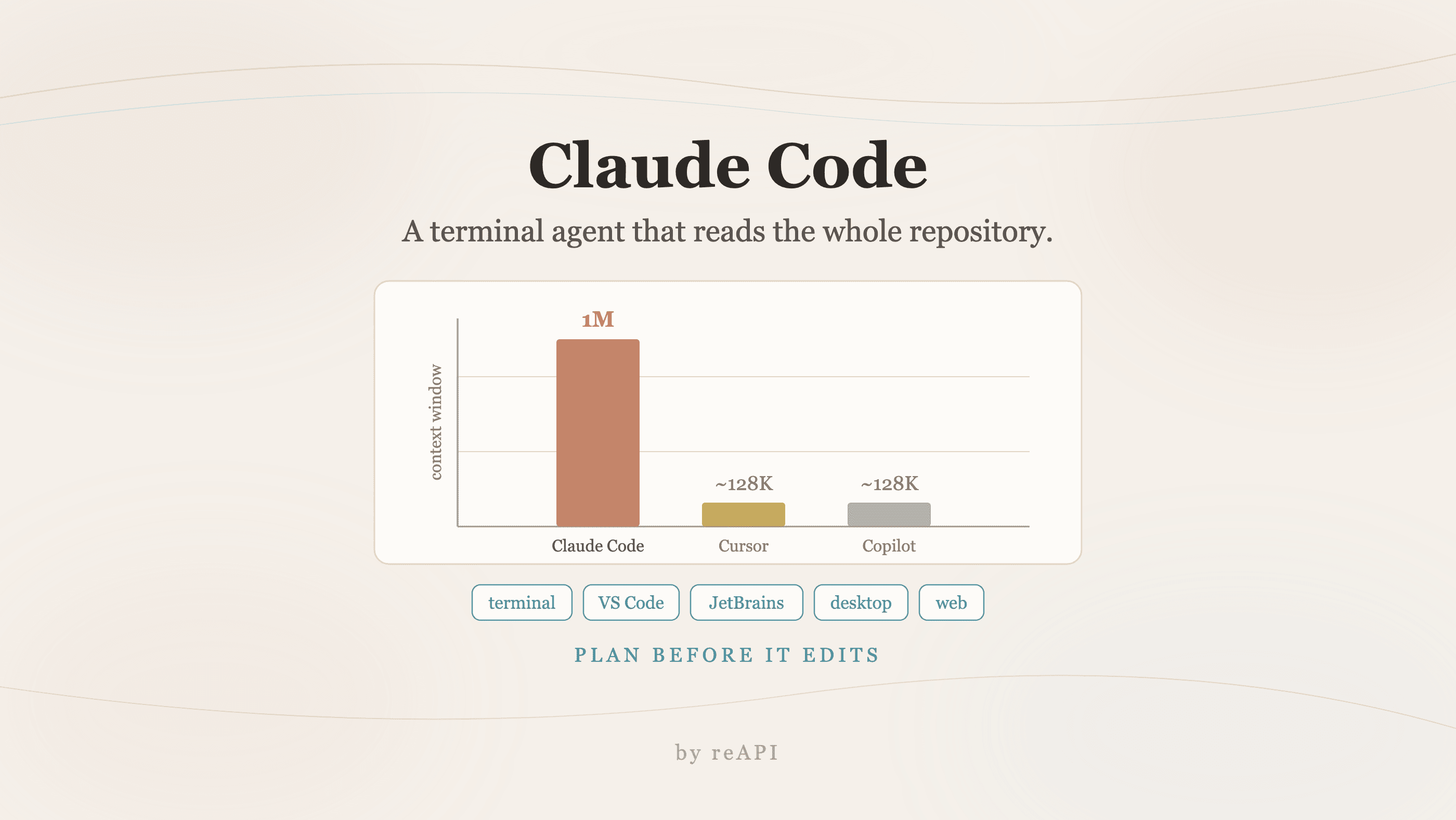
How to Use Claude Code: Anthropic's Terminal Coding Agent
How to use Claude Code: the 1M token context window, 80.8% SWE-bench score, Plan Mode, every surface it runs on, installation, and how it compares to Cursor.
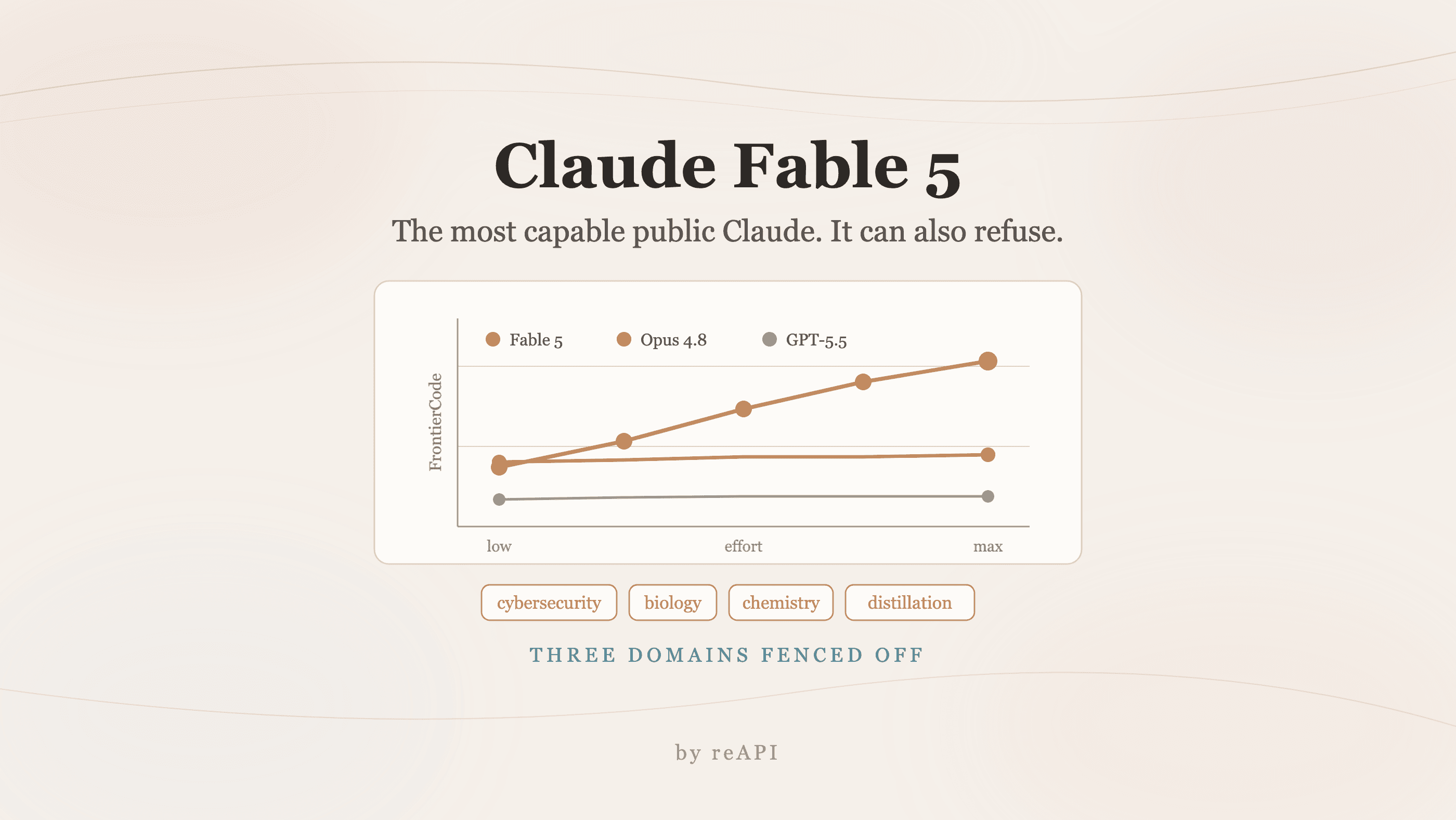
How to Use Claude Fable 5: Refusals, Fallback, and Cost
How to use Claude Fable 5: the full benchmark table, the refusal and fallback contract that changes your code, mandatory retention, and what Opus 5 changed.
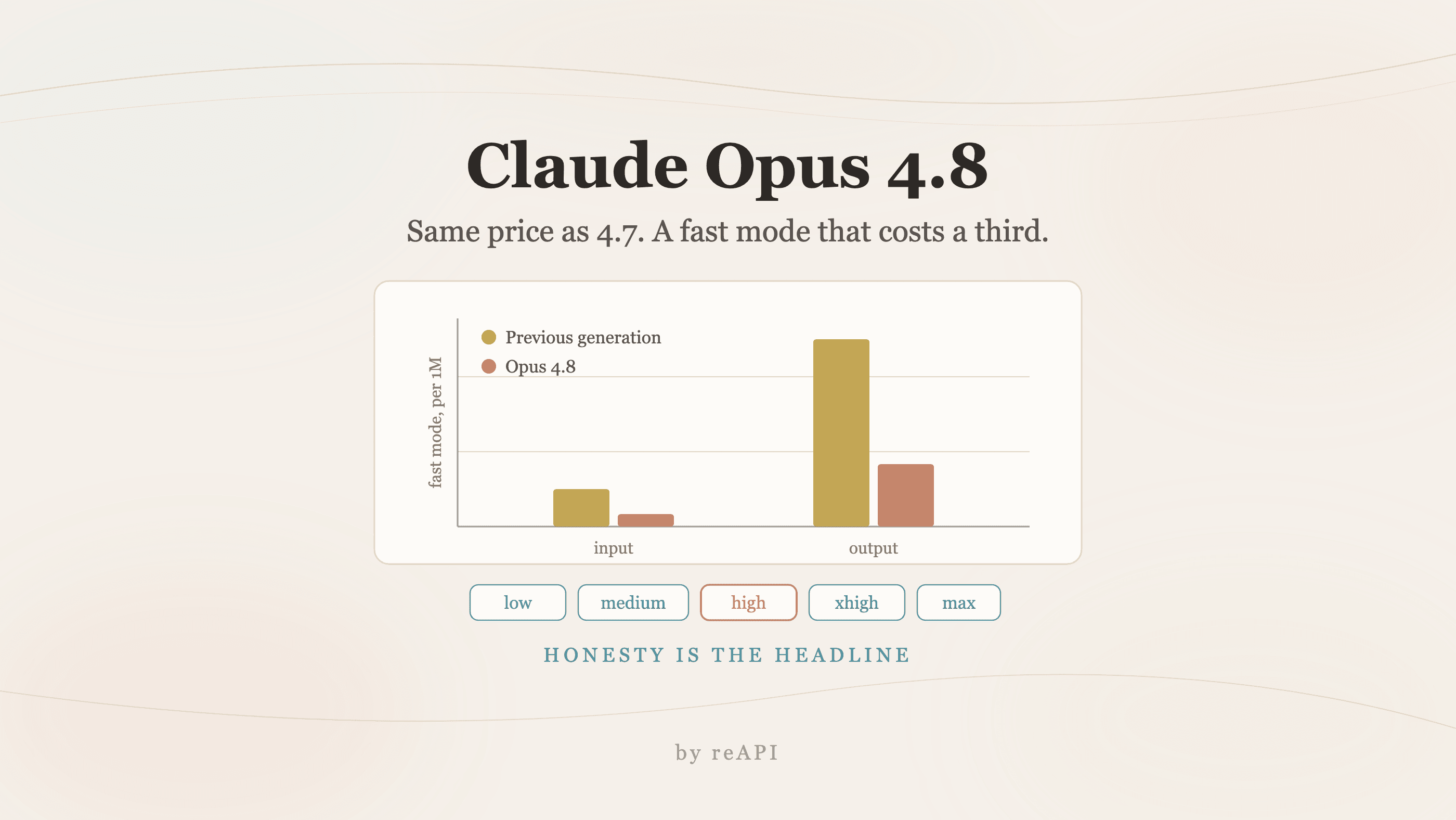
How to Use Claude Opus 4.8: Coding, Honesty, and Cost
How to use Claude Opus 4.8: the official benchmark table, the honesty gain, Dynamic Workflows, the effort default that moved, and what to plan when migrating.
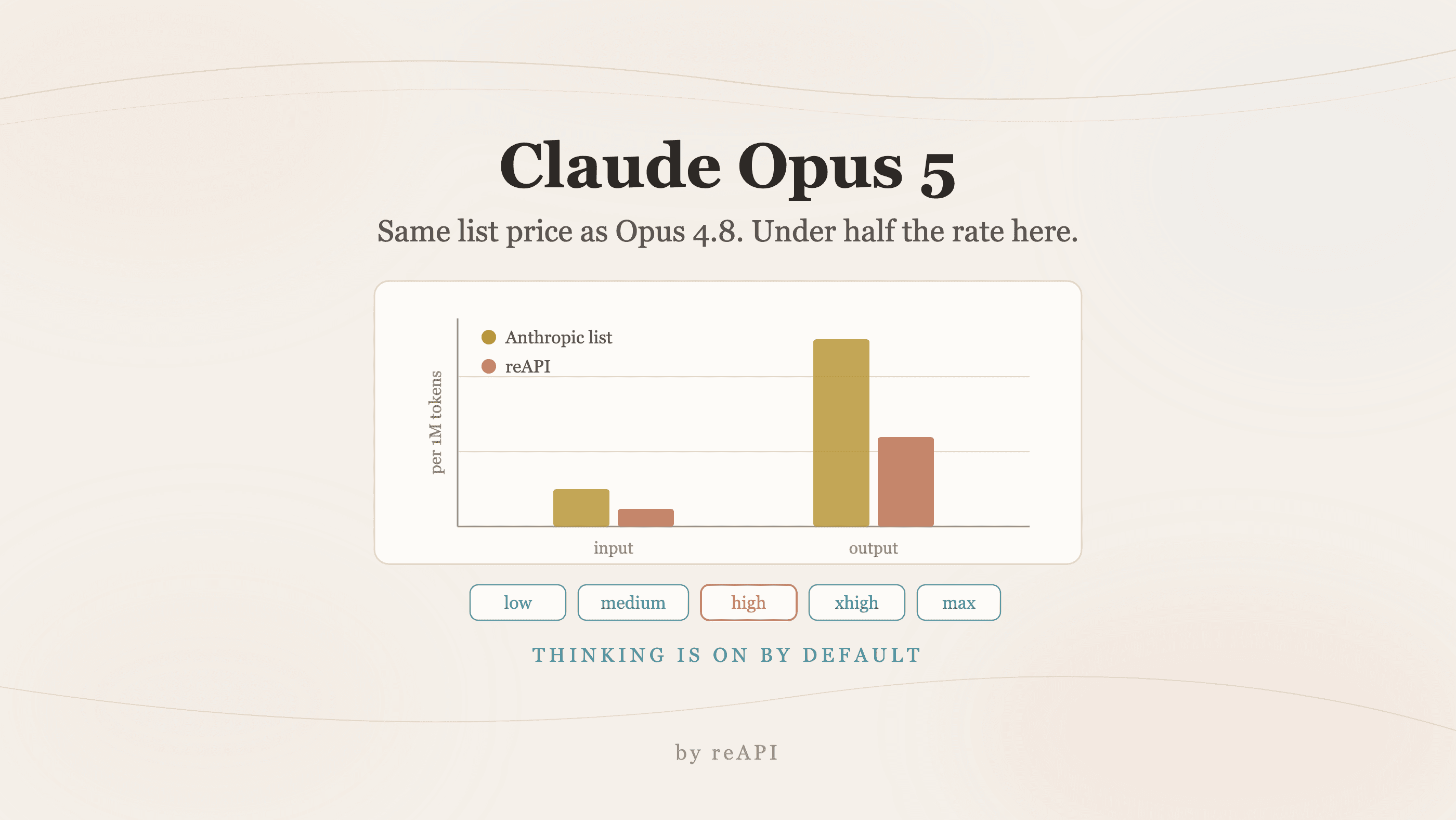
How to Use Claude Opus 5: Benchmarks, Effort, and Cost
How to use Claude Opus 5: the full official benchmark table, the effort ladder that decides your bill, two breaking API changes, and the migration steps.
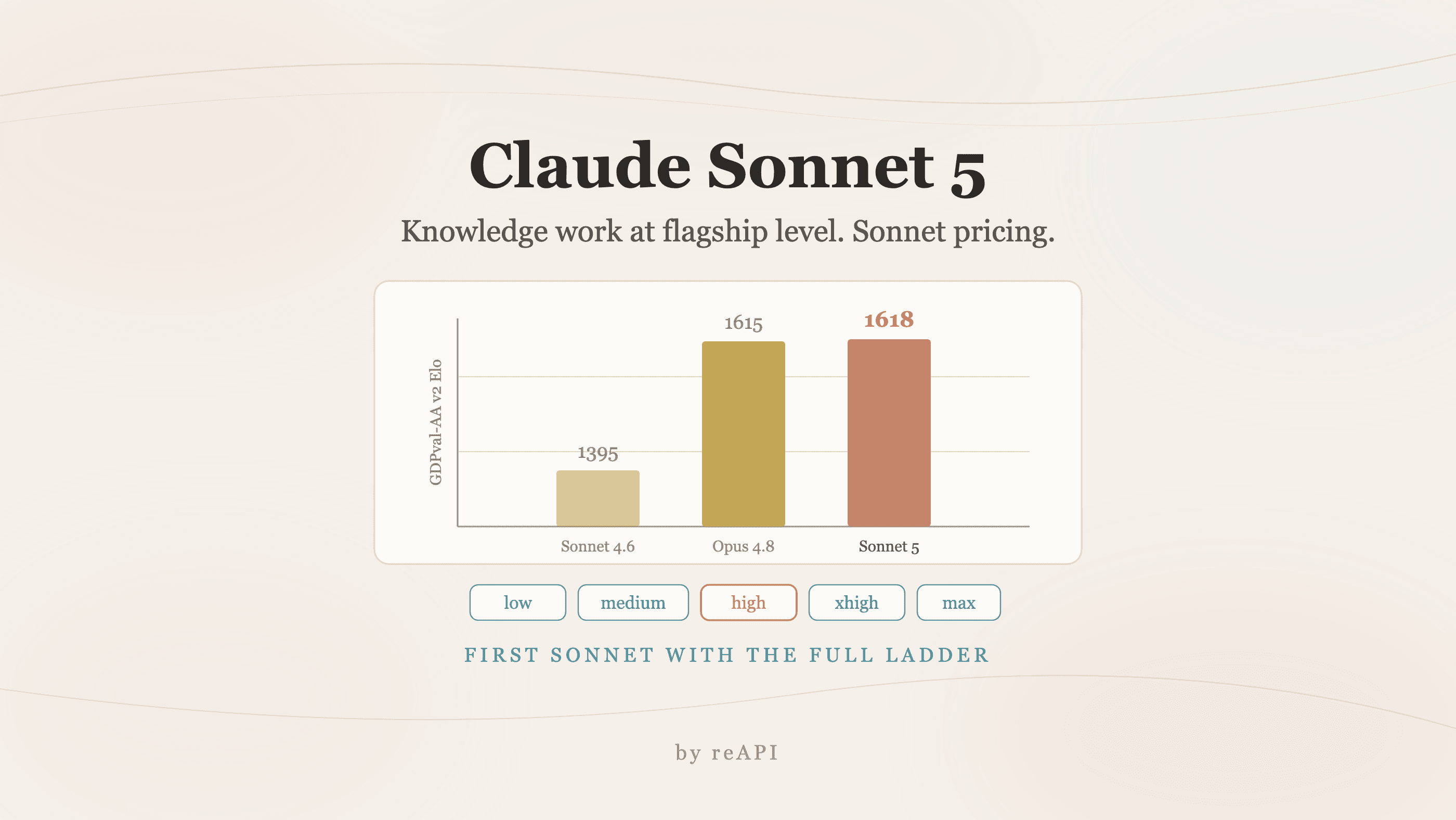
How to Use Claude Sonnet 5: Effort, Cost, and Limits
How to use Claude Sonnet 5: benchmarks against Opus 4.8, the effort ladder that drives cost, the denser tokenizer that inflates bills, and migration steps.
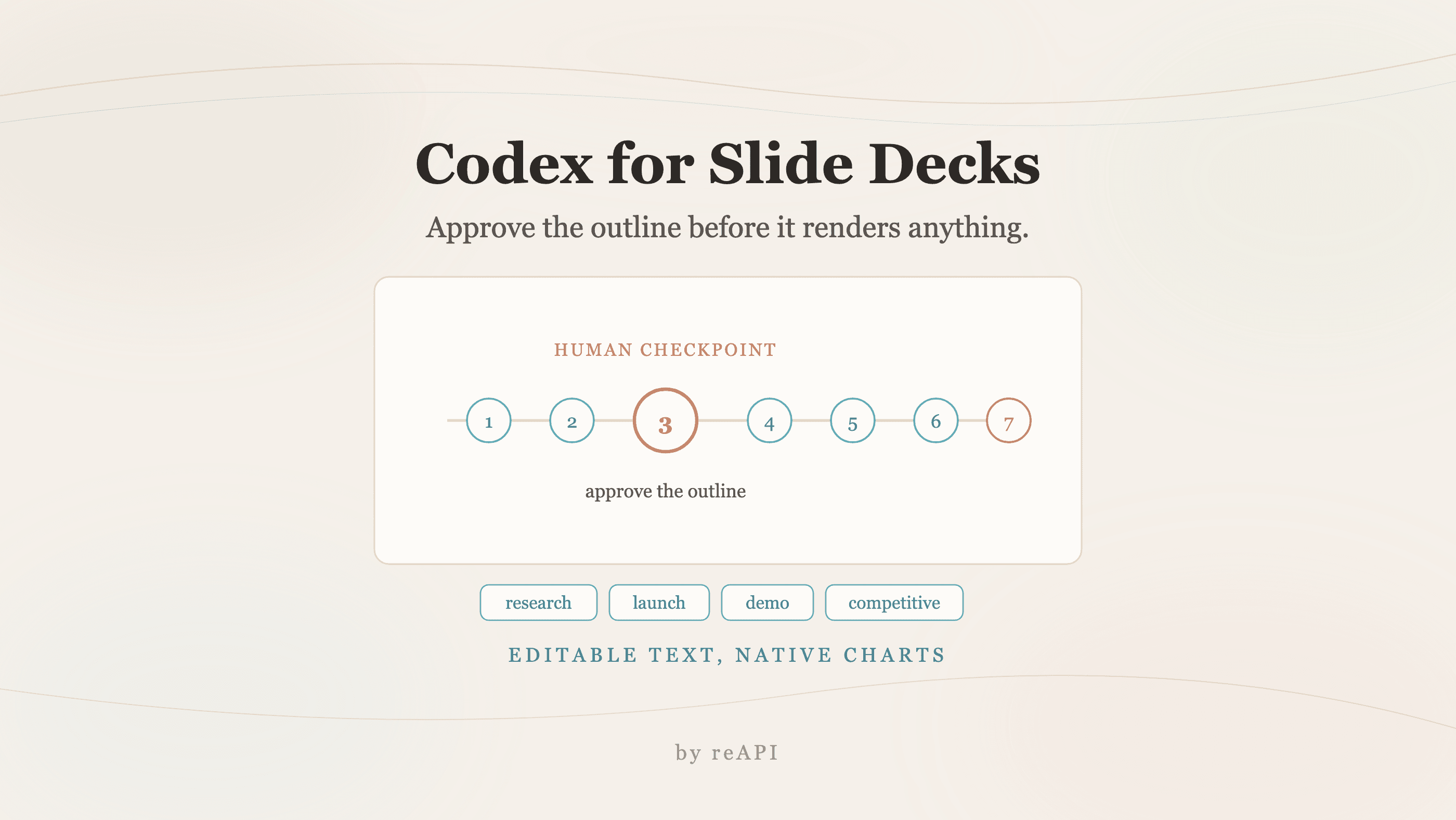
How to Use Codex to Generate Slide Decks From Research
How to use Codex to generate slides: the seven-step workflow, the outline checkpoint that decides deck quality, prompts that pin exact claims, and its limits.
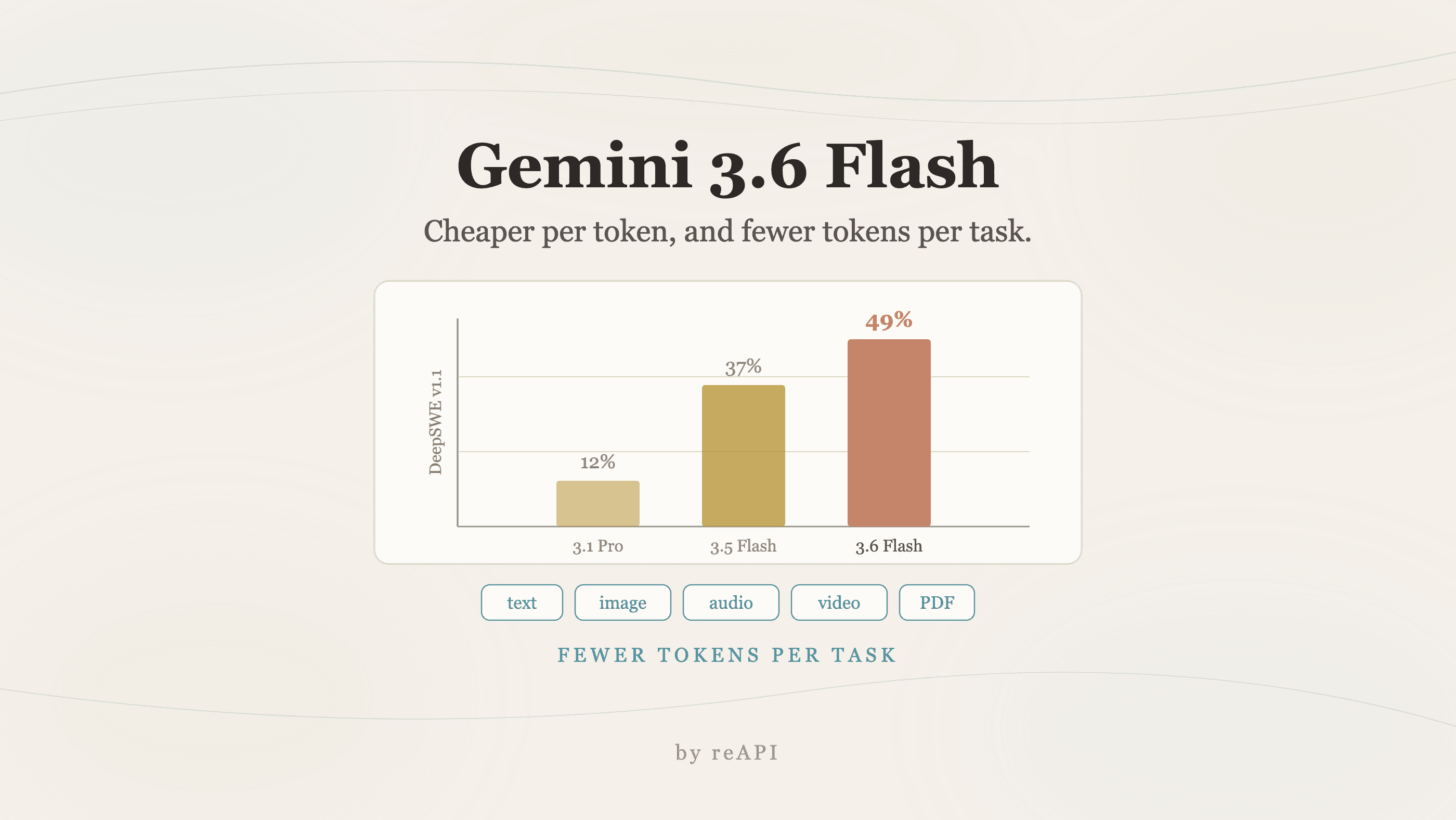
How to Use Gemini 3.6 Flash: Speed, Price, and Limits
How to use Gemini 3.6 Flash: official benchmarks, where it loses to GPT-5.6 Luna and Sonnet 5, four breaking API changes, and the Flash-Lite and Cyber models.
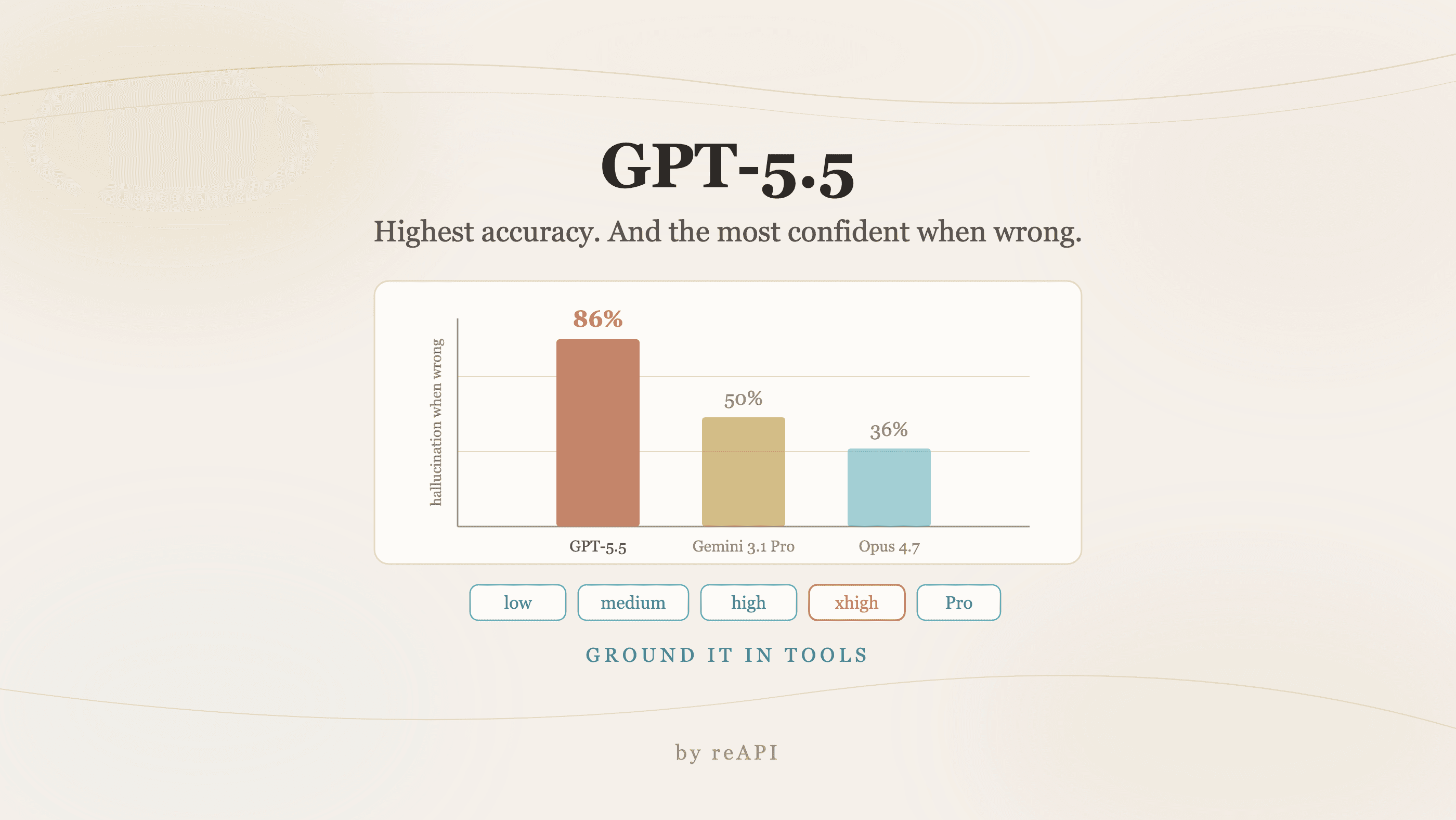
How to Use GPT-5.5: Agentic Strengths and Its One Flaw
How to use GPT-5.5: the Terminal-Bench lead, why the price rise is smaller than it looks, the 86% hallucination rate nobody quotes, and the loop it needs.
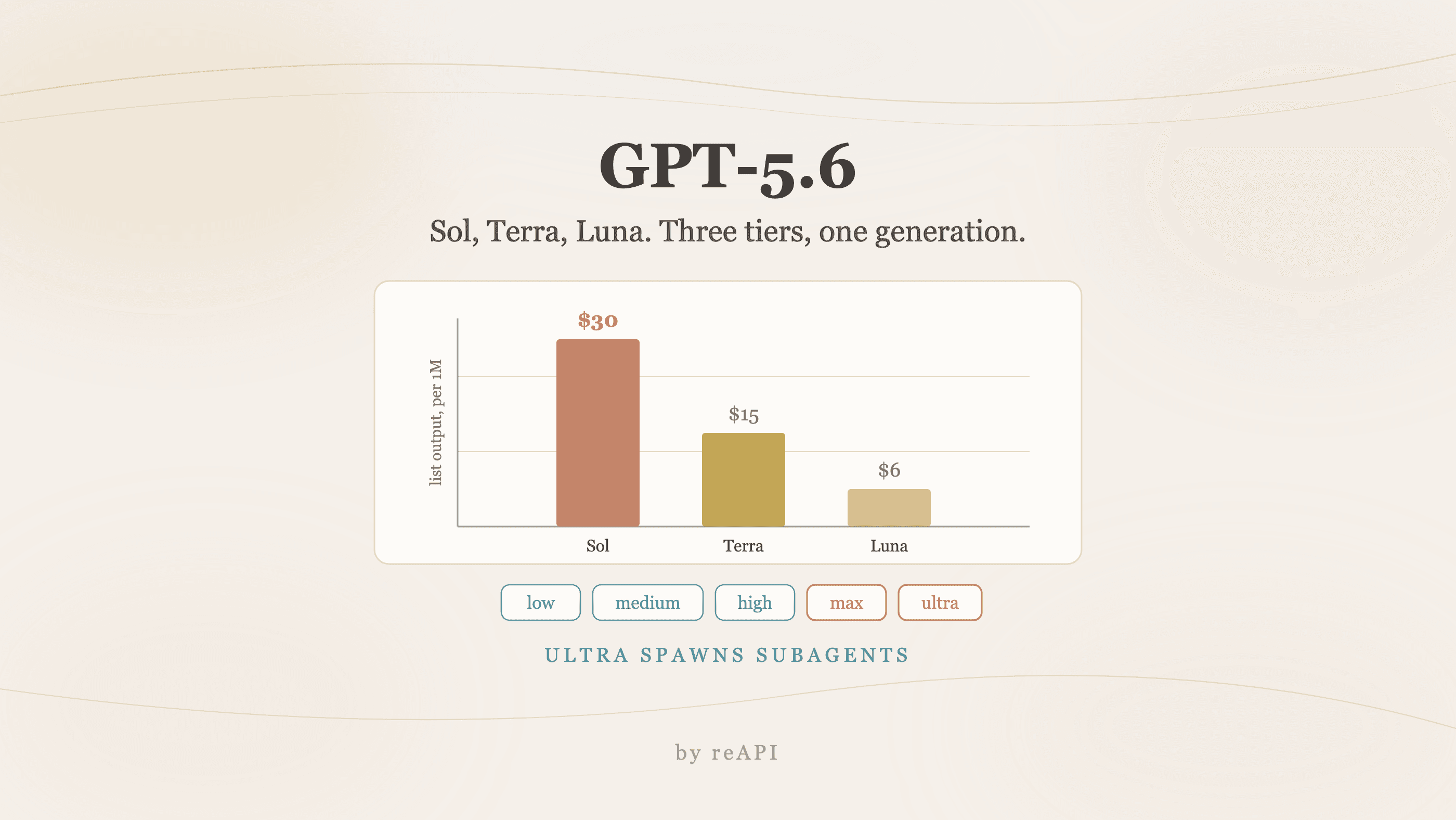
How to Use GPT-5.6: Sol, Terra, and Luna Tiers Compared
How to use GPT-5.6: what Sol, Terra, and Luna cost, the Terminal-Bench table and its four asterisks, the new max and ultra modes, and which tier to pick.
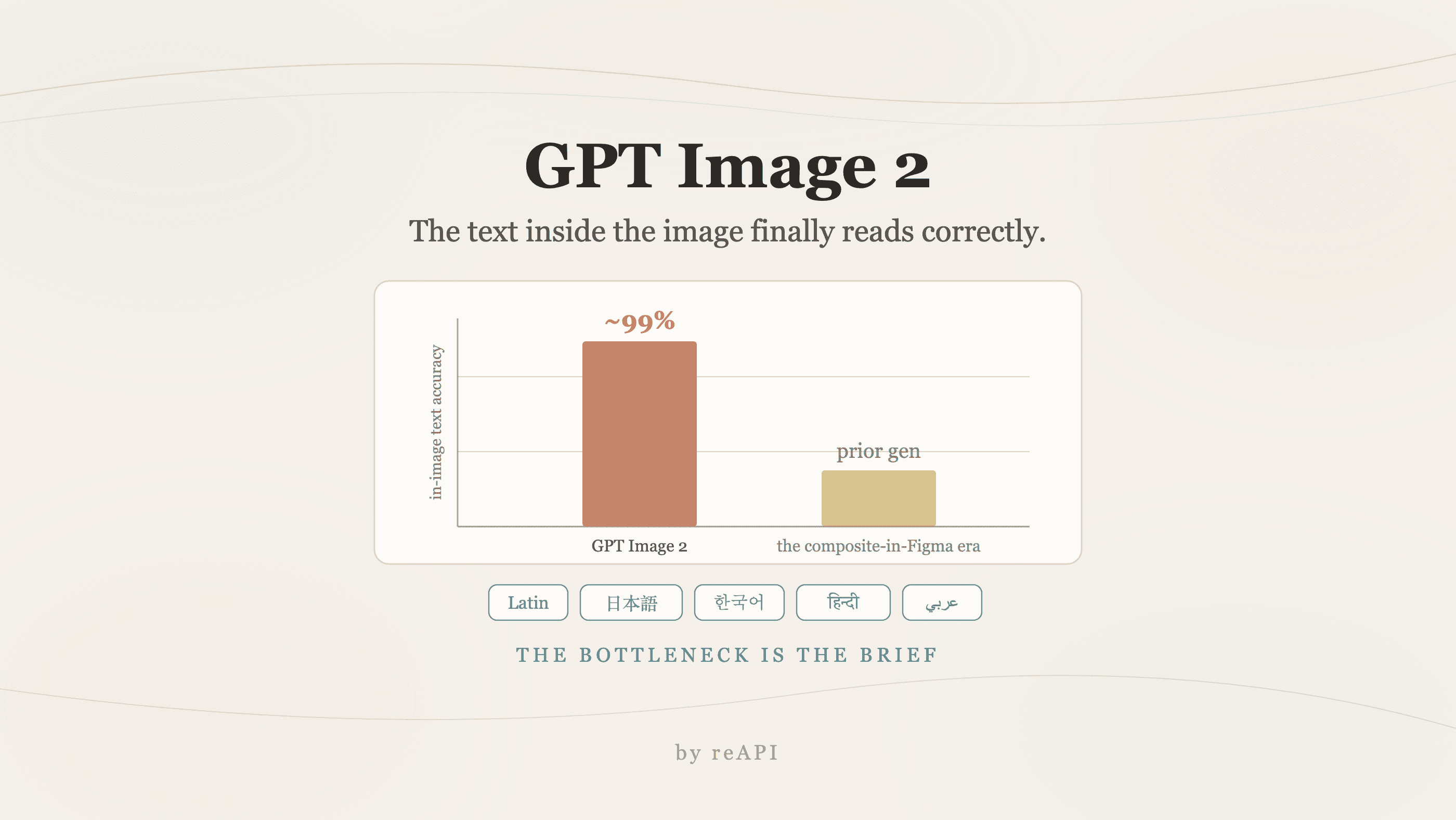
How to Use GPT Image 2: Text Rendering and Thinking Mode
How to use GPT Image 2: the 99% text rendering that removes the composite step, what Thinking Mode does, where it loses to Nano Banana 2, and prompt changes.
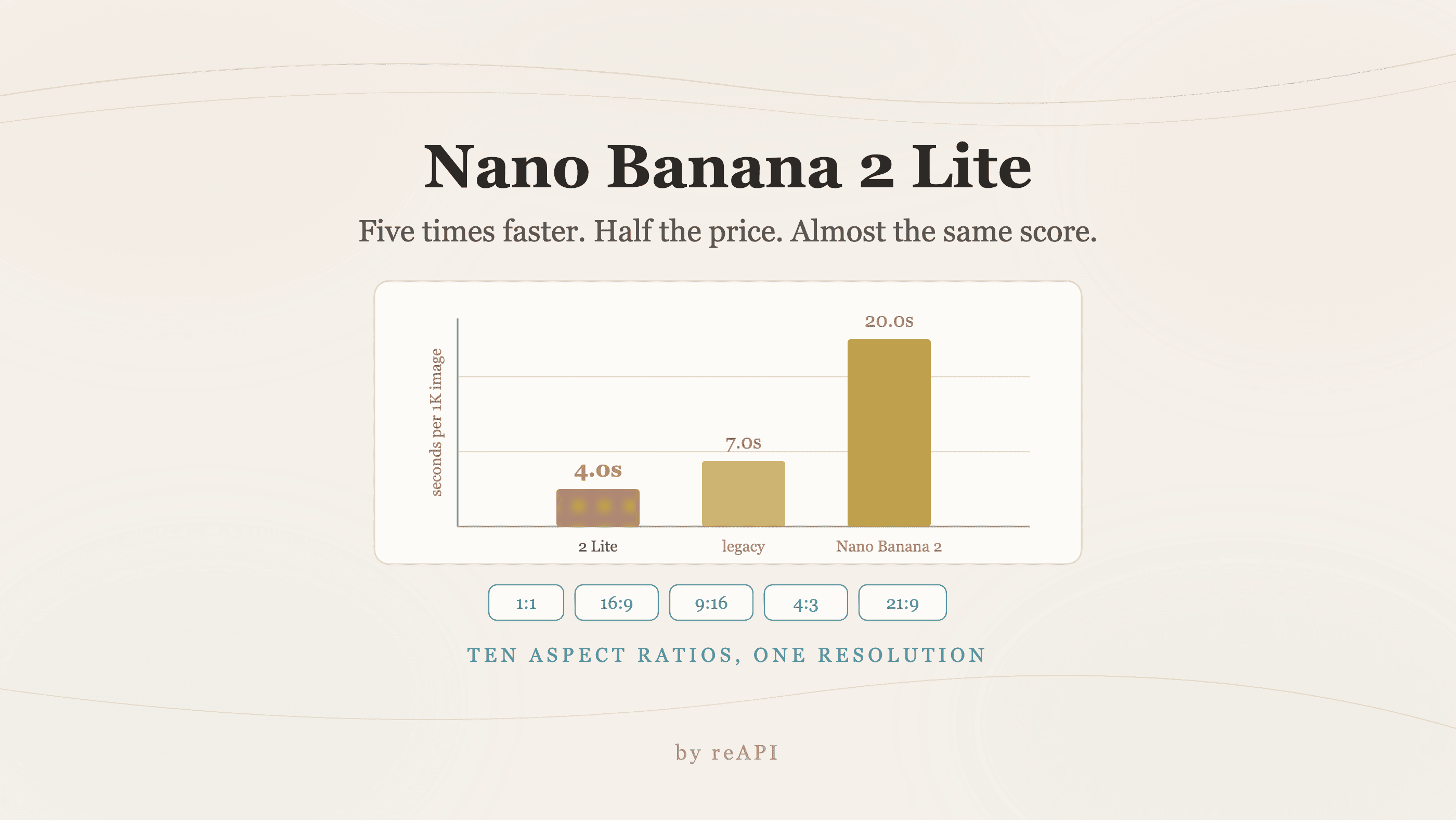
How to Use Nano Banana 2 Lite: Speed, Price, and Limits
How to use Nano Banana 2 Lite: four-second 1K images, the official benchmarks, the corrected cost math, what the 1K ceiling rules out, and how to prompt it.
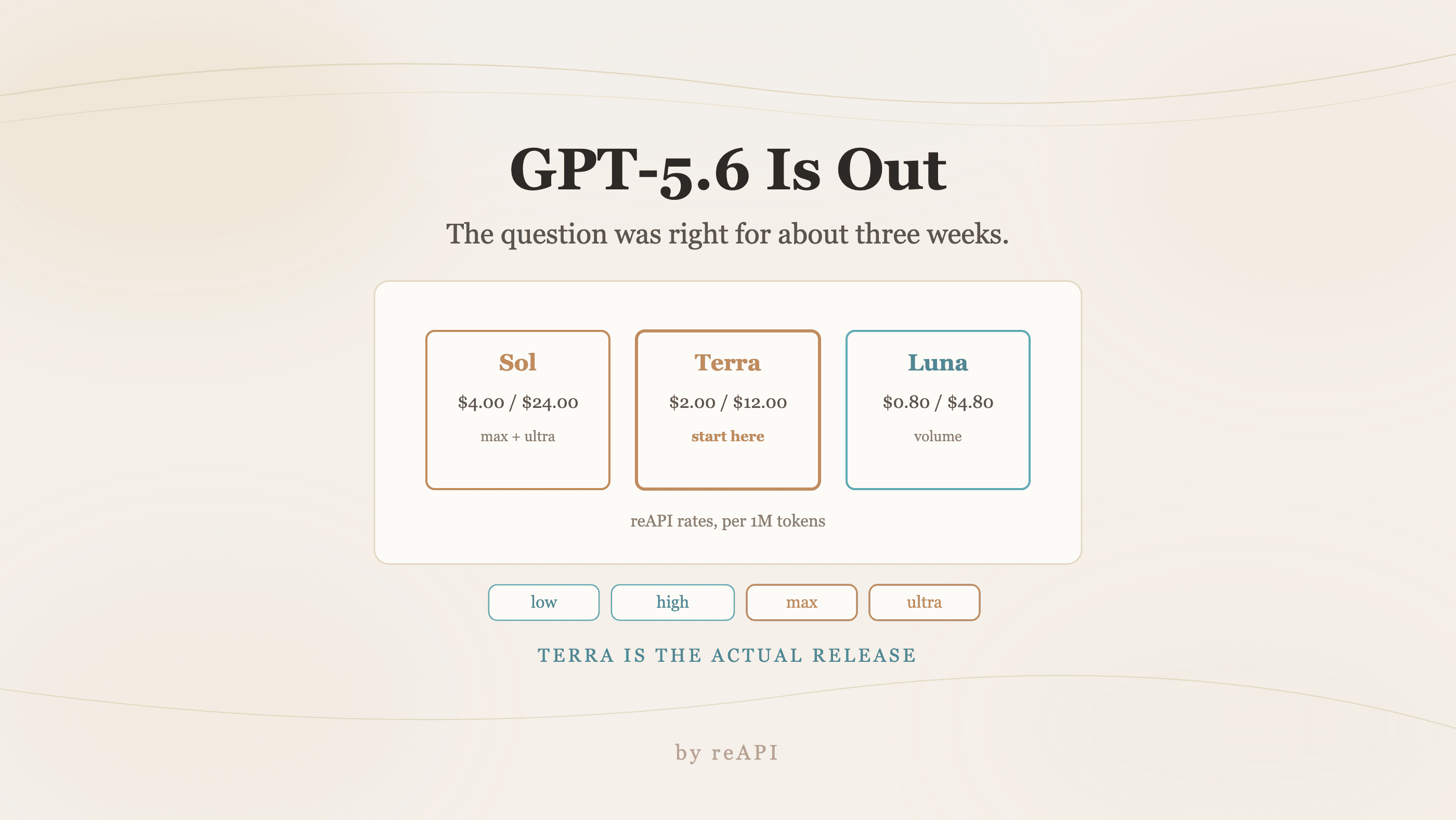
Is GPT-5.6 Out Yet? Yes — and Here Is What Shipped
GPT-5.6 is released. It shipped as three tiers, the rollout was gated for weeks which is why answers conflict, and Terra is the one worth migrating to.

Kimi K3: The Complete Guide to Moonshot's 2.8T Flagship
Kimi K3 specs, architecture, pricing, and API behavior in one place: 1M context, always-on reasoning, fixed sampling, and how to call it through an OpenAI-compatible API.
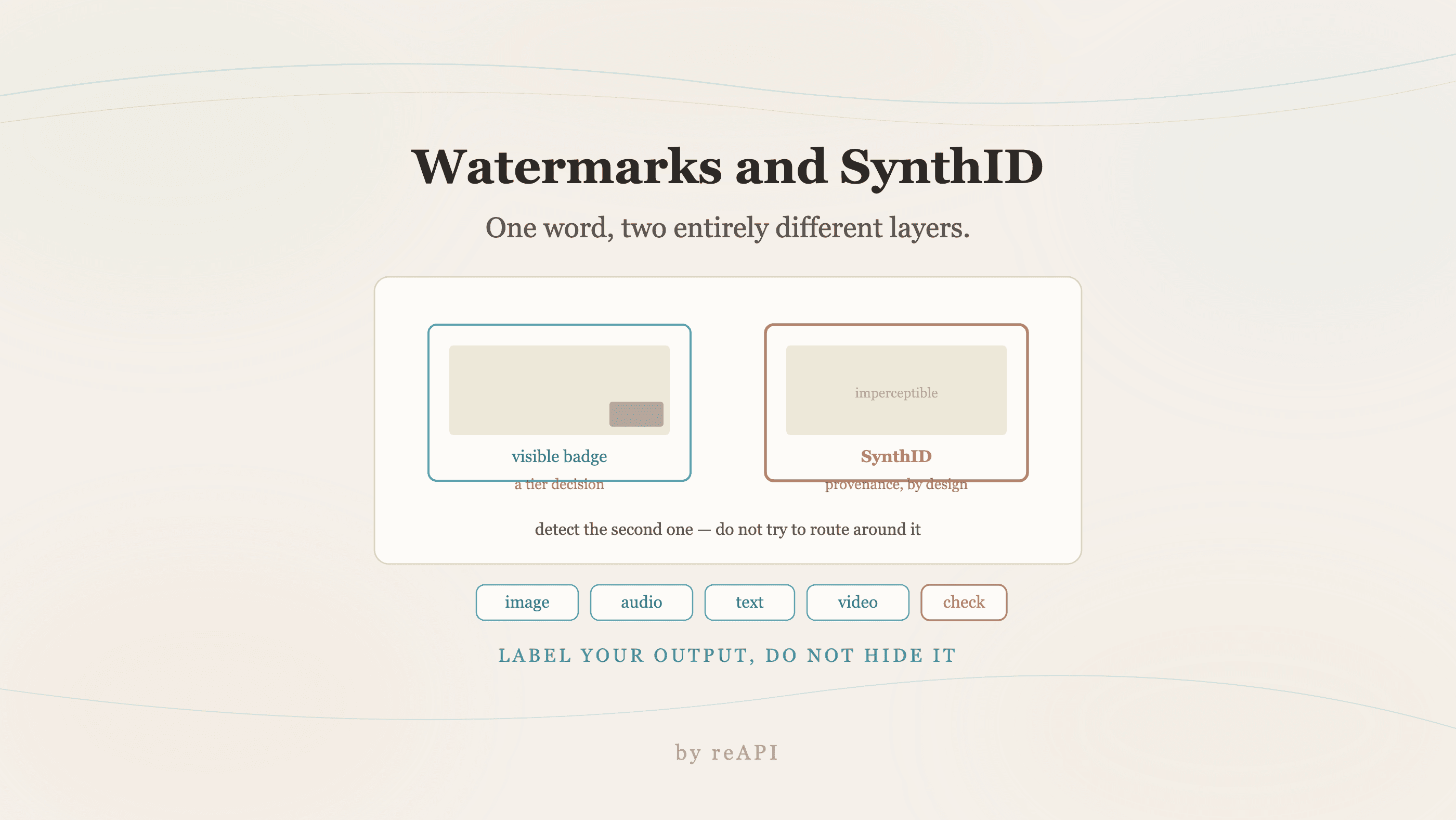
Does Nano Banana Have a Watermark? SynthID Explained
A visible badge and SynthID are different things. One is a product tier you can change, the other is provenance embedded in the content. How to tell them apart.
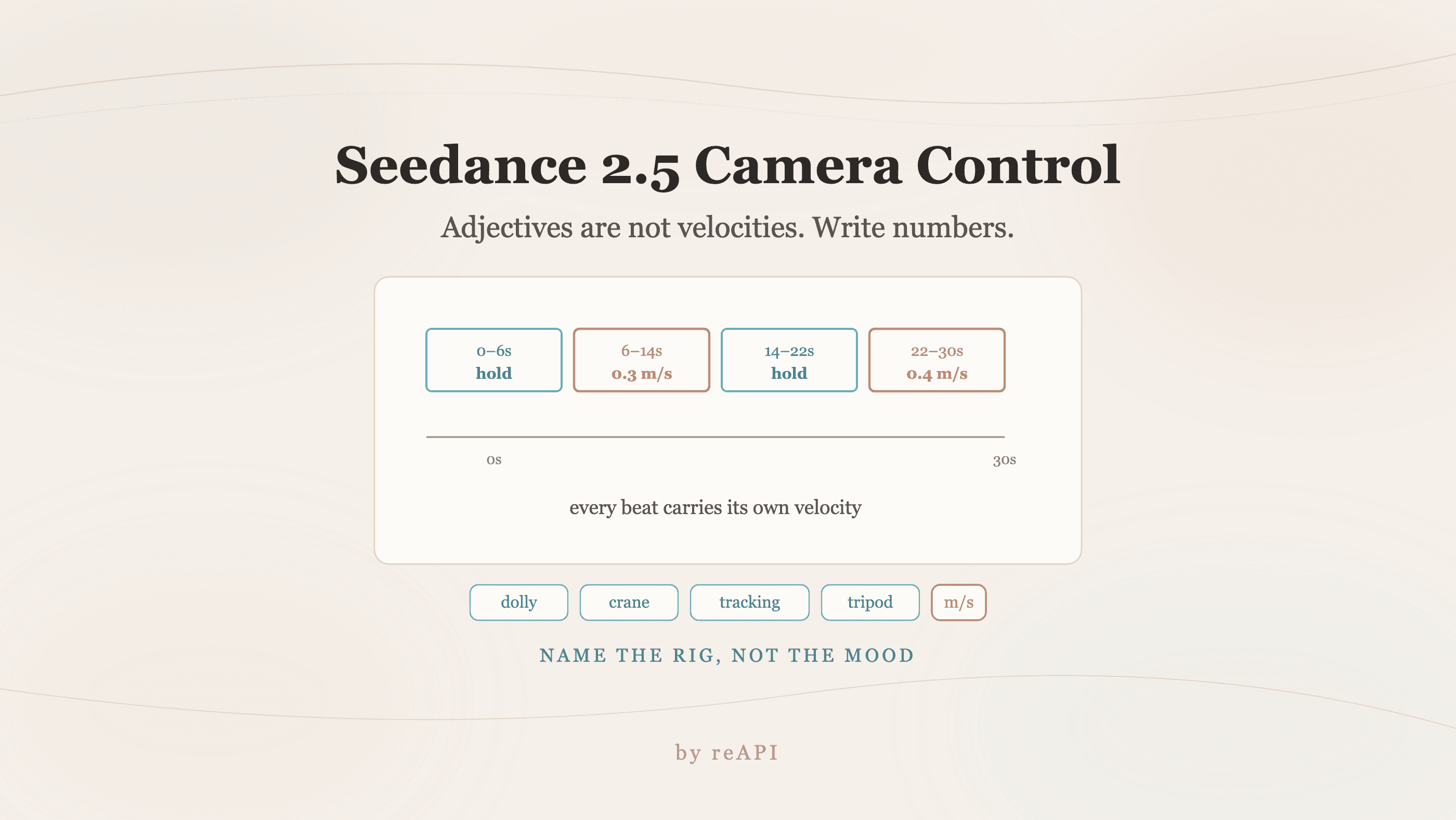
Seedance 2.5 Camera Control: Write Numbers, Not Adjectives
Seedance 2.5 camera control fails on mood words because adjectives map to fast default motion. Use explicit velocities, named rigs, and timestamped beats.
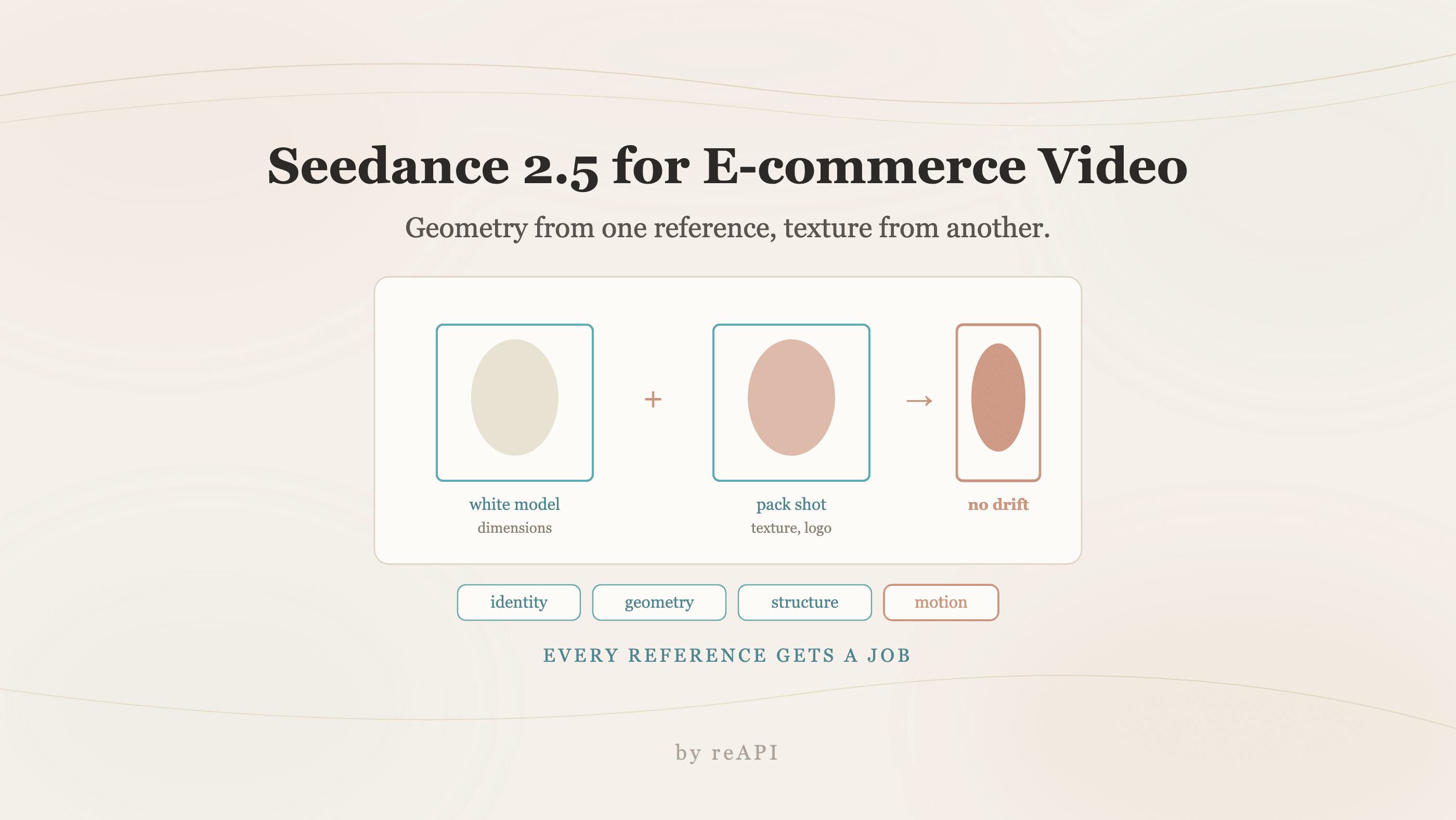
Seedance 2.5 for E-commerce Video: A Real Workflow
A Seedance 2.5 e-commerce video workflow: assign roles to references, stop shape drift with a white model, fix regions not clips, and state the negatives.
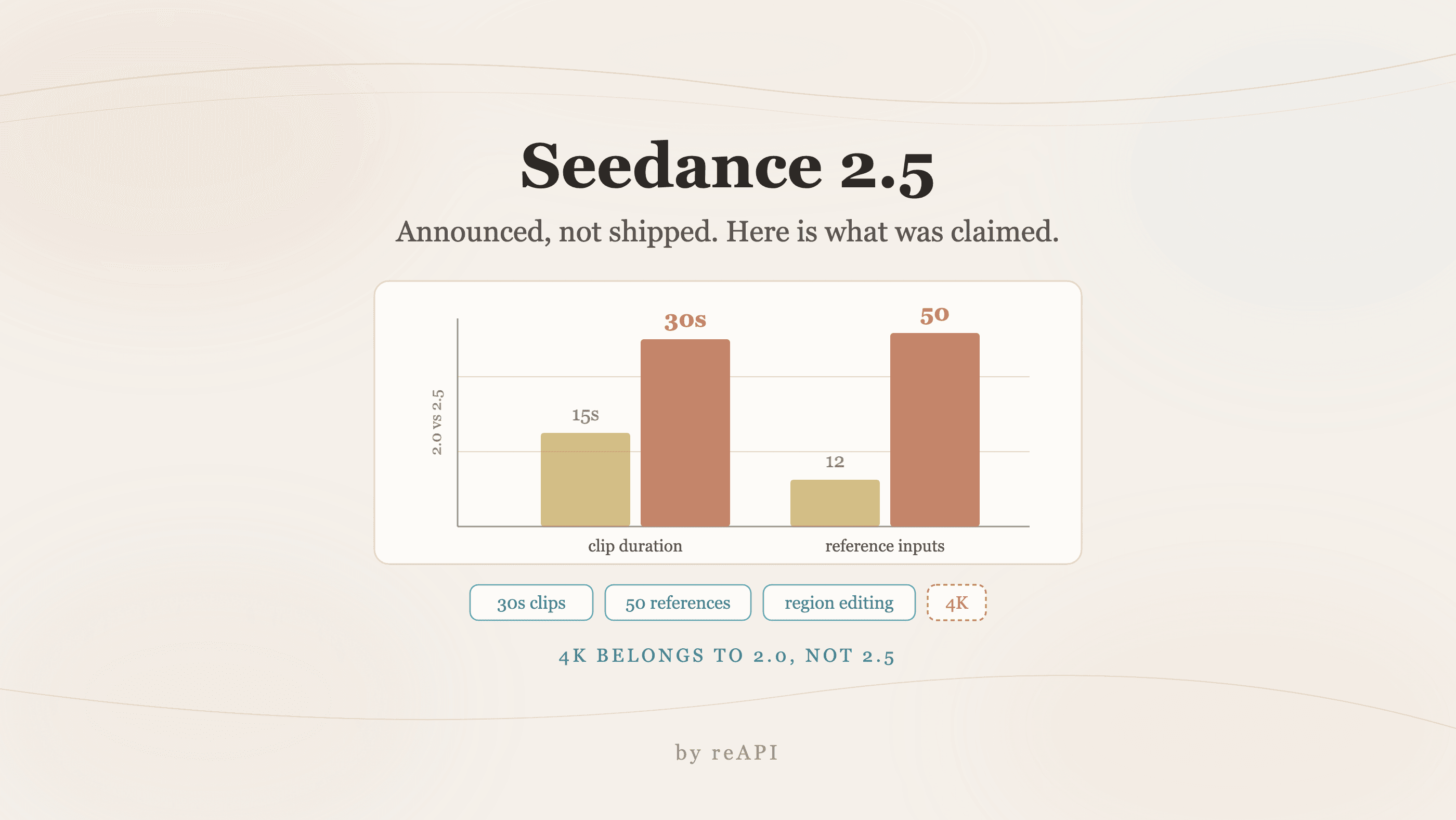
Seedance 2.5 Features: 30-Second Clips and 50 References
The Seedance 2.5 features ByteDance announced: 30-second single clips, 50 multimodal references, region editing, and why native 4K belongs to Seedance 2.0.
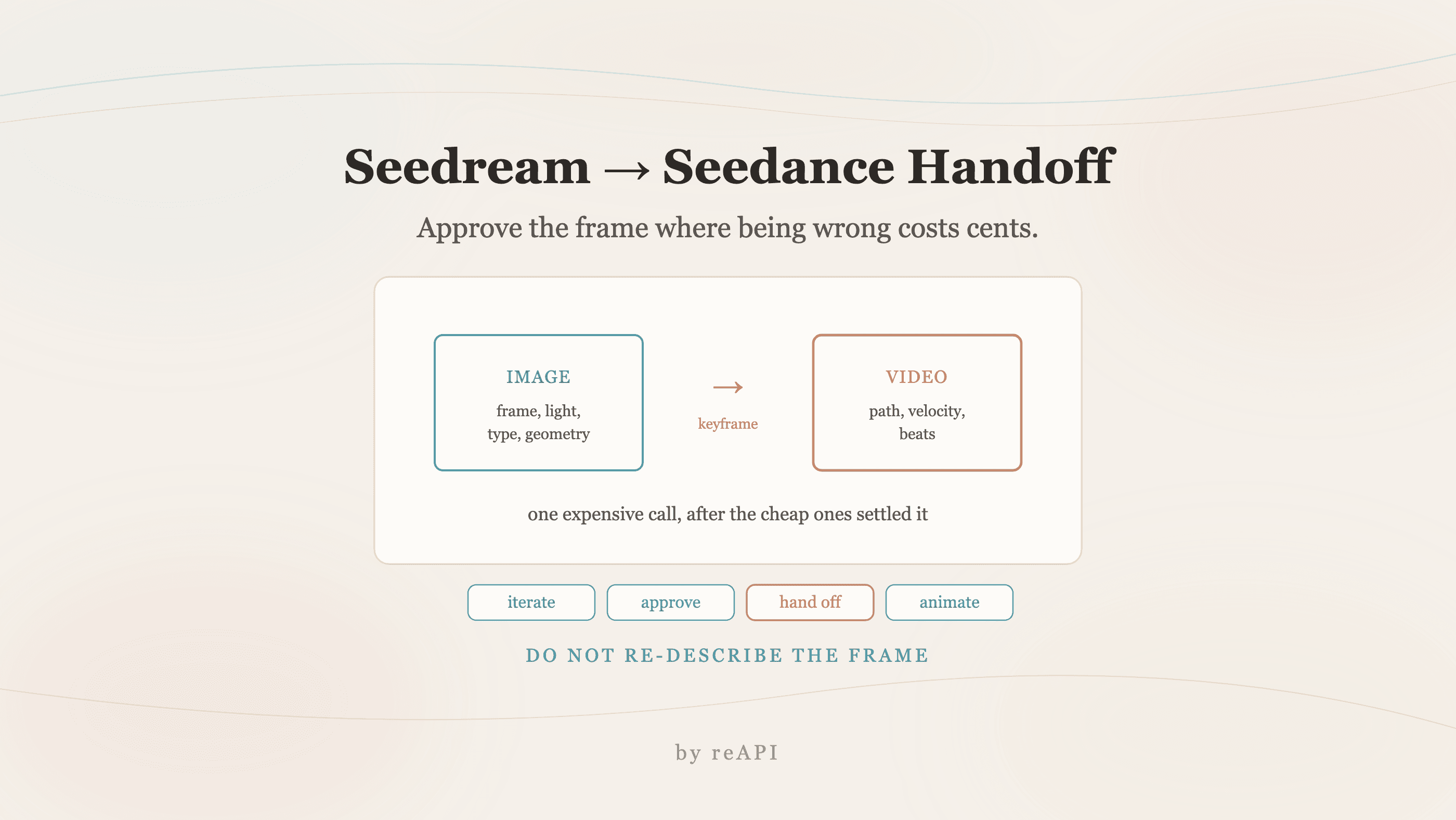
Seedream to Seedance: The Keyframe Handoff Workflow
The Seedream Seedance workflow settles composition on a cheap image call, then hands one keyframe to the video model. What each phase owns, and what breaks.
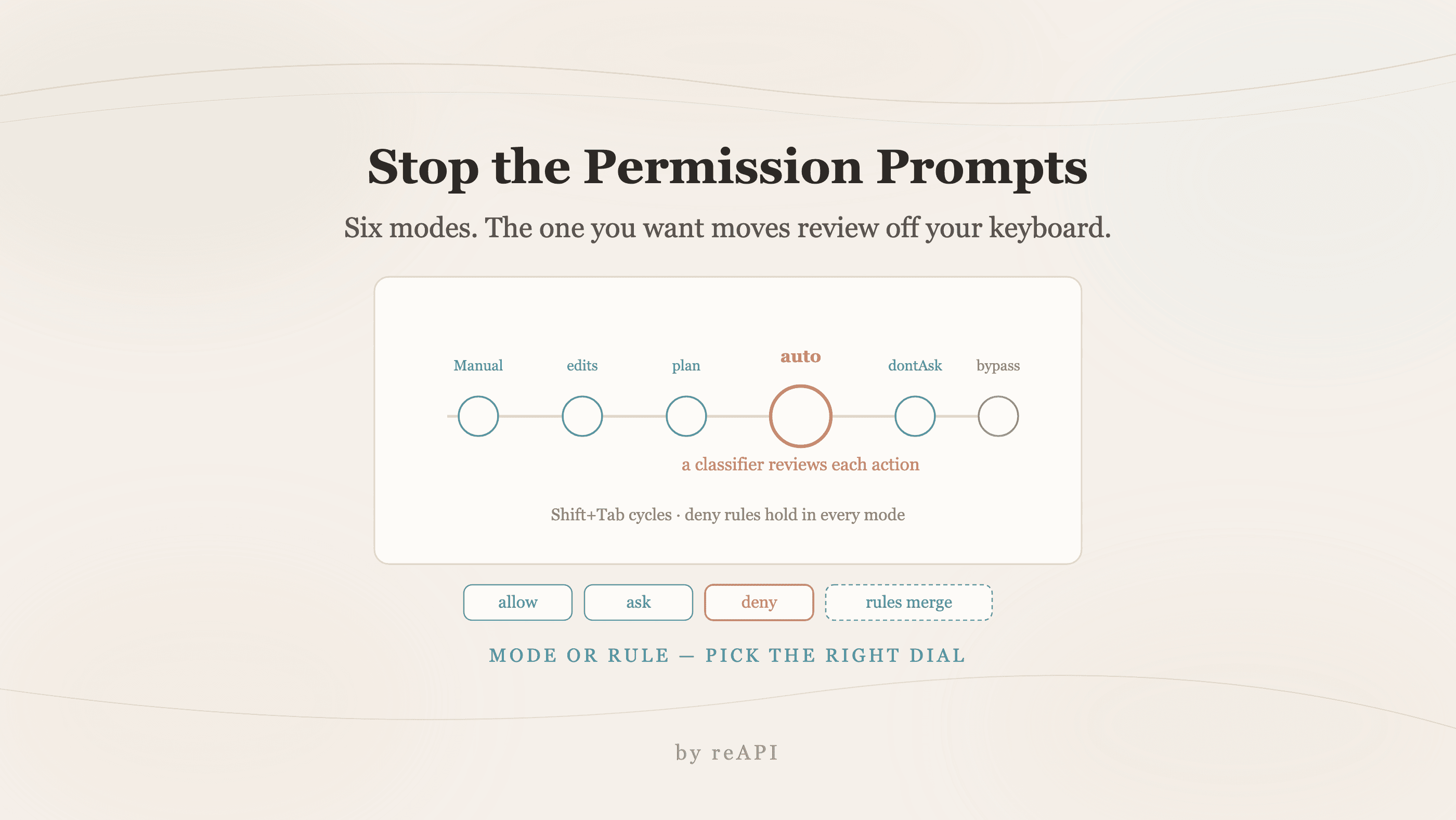
How to Stop Claude Code Asking for Permission Every Time
Claude Code has six permission modes. Auto mode moves review to a classifier, rules fix one repeated command, and one settings file silently ignores auto.
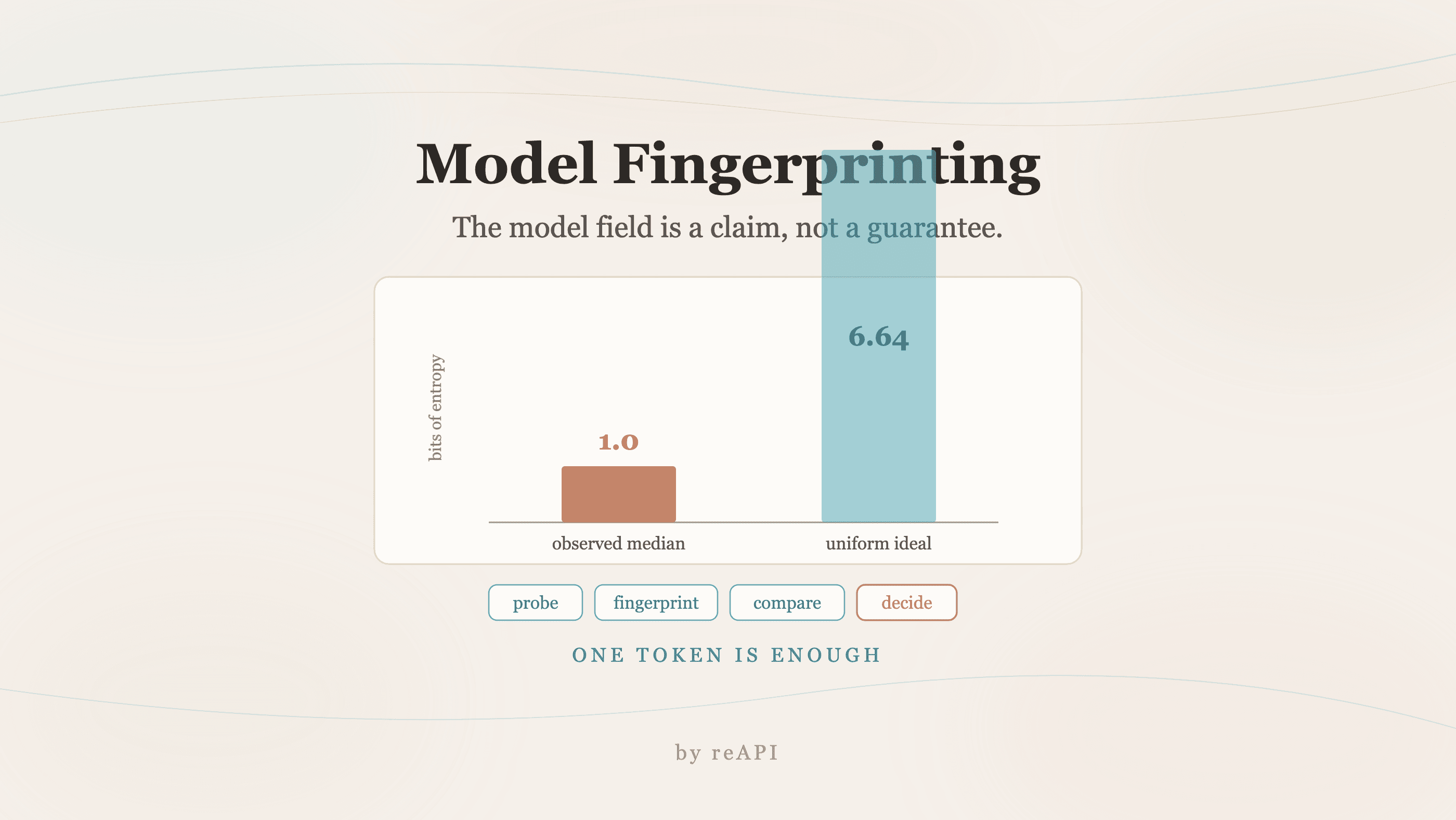
How to Verify an LLM API Serves the Model It Claims
Language models cannot pick a random number. That flaw is a stable fingerprint you can use to verify whether an API endpoint serves the model it advertises.
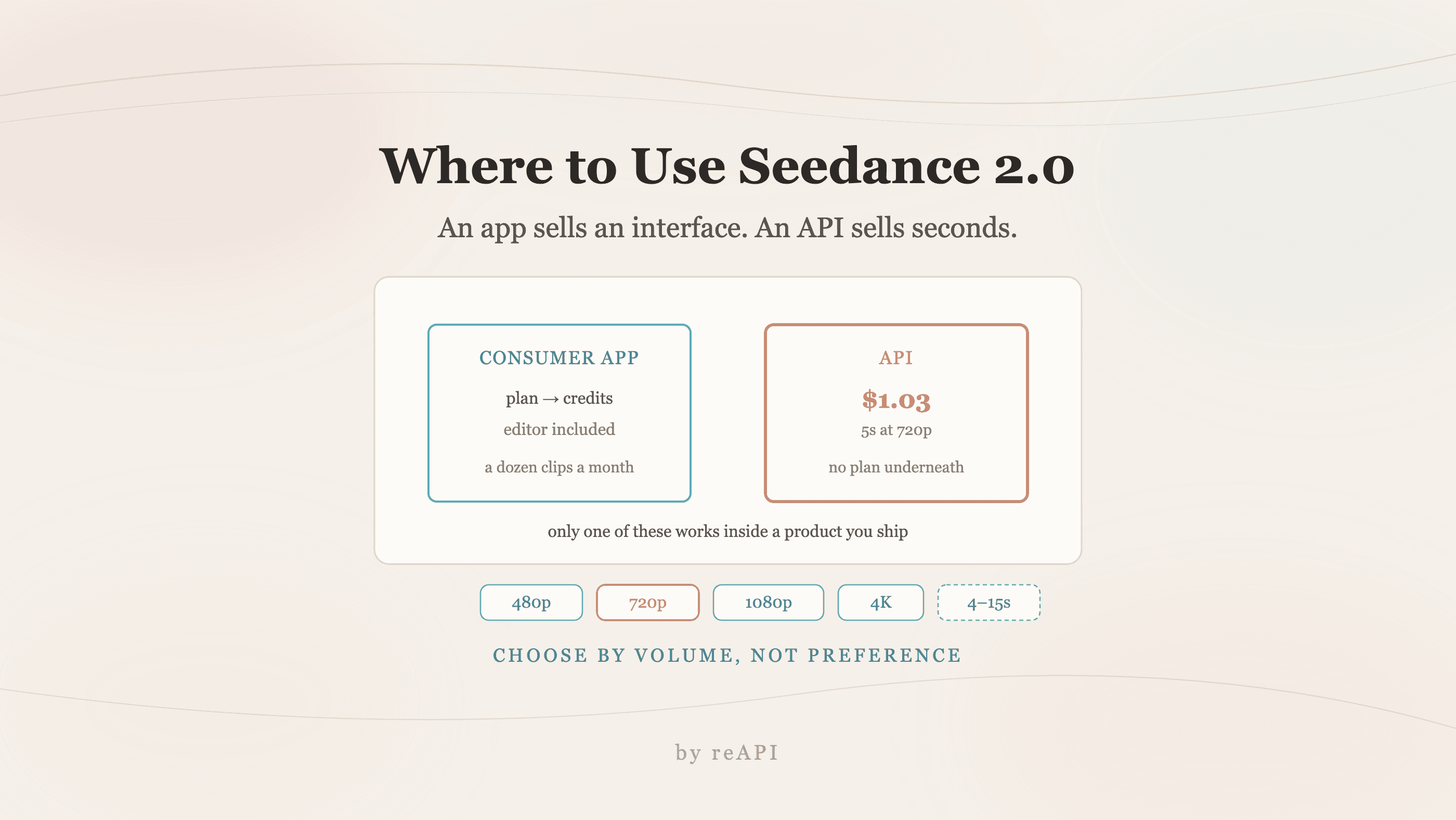
Where to Use Seedance 2.0: Consumer Apps vs the API
Where can I use Seedance 2.0: consumer apps wrap it in a subscription, the API bills per second with no plan. Real rates, the 4-15s cap, and how to choose.

Seedream 5.0 Pro Bugs: Documented Limits and Retests
Separate documented Seedream 5.0 Pro request limits and defaults from visual defects that require a controlled retest.

Seedream 5.0 Pro Seedance 2.5 Workflow: What Actually Ships
Build a live Seedream 5.0 Pro to Seedance 2.5 workflow on reAPI. See current model IDs, pricing, image-first iteration, and working code.

How Long Can Seedance Videos Be? 2.0 at 15s, 2.5 at 30s
Seedance 2.0 generates 4–15 seconds per request; Seedance 2.5 supports 4–30 seconds. See duration settings, current costs, and scene chaining.

How to Use Seedance 2.0 for Free: What Actually Works
The real free routes to Seedance 2.0 in 2026 — Dreamina daily credits, Krea's free tier, what free excludes, and when a dollar of API credit beats all of them.

Seedance 2.0 Character Consistency: References, Voice, Shots
The official way to keep the same character across Seedance 2.0 videos: reference syntax, the 12-slot input budget, voice and lipsync, multi-shot prompts.

Seedance 2.5 Status: API Access, Pricing, and Limits
Seedance 2.5 is live. See the reAPI model ID, 480p/720p pricing, 30-second output, reference limits, and source-video billing rules.

Seedance 2.0 "Not Eligible": Why It Happens, What Works
The Seedance 2.0 not eligible error is face and IP detection under ByteDance's own API rules: what triggers it, what to verify, and what works.