GPT Image 2.5 is live — OpenAI's newest image model, targeted edits that leave the rest of the frame alone

MAI-Image-2.7 Flash: Fast, High-Throughput Image Generation

Iterate faster and scale visual production with MAI-Image-2.7 Flash. Microsoft AI’s speed-optimized image model shares the 2K resolution ceiling and 5-reference editing controls of MAI-Image-2.7 at lower token rates.

Input

Describe the scene to generate or the exact edit to apply (1–20,000 characters).

0/5 files

Upload or paste 1–5 public HTTP(S) image URLs (JPEG, PNG, WebP, or GIF; no base64). Output dimensions follow the references.

Text-to-image only: integer ratio from 1:4 to 4:1 (default 1:1) or WIDTHxHEIGHT.

1K (default) or 2K when size is an aspect ratio. Up to 2048×2048 (4.19 MP).

auto (default) or opaque. Transparent backgrounds are not supported.

Estimated cost~$0.03737 credits
Result

Try one of these prompts

How MAI-Image-2.7 Flash is billed

  • ·Text input, reference-image input, and generated image output each use a dedicated per-million-token rate shown in the table below.
  • ·Submitting a request reserves a provisional estimate. Completion settles on the actual measured tokens at the rate active when you submitted.
  • ·Reference images and higher output pixel counts increase token usage, so final charges reflect actual work rather than a flat per-image fee.
  • ·Failed tasks release their reservation automatically. Each new POST creates an independent task and charge.

Pricing

Live rates per million tokens. Final charges combine measured text input, reference-image input, and image output tokens.

Price calculatormai-image-2-7-flash

Estimate from token usage across the whole request. The final charge uses actual text-input, image-input and image-output tokens.

Your estimate
$0.01956319.563 credits
Per $10
≈ 511 requests

At the token usage entered here. 1 credit = $0.001 USD.

The starting values are an example, not a fixed price per image. Enter totals for all images in a batch; count shared inputs once. Image dimensions alone do not determine the final token usage.

Text input
$1.54
Price · 1M tokens
Image input
$2.20
Price · 1M tokens
Image output
$8.80
Price · 1M tokens

What is MAI-Image-2.7 Flash?

MAI-Image-2.7 Flash is the speed- and cost-optimized sibling of Microsoft AI’s MAI-Image-2.7. Designed for high-volume creative exploration, ecommerce catalog batches, and rapid visual editing, MAI-Image-2.7 Flash keeps the same 20-billion-parameter lineage, 2K pixel budget, and up to 5 reference images while cutting per-token cost substantially.

What you can build with this model

Real-world workflows and production use cases you can build and ship with this model.

MAI-Image-2.7 Flash concept illustration: coordinated minimalist skincare bottle batch

High-volume ecommerce visuals with MAI-Image-2.7 Flash

Generate coordinated SKU backdrops, seasonal refreshes, and clean product flat lays across hundreds of listings without blowing your media budget. MAI-Image-2.7 Flash keeps lighting and proportions tidy at scale.

Explore capabilities
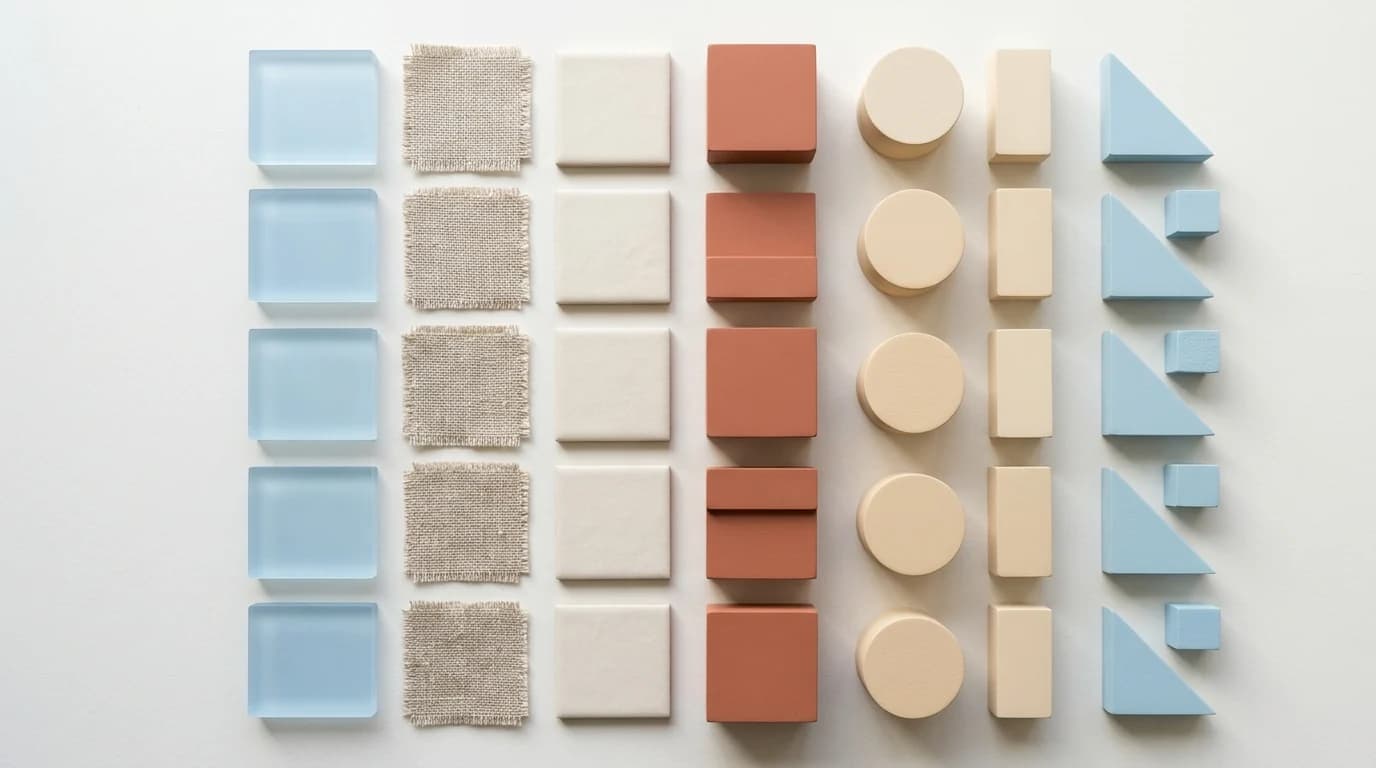
MAI-Image-2.7 Flash concept illustration: material swatch and layout flat lay

Rapid creative ideation in MAI-Image-2.7 Flash

Explore multiple art directions, material palettes, and layout ratios in minutes. Because MAI-Image-2.7 Flash shares an identical request schema with MAI-Image-2.7, winning concepts promote to the flagship model with a single field change.

Read the FAQ
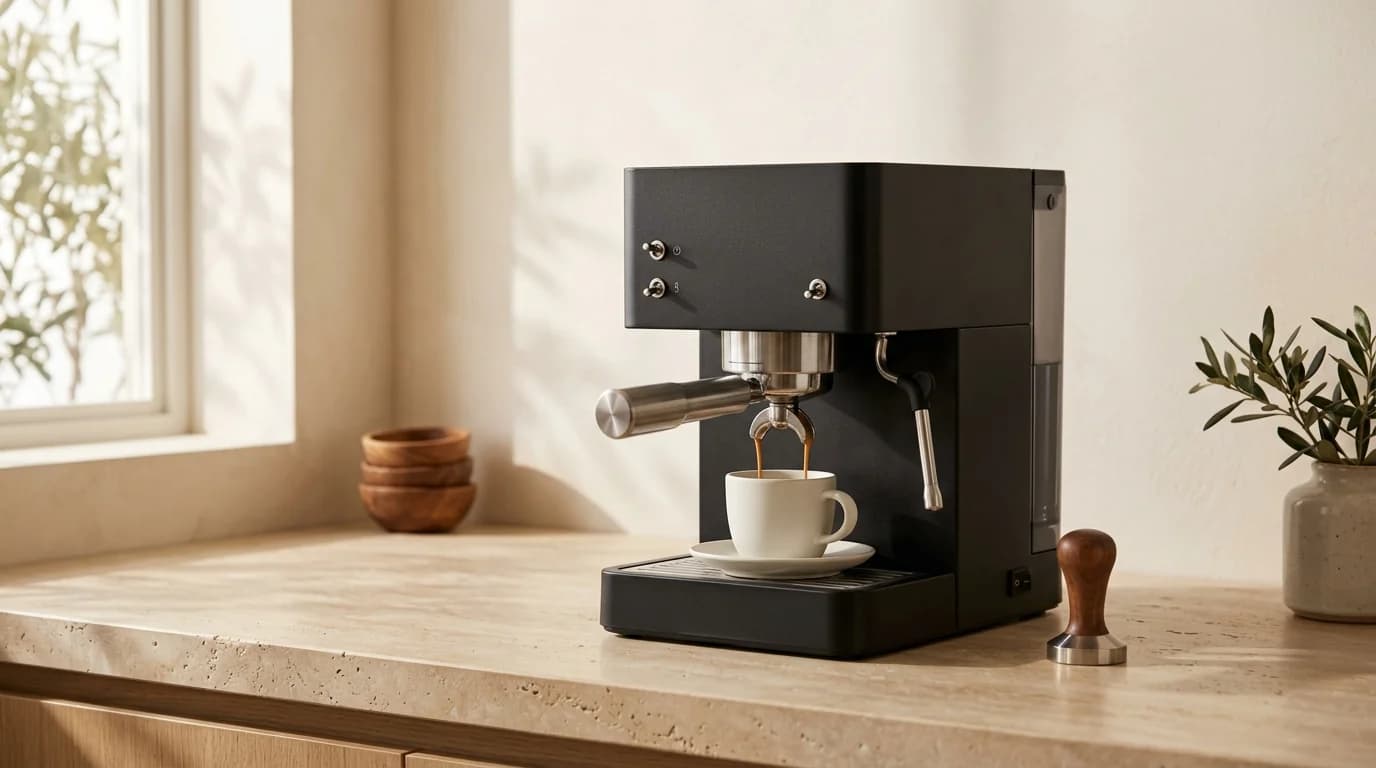
MAI-Image-2.7 Flash concept illustration: matte espresso machine on sunlit limestone counter

Fast reference-based background refreshes with MAI-Image-2.7 Flash

Pass 1–5 product or scene URLs into MAI-Image-2.7 Flash to swap surfaces, refine lighting, or clean distracting details while preserving the core subject and composition.

Why choose MAI-Image-2.7 Flash?

Lower token cost in MAI-Image-2.7 Flash

MAI-Image-2.7 Flash lowers text input, image input, and image output token rates compared with standard MAI-Image-2.7—making automated batch pipelines and interactive user tools practical at volume.

Zero-friction parity with MAI-Image-2.7

Every parameter—prompt, size, resolution, width, height, image_urls, background, and n—matches MAI-Image-2.7 identically. Route draft traffic to MAI-Image-2.7 Flash and hero renders to MAI-Image-2.7 in one codebase.

Full 2K and 5-reference support in MAI-Image-2.7 Flash

Speed optimization does not strip away canvas control. MAI-Image-2.7 Flash still renders up to 4,194,304 pixels and edits up to 5 public reference images per task.

How to work with MAI-Image-2.7 Flash

  1. step 01

    Grab your key and draft your prompt

    Create an access key in your workspace and write a crisp visual brief for MAI-Image-2.7 Flash. Short, concrete descriptions of subject, surface, and lighting produce the cleanest batches.

    Open
  2. step 02

    Set your ratio or attach references

    Choose a 1:4–4:1 aspect ratio at 1K or 2K, specify custom width and height pairs, or pass 1–5 public HTTP(S) reference URLs in image_urls for rapid edits.

    Open
  3. step 03

    Scale batches or promote winners

    Run high-volume jobs on MAI-Image-2.7 Flash, then promote select hero prompts to MAI-Image-2.7 whenever you want flagship finishing detail.

    Open

Capabilities

High-throughput text-to-image

MAI-Image-2.7 Flash turns prompts up to 20,000 Unicode characters into clean studio and editorial PNGs built for rapid iteration.

Up to 5 reference images

Pass 1–5 public HTTP(S) URLs (JPEG, PNG, WebP, or GIF) into MAI-Image-2.7 Flash for localized edits and multi-object scenes.

1K and 2K canvas options

Render at 1K for ultra-economical drafts or step up to 2K (2048×2048 max) when downstream layouts require sharper detail.

Wide ratios and exact pixel pairs

Supports aspect ratios from 1:4 to 4:1, WIDTHxHEIGHT strings, and paired width/height integers (minimum 768 per side, up to 4.19 MP).

Drop-in flagship compatibility

Swap between mai-image-2.7-flash and mai-image-2.7 without rewriting validation, polling, or billing logic.

Measured token settlement

Every completed MAI-Image-2.7 Flash task reports exact text input, image input, and image output tokens so batch unit economics stay transparent.

MAI-Image-2.7 Flash vs MAI-Image-2.7

MAI-Image-2.7 Flash and MAI-Image-2.7 share the same 9-field request contract, 2K pixel cap, and 5-reference editing workflow. Pick Flash for throughput and budget efficiency, or standard 2.7 for hero polish.

Capability
MAI-Image-2.7 Flash
MAI-Image-2.7
Primary positioning
High-throughput speed & lower token rates
Flagship fidelity & hero visual polish
Creation & editing
Text-to-image and multi-reference editing
Reference image limit
1–5 public HTTP(S) URLs
Max pixel budget
Up to 4,194,304 px (2048×2048 at 2K)
Background modes
auto or opaque (no transparent output)
Best workflow fit
Ecommerce batches, A/B creatives, rapid drafts
Final hero campaigns, delicate surgical edits

Sources: Microsoft AI MAI-Image-2.7 Flash documentation and live endpoint specification, checked November 23, 2026. Check the live pricing table for current token rates.

Frequently asked questions

Common questions about this model.

MAI-Image-2.7 Flash is built for high-volume image generation, rapid creative exploration, and fast reference-based editing where turnaround speed and per-image unit cost matter most.

Both models share identical parameters, 1K–2K sizing, and up to 5 reference images. MAI-Image-2.7 Flash runs at significantly lower token rates for scalable batches, while MAI-Image-2.7 focuses on maximum fidelity for flagship hero assets.

MAI-Image-2.7 Flash bills across three token meters: text input, image input, and image output. Admission reserves a provisional estimate, completion settles on actual reported usage, and failed tasks are not charged. See the live pricing table above.

Yes. Both models accept the exact same fields and limits—simply change the model value between mai-image-2.7-flash and mai-image-2.7.

For text-to-image, MAI-Image-2.7 Flash supports integer ratios from 1:4 to 4:1 at 1K or 2K resolution, WIDTHxHEIGHT strings, and paired width/height integers (at least 768 per side, up to 4,194,304 total pixels).

No. Reference images must be 1–5 public HTTP(S) URLs without embedded credentials (JPEG, PNG, WebP, or GIF), and maximum output resolution is 2K (4.19 MP).

When image_urls is provided, MAI-Image-2.7 Flash determines output dimensions from the reference images; size, resolution, width, and height do not override image-to-image dimensions.

No. Only background: "auto" (default) and background: "opaque" are supported. Transparent backgrounds are rejected.

MAI-Image-2.7 Flash returns 1 PNG image per request (n = 1). Submit concurrent tasks when generating multiple variations in parallel.

Yes. Its lower token rates, predictable PNG output, and automatic refund on failed tasks make MAI-Image-2.7 Flash a practical default for high-volume catalog, social, and interactive user pipelines.

Failed tasks automatically release their provisional reservation so you are never billed for undelivered images. Always check your task status before resubmitting after a client timeout.

The three workflow posters are editorial concept illustrations showing batch product, ideation, and editing workflows. Test your own prompts in the MAI-Image-2.7 Flash playground to benchmark output quality for your project.
docs/api/mai-image-2-7-flash

API reference

Drop-in code and the full parameter table.

curl https://api.reapi.ai/v1/images/generations \
  -H "Authorization: Bearer YOUR_API_KEY" \
  -H "Content-Type: application/json" \
  -d '{"model":"mai-image-2.7-flash","prompt":"Overhead flat lay of matte sage packaging boxes on warm travertine stone","size":"1:1","resolution":"1K","n":1}'

Parameter validation failed

Rejected synchronously with the failing field named. Check enum values, ranges, and URL fields — nothing is charged.

Authentication or balance issue

401 means a missing or invalid Bearer key; 402 means the reserve exceeds your balance. Manage keys and credits in the console.

Content or material rejected

Reference material and outputs pass automated moderation. Rejected tasks fail with a clear error and a full refund.

Task failed or timed out

A task that reaches a failed state is never charged — the reserve refunds automatically. Keep the task id and retry when ready.

start building

Ready to ship?

Try it in the playground or grab an API key to integrate now.