Seedance 2.0 vs Kling 3.0: 벤치마크, 가격, 최종 결론
블라인드 테스트 Elo, 사양, 초당 가격으로 Seedance 2.0과 Kling 3.0을 비교합니다. Seedance의 품질 우위와 Kling의 4K·오디오 강점을 확인하세요.
Seedance 2.0 vs Kling 3.0은 2026년 AI 동영상 분야에서 헤비급 타이틀전에 가장 가까운 대결입니다. ByteDance의 블라인드 테스트 챔피언과 네이티브 4K, 업계 최고 수준의 오디오 기능을 갖춘 Kuaishou의 다기능 도전자가 맞붙습니다. 이 글에서는 두 업체의 공식 문서에서 사양을, 주요 두 아레나에서 Elo를, 실제 구매 가능한 모든 경로에서 초당 가격을 수집했으며 2026년 7월 3일에 모두 확인했습니다.
리더보드를 지켜본 사람에게 짧은 결론은 크게 놀랍지 않을 것입니다. 하지만 실제 프로젝트를 결정하는 것은 세부 사항입니다. 품질 격차는 대부분의 예상보다 크고, 반대 방향으로 벌어진 기능 격차도 마찬가지입니다.
핵심 요약
- 블라인드 테스트는 일관되게 큰 차이로 Seedance 2.0을 지지합니다: Artificial Analysis 텍스트 투 비디오에서 Elo 1,222로 #1, Kling 3.0의 최고 버전은 1,106으로 #5입니다[1]. LMArena 이미지 투 비디오에서는 각각 1,474와 1,360입니다[2].
- 사양표에서는 Kling 3.0이 앞섭니다: 네이티브 4K 생성[3], 5개 언어 대사와 다중 캐릭터 음성 배정[4], 시작·종료 프레임 제어, Omni 버전의 최대 7개 참조 이미지[4]를 지원합니다.
- 가격 차이는 평판만큼 크지 않습니다: Kling 3.0 공식 API 요금은 $0.084~$0.42/s[5], Seedance 2.0의 공식 토큰 요금 환산가는 $0.0703~$0.7776/s입니다[6].
- reAPI에서는 두 모델 모두 정가보다 저렴합니다: Kling 3.0은 $0.077/s부터, 4K는 $0.3685/s입니다. Seedance 2.0 Mini는 소스 영상 없이 $0.038/s부터, 소스 영상이 있으면 과금 초당 $0.024부터입니다[7][8].
- Kling 리셀러 가격 차이에 주의해야 합니다: fal.ai는 공식 가격과 정확히 같지만 Replicate는 동일한 등급에 최대 두 배를 청구합니다[9].
- 두 모델은 같은 reAPI 엔드포인트에서 실행되므로 “무엇을 선택할까”에 대한 솔직한 답은 자신의 프롬프트로 진행하는 $2 A/B 테스트입니다.
사양 정면 비교
| Seedance 2.0 | Kling 3.0 | |
|---|---|---|
| 개발사, 출시일 | ByteDance, 2026년 2월 12일[10] | Kuaishou, 2026년 2월 5일[11] |
| 클립 길이 | 4–15s[6] | 3–15s[4] |
| 해상도 | 480p–4K(4K는 10-bit H.265)[6] | 720p, 1080p, 2026년 4월부터 네이티브 4K[3] |
| 참조 입력 | 요청 1회에 이미지 9개 + 동영상 3개 + 오디오 3개[6] | 최대 이미지 7개(Omni), 4개 이미지 요소 융합, 입력 동영상 편집[4] |
| 프레임 제어 | 시작 프레임 기반 모드 | 시작 프레임과 종료 프레임[4] |
| 오디오 | 동영상과 함께 생성[6] | 네이티브 대사 + 효과음, 5개 언어, 다중 캐릭터 음성 배정, 음성 복제 제어[4] |
| 멀티샷 | 프롬프트 기반 | 전용 자동/사용자 지정 Multi-Shot 시퀀싱[4] |
이 표를 다른 관점에서 보면 Kling 3.0은 제작 도구처럼, Seedance 2.0은 참조 자료 융합 엔진처럼 설계됐습니다. Kling은 스토리보드 수준의 제어, 대사 중심 장면을 위한 기능, 전용 네이티브 4K 등급을 제공합니다. Seedance도 전체 Face 경로에서 4K를 지원하며 오디오와 동영상 참조를 포함해 한 번의 요청으로 더 많은 원본 자료를 받습니다. 캐릭터 일관성이 필요한 시리즈 제작이 Seedance로 향하는 이유입니다.
블라인드 테스트가 보여 주는 것
쌍대 블라인드 투표로 계산한 Elo는 조작하기 가장 어려운 공개 지표 중 하나이며, 이번 결과는 한쪽으로 뚜렷하게 기울었습니다.
Artificial Analysis에서 Seedance 2.0(720p)은 Elo 1,222로 텍스트 투 비디오 #1입니다. Kling 3.0 중 가장 높은 1080p Pro는 1,106으로 5위이며 115점 차이입니다. 다른 Kling 버전 3개는 1,094~1,099에 모여 있습니다[1]. 이미지 투 비디오는 1,195 대 1,072로 123점까지 벌어집니다[1]. 115,000표가 넘는 LMArena 이미지 투 비디오 순위에서는 Seedance 2.0이 1,474로 #1, kling-v3-pro가 1,360으로 13위입니다[2]. 7월 3일 현재 LMArena 텍스트 투 비디오 순위에는 Kling 3.0 항목이 없습니다.
115 Elo 차이는 높은 점수의 모델이 블라인드 대결 세 번 중 약 두 번 이기는 수준입니다. 반올림 오차가 아니라 사실적 표현과 움직임 일관성에서 눈에 보이는 품질 차이입니다. 짧은 소셜용 실사 영상에 Seedance 2.0이 기본 추천으로 남는 이유이기도 합니다. 다만 이 순위들은 4K 출력, 언어별 대사 품질, 멀티샷 서사 제어를 측정하지 않습니다. 바로 이 영역이 Kling 3.0의 강점입니다.
Kling 3.0이 실제로 앞서는 영역
네이티브 4K. Kling은 2026년 4월, 업스케일링이 아니라 3840×2160으로 직접 렌더링하는 최초의 네이티브 4K 동영상 모델이라고 소개한 제품을 출시했습니다[3]. Seedance 2.0도 공식 API와 reAPI 공개 Face 경로에서 4K를 제공합니다[6][7]. 현재 reAPI 가격은 이 해상도에서 Kling이 더 낮으므로 이 비교에서는 Kling이 저렴한 4K 경로입니다.
오디오 기능. Kling 3.0은 대사와 효과음을 네이티브로 생성하고, 세 명 이상의 캐릭터에 서로 다른 목소리를 배정하며, 5개 언어와 방언 억양을 지원합니다. 제어 기능으로 특정 음성을 고정할 수도 있습니다[4]. Seedance의 오디오·비디오 공동 생성은 환경음과 동기화에 강하지만, 여러 캐릭터의 대본형 대사는 Kling의 주력 영역입니다.
연출 제어. 시작·종료 프레임 보간, 최대 4개 이미지를 하나의 피사체로 융합하는 요소 참조, 자동 또는 사용자 지정 샷 분할을 지원하는 Multi-Shot 시퀀싱[4] 덕분에 Kling은 더 정교하게 지시할 수 있는 카메라가 됩니다. Seedance는 참조 자료 용량으로 맞섭니다. 한 요청에 이미지 9개와 동영상, 오디오를 함께 넣을 수 있습니다[6].
“지정한 캐릭터가 스토리보드에 따라 정확한 행동을 하고 대사를 말하게 만들기”라면 사양표는 Kling을 지지합니다. “이 참조 자료 묶음으로 가장 설득력 있는 15초를 만들기”라면 투표 결과는 Seedance를 지지합니다.
실제 구매 경로별 초당 가격
먼저 공식 정가입니다. Kling 3.0 API는 초당 고정 요금을 부과합니다. 오디오가 없으면 720p $0.084/s, 1080p $0.112/s이고, 오디오를 포함하면 각각 $0.126과 $0.168, 4K는 $0.42/s입니다[5]. Seedance 2.0 공식 요금은 토큰 기반이며 $0.0703(480p), $0.1512(720p), $0.3742(1080p), $0.7776/s(4K)로 환산됩니다[6].
주요 리셀러도 확인했습니다. fal.ai의 Kling 3.0 가격은 공식 요금과 정확히 같지만 Replicate는 최대 두 배를 받습니다(오디오 없는 Standard $0.168/s, 오디오 포함 Pro $0.336/s)[9]. 같은 모델인데도 2x 차이입니다. 브랜드보다 초당 가격을 확인해야 합니다.
reAPI에서는 두 제품군을 하나의 엔드포인트에서 정가보다 낮은 가격으로 이용할 수 있습니다. Seedance 행은 2026년 8월 17일 프로덕션 요금표로 확인했습니다.
| 등급 | reAPI 요금 |
|---|---|
| Kling 3.0 Standard | $0.077/s(오디오 없음) · $0.11/s(오디오 포함)[8] |
| Kling 3.0 Pro | $0.099/s · $0.1485/s[8] |
| Kling 3.0 4K | $0.3685/s[8] |
| Seedance 2.0 Face | 소스 영상 없음 $0.07125–$0.780/s, 소스 영상 있음 과금 초당 $0.043125–$0.480[7] |
| Seedance 2.0 Fast Face | 소스 영상 없음 $0.062–$0.132/s, 소스 영상 있음 과금 초당 $0.036–$0.080[7] |
| Seedance 2.0 Mini | 소스 영상 없음 $0.038–$0.082/s, 소스 영상 있음 과금 초당 $0.024–$0.050[7] |
비용 결론은 작업에 따라 달라집니다. 720p에서 소스 영상 없이 Seedance Mini는 $0.082/s, Fast Face는 $0.132/s입니다. 1080p에서는 오디오 포함 Kling Pro의 $0.1485/s가 소스 영상 없는 Seedance Face $0.3825/s보다 낮습니다. 4K에서는 Kling $0.3685/s가 Seedance Face $0.78/s보다 약 53% 저렴합니다. Seedance는 소스 영상으로 낮은 요율을 선택하지만 최종 크레디트 계산 전에 그 시간을 초 단위로 올림해 출력 시간에 더합니다.
작업별로 무엇을 선택할까
Seedance 2.0을 선택할 작업은 사실적인 소셜 콘텐츠, 여러 참조 자료를 활용한 캐릭터 일관성, 원본 충실도가 중요한 이미지 투 비디오, Fast와 Mini 등급으로 비용을 40~70% 줄이는 대량 파이프라인입니다. 블라인드 테스트의 격차는 실제이며 시청자도 아레나와 같은 방향으로 선택합니다.
Kling 3.0을 선택할 작업은 4K 납품, 여러 언어의 대화 장면, 스토리보드 중심의 멀티샷 서사, 시작 프레임부터 종료 프레임까지 정밀하게 제어해야 하는 제작입니다. 이런 기능은 장식이 아니라 리더보드가 평가하지 않는 실제 제작 요소입니다.
하나만 고르지 않아도 됩니다. 두 모델 모두 reAPI 동영상 엔드포인트에서 초당 과금으로 실행되며 바꿀 것은 model 문자열뿐입니다. 가장 어려운 프롬프트 세 개를 Seedance 2.0과 Kling 3.0에 실행한 뒤 결과를 나란히 비교하면, 몇 달러로 출력물이 답을 정해 줍니다.
자주 묻는 질문
Seedance 2.0이 Kling 3.0보다 좋은가요?
측정된 품질만 보면 그렇습니다. Artificial Analysis와 LMArena에서 Kling 3.0보다 115~123 Elo 앞섭니다[1][2]. 하지만 제작 기능(4K, 대사, 샷 제어)은 Kling 3.0이 앞섭니다. 무엇이 “더 좋은지”는 프로젝트가 어떤 능력에 비용을 지불하는지에 달려 있습니다.
Seedance 2.0과 Kling 3.0 중 무엇이 더 저렴한가요?
해상도, 오디오, 소스 영상 길이에 따라 달라집니다. Seedance Mini는 소스 영상 없이 $0.038/s부터, 소스 영상이 있으면 과금 초당 $0.024부터지만 후자는 소스와 출력 시간을 모두 과금합니다[7]. reAPI의 4K에서는 Kling $0.3685/s, Seedance Face $0.78/s입니다[7][8].
Kling 3.0의 오디오가 Seedance 2.0보다 좋은가요?
대본형 대사에는 그렇습니다. 5개 언어, 다중 캐릭터 음성 배정, 음성 고정은 공식 문서에 명시된 Kling 3.0 기능입니다[4]. Seedance는 동영상과 오디오를 함께 생성하고 오디오를 참조 입력으로 받을 수 있어 환경음과 음악 중심 클립에 적합합니다[6].
Kling 3.0의 4K는 정말 네이티브인가요?
Kuaishou는 업스케일링이 아닌 3840×2160 렌더링 방식의 최초 네이티브 4K 생성 모델로 소개합니다[3]. 독립 리더보드는 아직 4K 출력을 평가하지 않습니다. “네이티브”는 문서화된 주장으로, “4K에서 더 우수하다”는 평가는 직접 결과를 보고 판단해야 합니다.
플랫폼마다 Kling 3.0 가격이 크게 다른 이유는 무엇인가요?
리셀러 마진 때문입니다. fal.ai는 Kling 공식 초당 가격과 같고, Replicate는 동일한 등급을 최대 2x로 게시하며[9], reAPI는 정가보다 낮습니다[8]. 모델은 같으므로 비교의 핵심은 초당 가격입니다.
하나의 API에서 두 모델을 A/B 테스트할 수 있나요?
네. 두 모델 모두 reAPI의 비동기 동영상 엔드포인트에서 초당 과금과 가입 크레딧으로 제공됩니다. 요청 사이에서 바꾸는 것은 model 필드뿐입니다[7][8].
실제 프로젝트에서도 유효한 결론
Seedance 2.0 vs Kling 3.0을 결투가 아니라 역할 분담으로 보세요. 체감 사실성이 승부를 가르는 작업에는 아레나 수치가 Seedance를, 더 저렴한 4K·대사·샷 단위 제어에는 사양표가 Kling을 지지합니다. 가격대가 충분히 겹치므로 비용만으로 승자를 정할 수 없고, 같은 엔드포인트에서 모델 문자열 하나만 바꾸면 전환됩니다. 자신의 자료로 A/B 테스트하세요. 저희 경험상 Seedance 2.0 vs Kling 3.0의 승자는 취향보다 사용 사례에 따라 더 자주 바뀝니다.
참고 자료
- Artificial Analysis. 텍스트 투 비디오 및 이미지 투 비디오 리더보드. 2026년 7월 artificialanalysis.ai/video/leaderboard/text-to-video에서 확인
- LMArena. 이미지 투 비디오 리더보드. 2026년 7월 arena.ai/leaderboard/image-to-video에서 확인
- Kling AI(Kuaishou). Kling AI, 네이티브 4K 동영상 모델 공개. 2026년 7월 kling.ai/blog/kling-ai-introduces-native-4k-video-model에서 확인
- Kling AI(Kuaishou). Kling VIDEO 3.0 모델 사용자 가이드. 2026년 7월 kling.ai/quickstart/klingai-video-3-model-user-guide에서 확인
- Kling AI(Kuaishou). 개발자 API 가격. 2026년 7월 kling.ai/dev/pricing에서 확인
- BytePlus(ByteDance). ModelArk — Seedance 2.0 사양 및 가격. 2026년 7월 docs.byteplus.com/en/docs/ModelArk/1544106에서 확인
- reAPI. Seedance 2.0 Face, Fast Face, Mini — 모델 페이지, 실시간 가격, 소스 영상 과금. 2026년 8월 17일 reapi.ai/models/seedance-2-0 및 reapi.ai/models/seedance-2-0-mini에서 확인
- reAPI. Kling 3.0 — 모델 페이지 및 현재 가격. 2026년 7월 reapi.ai/models/kling-3-0에서 확인
- Replicate. kwaivgi/kling-v3-video — 가격. 2026년 7월 replicate.com/kwaivgi/kling-v3-video에서 확인
- ByteDance Seed. Seedance 2.0 — 공식 모델 페이지. 2026년 7월 seed.bytedance.com/en/seedance2_0에서 확인
- Kuaishou Investor Relations. Kling AI 3.0 모델 출시. 2026년 7월 ir.kuaishou.com/news-releases에서 확인
더 읽기
- reAPI. Veo 3.1 vs Seedance 2.0. reapi.ai/blog/veo-3-1-vs-seedance-2-0-2026
- reAPI. 2026년 가장 저렴한 Seedance 2.0: 실제 가격 비교. reapi.ai/blog/cheapest-seedance-2-0-2026
- reAPI. Kling 3.0 API 문서. reapi.ai/docs/kling-3-0
작성자

카테고리
더 많은 게시물
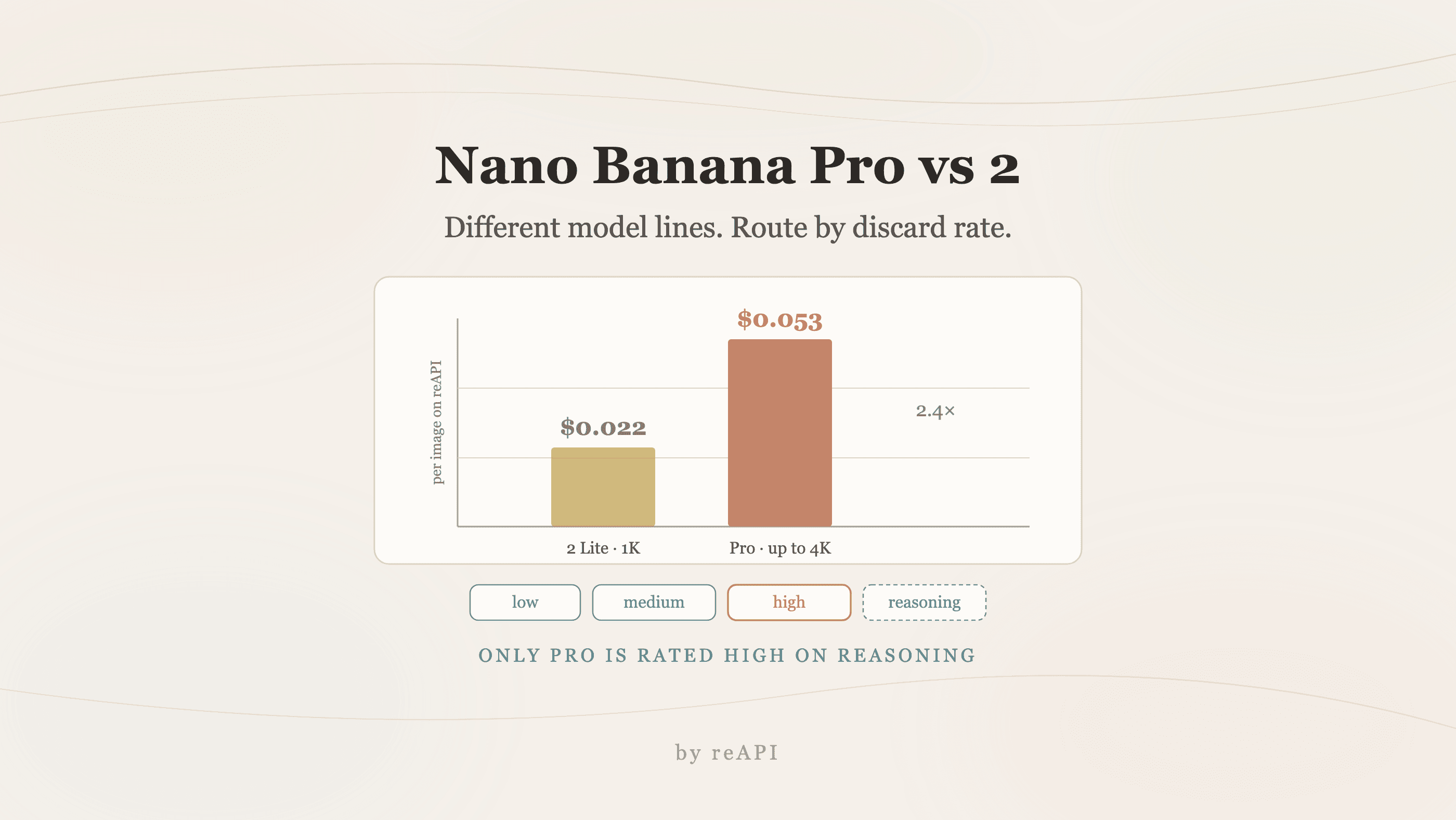
Nano Banana Pro vs 2: tier 선택
Nano Banana Pro와 2는 다른 모델 라인입니다. Pro만 reasoning 평가가 높고, 최적 라우팅 규칙은 discard rate입니다.
2026년 가장 저렴한 Seedance 2.5: 실제 API 비용 비교
Seedance 2.5의 가장 저렴한 옵션을 찾으세요. 해상도별 API 요금, 10초당 비용, 참조 영상 청구, 구독 크레딧 한도를 비교하여 합리적인 선택을 하세요.
AI 뮤직비디오 생성 API: 음악·사진·가사로 전곡 영상 만들기
10초~5분 음악 파일과 1~7개 참고 이미지로 완성된 뮤직비디오를 한 번의 비동기 API 요청으로 생성하는 방법, 자막 옵션, 정확한 가격표를 정리했습니다.