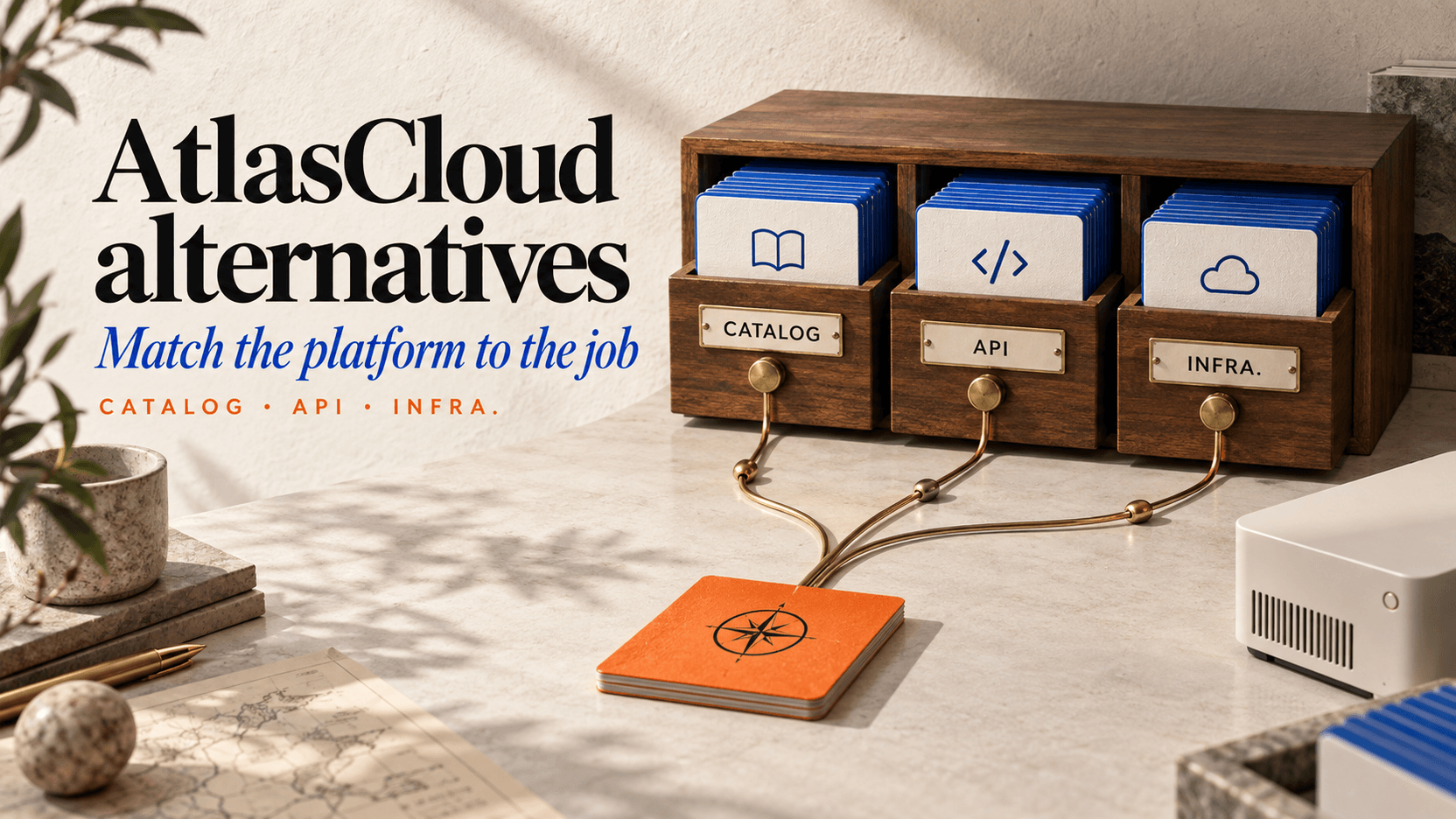
Atlas Cloud AI 대안: 리뷰, 가격 비교, 믿을 만한지 점검
Atlas Cloud AI 대안을 찾고 계신가요? Nano Banana Pro, Seedance, Wan 가격을 비교하고 Atlas Cloud AI가 믿을 만한 서비스인지 점검한 리뷰입니다.
Atlas Cloud는 스스로를 "풀모달 AI 추론 플랫폼"이라고 소개합니다. 채팅, 이미지, 비디오, 오디오를 하나의 OpenAI 호환 API로 제공하고, 400개가 넘는 모델을 담은 카탈로그와 신규 모델을 출시 당일에 올린다는 약속을 함께 내세웁니다[1]. 자사 문서에서는 자신들이 가격으로 파고드는 기존 사업자로 fal.ai와 kie.ai를 직접 거명하며, 월 최소 사용 금액 없이 초 단위·이미지 단위 종량제로 과금합니다[2]. AtlasCloud 대안을 찾고 있다면 대개 셋 중 하나를 원하는 상황입니다. 같은 이미지·비디오 모델을 더 싸게 쓰거나, 영업 미팅 없이도 읽히는 청구서를 받거나, 대표 가격이 수시로 바뀌는 프로모션이 아닌 플랫폼을 쓰는 것입니다.
이 글은 미디어 작업의 승부를 가르는 축, 즉 같은 모델이 실제로 얼마인지를 기준으로 다섯 개의 AtlasCloud 대안을 비교합니다. 여기에 카탈로그 폭, API 형태, 각 서비스가 어디에 맞는지도 함께 정리했습니다. 네 곳은 그 자체로 독립된 플랫폼입니다. fal.ai, Replicate, Together AI, RunPod입니다. 다섯 번째는 저희가 직접 만드는 reAPI이므로, 그 섹션은 출처를 감안하고 읽어 주십시오. 아래 수치는 모두 2026년 7월 기준 각 벤더의 공식 페이지에서 확인한 값이며, 가격은 바뀌므로 도입을 확정하기 전에 직접 확인하시기 바랍니다.
TL;DR
- fal.ai는 미디어 중심이라는 점에서 가장 가까운 대안입니다. 가장 빠른 디퓨전 엔진 위에 1,000+ 이미지·비디오·오디오 모델을 올려두었지만, 모델마다 엔드포인트가 따로 있고 OpenAI 호환은 아닙니다[4].
- Replicate는 거의 모든 모델을 하나의 predictions API로 실행하고 직접 만든 모델도 배포할 수 있게 해 주지만, 그 대가로 과금이 파편화되어 있고 OpenAI 엔드포인트가 없습니다[6].
- Together AI는 실제 GPU 클러스터와 그대로 갈아 끼울 수 있는 OpenAI 호환성을 갖춘 오픈소스 LLM 클라우드입니다. 미디어 생성은 텍스트 중심 카탈로그에 얇게 얹힌 부가 기능입니다[8].
- RunPod은 GPU 우선(H100 SXM $3.29/hr부터)이고 이제는 매니지드 미디어 엔드포인트도 제공하지만, 미디어 쪽은 하나로 통합된 API가 아니라 흩어져 있는 카탈로그입니다[11].
- reAPI는 동일한 대표 미디어 모델을 REST 미디어 게이트웨이에서 제공하고, 채팅에는 별도 OpenAI 호환 게이트웨이를 사용합니다. 두 워크스페이스의 키와 잔액은 별도입니다. 2026년 10월 5일 기준 reAPI의 정가는 Nano Banana Pro(Atlas Cloud 표준 등급 대비 79–86% 낮음), GPT Image 2, Seedance 2.0, Wan 3.0에서 Atlas Cloud보다 낮았습니다[12].
Atlas Cloud가 잘하는 것과 남는 빈틈
Atlas Cloud의 세일즈 포인트는 탄탄한 추론 엔진 위에 얹은 폭입니다.
강한 지점은 이렇습니다.
- 모든 모달리티를 아우르는 하나의 통합 OpenAI 호환 API. 채팅, 이미지, 비디오, 오디오를 키 하나로 처리하고, OpenAI SDK를 그대로 대체하는 방식으로 판매하며, 스트리밍·배칭·구조화 출력을 지원합니다[1].
- 신규 프런티어 미디어 모델에 대한 출시 당일 접근. 카탈로그에는 최신 비디오·이미지 모델(Seedance 2.0, Kling V3.0, Nano Banana 2, Veo 3.1, Grok Imagine)이 공개 시점과 가깝게 올라옵니다[1].
- 진짜 고처리량 엔진. "Atlas Photon" 스택은 FP4 양자화를 적용한 SGLang 기반이며, Atlas Cloud는 SGLang 협력사로 명시되어 있습니다. 구호가 아니라 실제 근거가 있는 부분입니다[1].
- 엔터프라이즈 대응과 GPU 사업. SOC·HIPAA 인증에 더해, 컴퓨트를 직접 빌리고 싶은 팀을 위한 온디맨드 GPU, 베어메탈, 서버리스 파인튜닝을 제공합니다[3].
팀이 벽에 부딪히는 지점은 이렇습니다.
- 핵심 가격 페이지가 봇 검사와 프로모션 뒤에 있습니다. 공개 모델 가격표는 봇 체크를 통과해야 렌더링되고, "20% off Seedance" 같은 대표 할인은 프로모션이라, 오늘 견적에 적은 숫자가 다음 달에 지불할 숫자가 아닐 수 있습니다[2].
- GPU 가격은 결국 영업 미팅입니다. 컴퓨트는 "from $2.95/GPU-hr"에서 시작한다고 하지만, H100·H200·B200별 요율은 문의 폼 뒤에 있습니다[3].
- 결국 상위 모델을 중계하는 애그리게이터입니다. 가용성과 품질이 자기 소유가 아닌 모델에 얹혀 있으며, 이는 reAPI를 포함한 모든 통합 게이트웨이가 공유하는 구조적 현실입니다.
AtlasCloud 대안을 평가하는 방법
네 가지 질문이면 어떤 기능 목록보다 빠르게 후보를 정리할 수 있습니다.
- 실제로 돌릴 모델의 가격. 대표 "from" 요율이 아니라 실제로 쓰는 해상도와 모드의 가격이며, 그 가격이 안정적인지 프로모션인지도 봐야 합니다.
- 카탈로그 적합성. 필요한 이미지·비디오 모델을 정확히 보유하고 있는지, 신규 모델은 얼마나 빨리 들어오는지 확인하십시오.
- API 형태. OpenAI 호환 채팅에 깔끔한 미디어용 REST를 더해 키 하나로 끝나는지, 아니면 여러 엔드포인트와 SDK를 붙여야 하는지 봐야 합니다.
- 결제 방식. 투명한 단가, 시작용 무료 크레딧, 선불 최소 금액 없음인지, 아니면 좌석 수·견적·영업 관문인지 확인하십시오.
같은 모델이 Atlas Cloud와 reAPI에서 각각 얼마인가
두 플랫폼은 같은 대표 이미지·비디오 모델을 보유하고 있으므로 모델별로 가격을 나란히 놓고 볼 수 있습니다. 아래 Atlas Cloud 수치는 2026년 10월 5일 기준 공개 가격 계산기에서 각 모델의 기본 설정으로 얻은 값이며, Atlas Cloud가 당시 표시하던 프로모션 할인이 이미 반영되어 있습니다. reAPI 수치는 같은 날 모델 페이지에 표시된 정가입니다[2][12].
이미지 모델
| 모델 및 크기 | Atlas Cloud | reAPI | 차이 |
|---|---|---|---|
| Nano Banana Pro, 1K / 2K | $0.14 (developer 등급 $0.049) | $0.030 | −79% (developer 대비 −39%) |
| Nano Banana Pro, 4K | $0.24 (developer 등급 $0.084) | $0.033 | −86% (developer 대비 −61%) |
| GPT Image 2, 1024×1024 | $0.0577 | $0.03 (1K) | −48% |
| GPT Image 2, 2048×2048 | $0.1120 | $0.05 (2K) | −55% |
| GPT Image 2, 3840×2160 | $0.1051 | $0.08 (4K) | −24% |
Atlas Cloud는 Nano Banana Pro를 표준 등급과 더 저렴한 "developer" 등급으로 나눠 제시하며, reAPI의 Default 가격은 두 등급보다 모두 낮습니다. Atlas Cloud의 GPT Image 2 수치는 기본값인 medium 품질에서의 계산기 추정치인데, Atlas Cloud가 이 모델을 토큰 기준으로 과금하기 때문입니다. reAPI의 기본 GPT Image 2 변형은 해상도별 정액을 청구합니다[2][12].
비디오 모델
Atlas Cloud는 비디오를 토큰 기반 추정치로 가격을 매기므로, 아래 초당 수치는 기본 설정의 10초 클립에 대한 계산기 총액을 10으로 나눈 값입니다.
| 모델 및 해상도 | Atlas Cloud | reAPI | 차이 |
|---|---|---|---|
| Seedance 2.5, 480p | $0.140/s | $0.119/s | −15% |
| Seedance 2.5, 720p | $0.302/s | $0.267/s | −12% |
| Seedance 2.0, 480p | $0.090/s | $0.072/s | −20% |
| Seedance 2.0, 720p | $0.194/s | $0.154/s | −21% |
| Seedance 2.0, 1080p | $0.437/s | $0.383/s | −12% |
| Seedance 2.0, 4K | $0.976/s | $0.780/s | −20% |
| Wan 3.0, 480p / 720p / 1080p | 초당 $0.040 / $0.080 / $0.160 | 초당 $0.036 / $0.071 / $0.142 | −10% / −11% / −11% |
| Wan 3.0 Prime, 480p / 720p / 1080p | 초당 $0.061 / $0.126 / $0.252 | 초당 $0.057 / $0.116 / $0.232 | −7% / −8% / −8% |
10초 720p Seedance 2.0 클립으로 환산하면 Atlas Cloud에서 약 $1.94, reAPI에서 $1.54입니다. Atlas Cloud의 비디오 총액은 클립 길이와 설정에 따라 달라지고 프로모션도 바뀌므로, 예산을 확정하기 전에 두 계산기를 모두 확인하십시오[2][12].
비교할 만한 AtlasCloud 대안 다섯 곳
1. fal.ai: 미디어 전용 추론 API
fal.ai는 Atlas Cloud의 미디어 절반을 전업으로 파고든 서비스에 가장 가깝습니다. 스스로를 "개발자를 위한 생성형 미디어 플랫폼"이라 소개하며, 세계의 이미지·비디오·오디오 모델을 한곳에 모아두었습니다[4].
- 하는 일: 속도에 맞춰 튜닝한 추론 엔진 위에서 1,000+ 생성형 미디어 모델을 서비스하고, 그 아래에 서버리스 GPU와 온디맨드 클러스터를 둡니다[4].
- 모델: FLUX, Kling, Veo, Seedance, Nano Banana, Sora, Hailuo, Wan 등, Atlas Cloud가 보유한 것과 같은 프런티어 미디어 라인업입니다[4].
- API: 자체 큐 모델(제출, 상태 폴링, 결과 조회)과 퍼스트파티 클라이언트를 씁니다. OpenAI 호환은 아니며, 모델마다 자체 스키마를 가진 별도의
fal-ai/<model>엔드포인트입니다[4]. - GPU 임대: 가능하며, H100 기준 $1.89/hr부터입니다[5].
- 적합한 곳: 가장 넓고 빠른 미디어 카탈로그를 원하고, 모델마다 따로 연동하는 수고를 감수할 수 있는 팀입니다.
- Atlas Cloud와 비교: 둘 다 미디어 중심이고 fal.ai 쪽 카탈로그가 더 큽니다. 대신 fal.ai는 정규화된 OpenAI 호환 인터페이스 하나가 아니라 모델별 엔드포인트가 늘어선 형태를 줍니다.
2. Replicate: 거의 모든 모델을 실행하고 파인튜닝
Replicate의 문구는 "API로 AI를 실행하라"이며, 오픈소스 모델 실행과 자체 모델 배포에 힘을 싣습니다[6].
- 하는 일: 커뮤니티 모델을 실행하고, Cog로 커스텀 모델을 패키징해 배포하고 오토스케일할 수 있게 하며, 이 모두를 하나의 predictions API 뒤에 둡니다[6].
- 모델: Seedance 2.0, Veo 3.1, Kling v3, FLUX.2, Nano Banana 2와 Pro, GPT Image 2 등 동일한 미디어 대표 모델들이 여기에도 있습니다[6].
- API: 제출하고 폴링하는 predictions 엔드포인트이며 OpenAI 호환은 아닙니다. 과금도 섞여 있어 일부 모델은 하드웨어와 시간으로, 일부는 입력과 출력으로 계산합니다[6].
- GPU 임대: 초 단위 하드웨어 과금으로, H100이 $5.49/hr, A100 80GB가 $5.04/hr입니다[7].
- 적합한 곳: 커뮤니티 모델을 돌리면서 같은 플랫폼에서 자체 커스텀 모델까지 배포하려는 팀입니다.
- Atlas Cloud와 비교: 미디어 폭은 비슷하고 커스텀 배포가 더해지지만, 파편화된 과금과 정규화된 미디어 스키마·OpenAI 엔드포인트의 부재 때문에 비용 예측이 더 어렵습니다.
3. Together AI: GPU를 갖춘 오픈소스 LLM 클라우드
Together AI는 스스로를 "AI 네이티브 클라우드"라 부르며, 오픈 웨이트 LLM을 중심으로 추론, 파인튜닝, GPU 클러스터를 아우르는 풀스택을 제공합니다[8].
- 하는 일: 오픈소스 LLM 추론, 파인튜닝, 순수 GPU 클러스터를 제공하며, 이미지 생성은 텍스트 중심 카탈로그에 덧붙어 있습니다[8].
- 모델: 미디어 쪽으로는 FLUX, GPT Image 2, Wan, Seedance를 보유하지만, 이 글을 쓰는 시점에 Kling, Veo, Nano Banana는 없습니다[8].
- API: 진짜 OpenAI 호환입니다. OpenAI SDK의 주소를
api.together.ai/v1로 돌리면 대부분의 호출이 그대로 동작합니다[9]. - GPU 임대: 가능하며, 온디맨드 기준 H100 $3.99/hr, H200 $5.99/hr, B200 $8.19/hr입니다[9].
- 적합한 곳: 오픈 웨이트 LLM과 파인튜닝을 중심으로 구성되어 있고 미디어는 곁다리로 쓰는 팀입니다.
- Atlas Cloud와 비교: Together는 오픈 LLM 인프라와 클러스터에서 더 강하지만 미디어 카탈로그가 얇습니다. 미디어 중심 워크로드라면 fal.ai, Atlas Cloud, reAPI 쪽에서 얻는 것이 더 많습니다.
4. RunPod: 순수 GPU에 매니지드 미디어 엔드포인트까지
RunPod은 "AI 개발자 클라우드"를 표방하며, 순수 GPU 임대로 출발해 그 위에 매니지드 엔드포인트를 키워 왔습니다[10].
- 하는 일: 30+ GPU SKU에 걸친 GPU 파드, 서버리스 워커, 클러스터를 제공하고, 여기에 호출 단위로 완제품 미디어 모델을 서비스하는 "Public Endpoints"를 더했습니다[10].
- 모델: Public Endpoints에는 이제 Seedance, Kling, Nano Banana Edit과 Pro Edit, FLUX, WAN이 포함되어 더 이상 GPU 전용이 아닙니다[11].
- API: 부분적인 OpenAI 호환이며 vLLM 기반 LLM 엔드포인트에 한정됩니다. 미디어 엔드포인트는 각각 자체 REST 형태를 갖습니다[10].
- GPU 임대: 본업이며, H100 SXM $3.29/hr, B200 $5.89/hr입니다[11].
- 적합한 곳: 저수준 GPU 제어, 빠른 콜드 스타트, 이그레스 비용 없음을 원하면서 매니지드 미디어 엔드포인트도 몇 개 쓰려는 팀입니다.
- Atlas Cloud와 비교: RunPod은 더 싼 순수 컴퓨트와 더 많은 제어권을 주지만, 미디어 쪽은 하나로 큐레이션된 통합 미디어 API가 아니라 흩어진 엔드포인트 묶음입니다.
5. reAPI: 같은 미디어 모델을 더 낮은 정가로
reAPI는 OpenAI 호환 채팅 게이트웨이와 별도 REST 미디어 게이트웨이를 제공합니다. 두 워크스페이스의 키와 잔액은 별도입니다[12]. 카탈로그는 Atlas Cloud의 400+보다 좁고 순수 GPU를 임대하지 않습니다.
- 하는 일: REST 엔드포인트 기반의 비동기 이미지·비디오 생성과 OpenAI 호환 채팅을 제공하며, 1초 미만 페일오버와 요청 무보존 정책을 운영합니다[12].
- 모델: Atlas Cloud를 고를 이유가 되는 바로 그 대표 모델들, 즉 Seedance 2.5와 2.0, Nano Banana Pro, GPT Image 2에 더해 Veo, Kling, Wan을 보유합니다[12].
- API: OpenAI 호환 채팅은
api.reapi.ai/v1, 미디어용 REST는reapi.ai/api/v1을 사용합니다. 각 게이트웨이에 전용 베어러 키와 잔액이 있습니다[12]. - 가격: 1 credit = $0.001의 크레딧 기반이고, 완료된 생성에만 과금하며, 공급자 측 실패와 타임아웃은 자동 환불되고, 자격 요건을 충족하는 신규 계정은 카드 없이 프로모션 테스트 크레딧을 받을 수 있습니다[12].
- 적합한 곳: Atlas Cloud의 대표 미디어 모델을 더 낮은 정가로, 읽히는 청구서와 함께 쓰고 싶은 개발자입니다.
- Atlas Cloud와 비교: Atlas Cloud는 모든 모달리티에 OpenAI 호환 인터페이스를 제공한다고 설명하지만, reAPI는 OpenAI 호환 채팅과 REST 미디어 API를 분리합니다. Atlas Cloud는 순수한 폭, GPU 임대, 엔터프라이즈 컴플라이언스에서 앞섭니다.
AtlasCloud와 대안들 한눈에 비교
| 플랫폼 | 카탈로그 | 미디어 집중도 | OpenAI 호환 | GPU 임대 | 결제 방식 |
|---|---|---|---|---|---|
| Atlas Cloud | 400+ 모델 | 이미지, 비디오, 오디오 + LLM | 예 | 예 ($2.95/GPU-hr부터, 요율은 문의) | 종량제, 프로모션 중심 |
| fal.ai | 1,000+ 미디어 모델 | 미디어 우선 | 아니요 (자체 큐) | 예 (H100 $1.89/hr부터) | 생성 건당 + GPU/hr |
| Replicate | 대규모, 커스텀 배포 포함 | 미디어 및 범용 모델 | 아니요 (predictions) | 하드웨어 시간 기준 (H100 $5.49/hr) | 실행 건당, 혼합 기준 |
| Together AI | 180+ 모델 | LLM 우선, 미디어는 부가 | 예 | 예 (H100 $3.99/hr) | 토큰당, 이미지당, GPU/hr |
| RunPod | 30+ GPU SKU + 엔드포인트 | GPU 우선, 미디어 엔드포인트 | 부분 (vLLM만) | 예 (H100 SXM $3.29/hr) | 시간당 GPU, 호출당 엔드포인트 |
| reAPI | 약 48개 큐레이션 모델 | 이미지, 비디오, 채팅 | 예(채팅); 미디어는 별도 REST/작업 게이트웨이·키·잔액 사용 | 아니요 | 크레딧, 1cr = $0.001, 완료 건당 결제 |
기능에 관한 내용은 2026년 7월 기준 각 벤더의 공식 페이지에서 가져온 것이며, 기능은 바뀌므로 도입을 확정하기 전에 직접 확인하시기 바랍니다.
실제로 결정을 가르는 갈림길
두 가지 질문이면 어떤 기능표보다 빠르게 이 목록이 정리됩니다.
첫째, 원하는 것이 순수 컴퓨트입니까, 완성된 미디어 API입니까? RunPod과 Together·Atlas Cloud의 GPU 쪽은 하드웨어를 빌려주고 원하는 것을 직접 돌리게 합니다. fal.ai, Replicate, reAPI, 그리고 Atlas Cloud의 미디어 쪽은 모델을 호출 하나로 건네줍니다. 워크로드가 "이 비디오를 생성하라"라면 후자를 원하는 것이고, GPU 시간을 사는 일은 대체로 곁길입니다.
둘째, 통합입니까, 모델별입니까? fal.ai와 Replicate는 엄청난 커버리지를 주지만 모델마다 엔드포인트와 스키마가 다릅니다. Together AI와 reAPI의 채팅 게이트웨이는 OpenAI 호환이고, Atlas Cloud도 같은 점을 내세웁니다. 미디어를 제품에 붙이는 상황이라면, 명확히 정의된 인터페이스와 인증 정보가 카탈로그에 모델 몇 개 더 있는 것보다 시간을 훨씬 아껴 줍니다.
OpenAI SDK로 reAPI 호출하기
reAPI의 채팅 게이트웨이는 OpenAI 형식을 그대로 쓰므로 채팅 호출을 옮기는 작업은 base URL 한 줄 변경으로 끝납니다. 이미지와 비디오는 별도의 키와 잔액으로 미디어 REST 엔드포인트를 사용합니다.
from openai import OpenAI

client = OpenAI(
    base_url="https://api.reapi.ai/v1",
    api_key="YOUR_CHAT_API_KEY",
)

resp = client.chat.completions.create(
    model="claude-opus-4-8",
    messages=[{"role": "user", "content": "Draft three taglines for a launch."}],
)
FAQ
Atlas Cloud AI 믿을 만한가요?
Atlas Cloud는 공개 모델 페이지, 문서, 가격 계산기를 갖추고 실제로 운영 중인 API 플랫폼입니다. SOC 2와 HIPAA 인증을 보유하고 있다고 밝히고 있습니다[1][2]. 이는 독립 감사가 아니라 Atlas Cloud 자체의 주장이므로, 프로덕션 트래픽을 옮기기 전에 소액 유료 테스트를 먼저 돌려 보십시오.
Atlas Cloud AI 안전한가요?
Atlas Cloud는 저장 중인 데이터와 전송 중인 데이터를 암호화하며, 더 엄격한 데이터 요건을 위해 전용 인프라 기반의 프라이빗 클라우드 배포를 제공한다고 설명합니다[1]. 민감한 입력을 보내기 전에 데이터 보존 정책과 콘텐츠 정책을 자사 요건과 대조해 확인하십시오.
Atlas Cloud AI란 무엇인가요?
Atlas Cloud는 이미지, 비디오, 오디오, 언어 모델을 하나의 API로 제공하고 GPU 임대도 함께 하는 AI 추론·API 플랫폼입니다[1][3]. reAPI는 이미지·비디오·채팅 모델로 더 좁은 카탈로그를 다루며 GPU는 임대하지 않습니다[12].
Atlas Cloud 가격은 얼마인가요?
Atlas Cloud는 종량제입니다. 위 표에서 보듯 이미지는 장당, 비디오는 초당 가격이 매겨지며 일부 모델은 토큰 기반 추정치로 계산됩니다[2]. 2026년 10월 5일 기준 계산기는 10초 720p Seedance 2.0 클립에 약 $1.94를 제시했고, reAPI에서는 $1.54였습니다[2][12].
Atlas Cloud 무료인가요?
Atlas Cloud는 모델을 써 볼 수 있는 무료 크레딧을 내세우며, 그 이후로는 종량제입니다[1]. reAPI에서는 자격 요건을 충족하는 신규 계정이 카드 없이 프로모션 테스트 크레딧을 받을 수 있습니다[12].
Atlas Cloud AI 다운됐나요?
이 글로는 Atlas Cloud의 실시간 상태를 보여 드릴 수 없습니다. Atlas Cloud는 자사 플랫폼을 높은 동시성과 전담 지원팀을 갖춘 프로덕션급 서비스로 설명합니다[1]. 위 표의 모델에 대해 예비 제공자가 필요하다면, 해당 모델들은 reAPI에서도 사용할 수 있습니다[12].
AtlasCloud 대안 고르기
Atlas Cloud는 실제로 제 몫을 합니다. 400+ 모델, 출시 당일 미디어 접근, 빠른 추론 엔진, GPU 사업을 하나의 OpenAI 호환 API 뒤에 놓습니다. AtlasCloud 대안을 들여다보는 이유는 보통 구체적입니다. 가장 넓고 빠른 미디어 카탈로그라면 fal.ai를, 자체 모델을 실행하고 배포하려면 Replicate를, 실제 클러스터가 딸린 오픈 웨이트 LLM이라면 Together AI를, 순수 GPU 제어권을 원한다면 RunPod을 고르십시오. 원하는 것이 같은 대표 이미지·비디오 모델을 더 낮은 정가로, 읽히는 크레딧 과금과 실패 작업 환불과 함께 쓰는 것이라면, reAPI는 카탈로그 규모보다 비용과 명확성을 중시하는 개발자를 겨냥한 AtlasCloud 대안입니다. 실제 워크로드 하나를 이 중 두 곳에 흘려보내고, 가격과 모델 적합성이 어떤 AtlasCloud 대안을 남길지 결정하게 하십시오.
더 읽어보기
- reapi.ai/models에서 두 게이트웨이에 걸친 이미지·비디오·채팅 모델 전체 카탈로그를 확인할 수 있습니다.
- reapi.ai/models/seedance-2-0과 reapi.ai/models/gemini-3-pro-image-preview에서 위에 사용한 실시간 요율을 볼 수 있습니다.
- reapi.ai/docs/api/quickstart는 OpenAI 호환 채팅 엔드포인트를 몇 줄로 설명합니다.
References
- Atlas Cloud. Homepage, model highlights and FAQ. Retrieved July and October 2026 from atlascloud.ai
- Atlas Cloud. Docs, model pricing, and price calculator — OpenAI-compatible API and pay-as-you-go billing. Calculator prices retrieved October 5, 2026 from atlascloud.ai.
- Atlas Cloud. GPU Cloud — on-demand compute from $2.95/GPU-hr. Retrieved July 2026 from atlascloud.ai/gpus
- fal.ai. Generative media platform for developers — models and quickstart. Retrieved July 2026 from fal.ai
- fal.ai. Pricing — serverless GPUs and per-model rates. Retrieved July 2026 from fal.ai/pricing
- Replicate. Run AI with an API — models and predictions. Retrieved July 2026 from replicate.com
- Replicate. Pricing — hardware and per-run rates. Retrieved July 2026 from replicate.com/pricing
- Together AI. The AI Native Cloud — inference, fine-tuning, and clusters. Retrieved July 2026 from together.ai
- Together AI. Pricing and OpenAI compatibility. Retrieved July 2026 from together.ai/pricing
- RunPod. The AI Developer Cloud — pods, serverless, and vLLM compatibility. Retrieved July 2026 from runpod.io
- RunPod. Pricing — GPU rates and Public Endpoints. Retrieved July 2026 from runpod.io/pricing
- reAPI. Model catalog, model pages and live rates. Retrieved October 5, 2026 from reapi.ai/models
작성자

카테고리
더 많은 게시물

Mammouth.ai 대안 5가지 비교: 2026년 모델·기능 총정리
2026년 Mammouth.ai 대안을 찾고 계신가요? Poe, Perplexity, OpenRouter, HuggingChat, reAPI를 모델 라인업, 기능, 사용 방식 기준으로 비교했습니다.

Kling 4.0 출시일: 10월 정식 출시, Flash는 지금 공개
Kling 4.0 출시일은 2026년 10월이며, Kling 4.0 Flash는 9월 28일부터 얼리 액세스로 제공 중입니다. 공식 사양과 유출 정보 비교, API 제공 시점을 정리합니다.
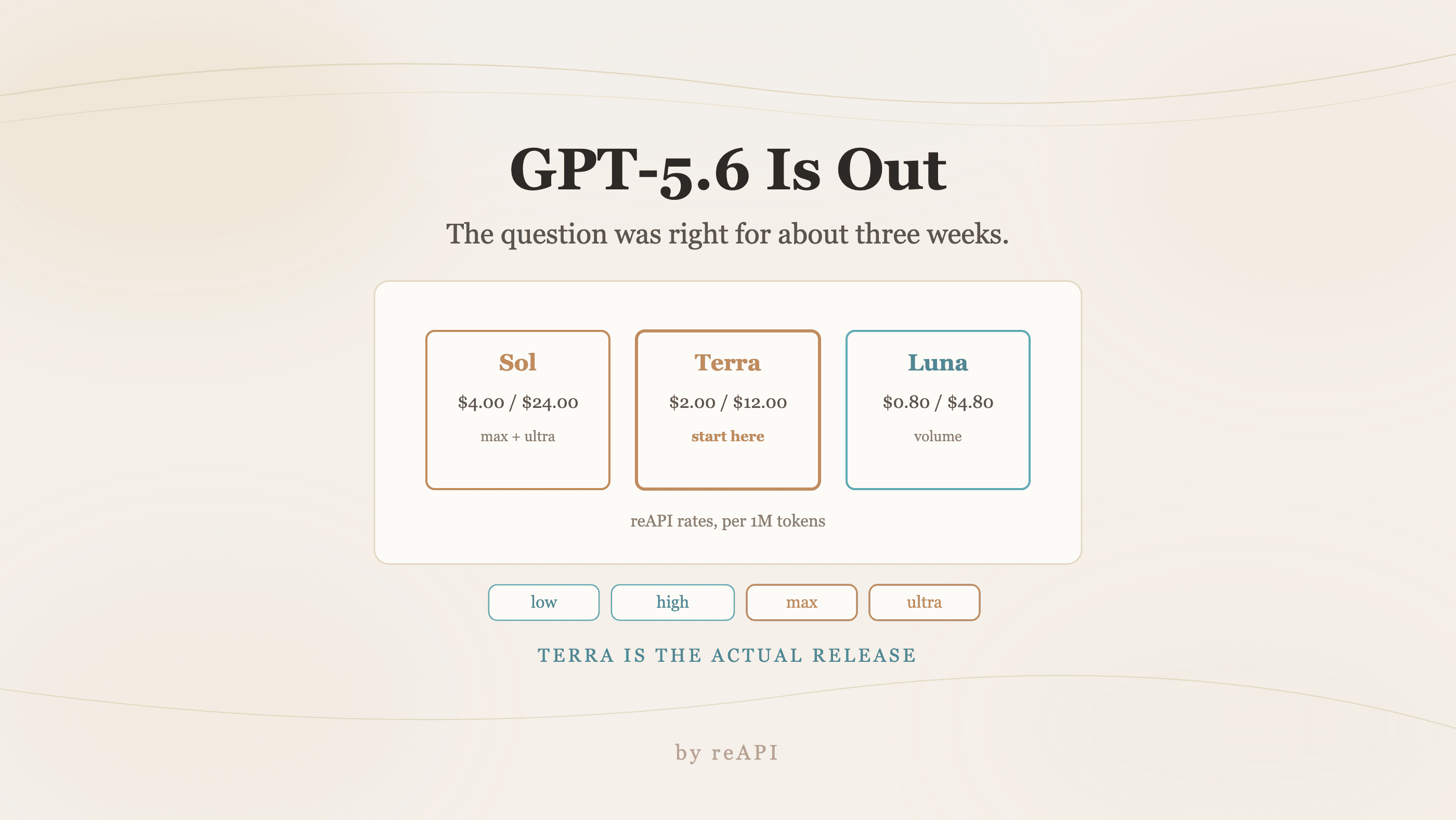
GPT-5.6이 나왔나요? 네, 출시된 것들입니다
GPT-5.6이 출시됐습니다. Sol, Terra, Luna 세 가지 tier로 나왔고, 수주간 제한된 공개로 인해 답변이 충돌했으며, Terra가 마이그레이션할 가치가 있습니다.