Comment utiliser GPT-5.5 : forces d'agent et faille unique
Guide GPT-5.5 : leader en Terminal-Bench, prix réel bien moins élevé, taux d'hallucination 86%, et pourquoi vous avez besoin d'une vérification.
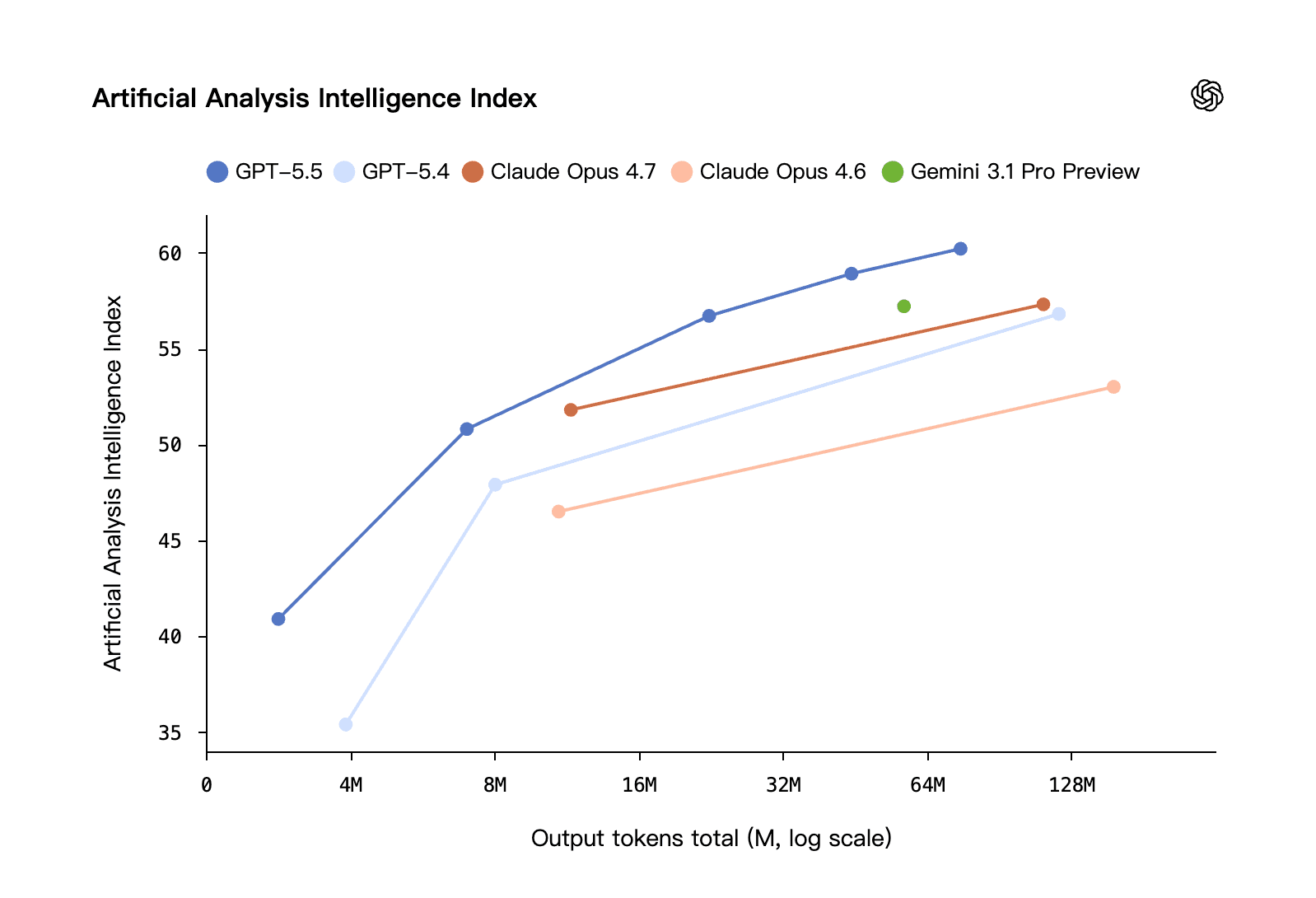
OpenAI a lancé GPT-5.5 le 23 avril 2026, le décrivant comme son premier modèle de base entièrement réentraîné depuis GPT-4.5[1]. En vingt-quatre heures, il a pris la première place de l'indice d'intelligence de l'Artificial Analysis.
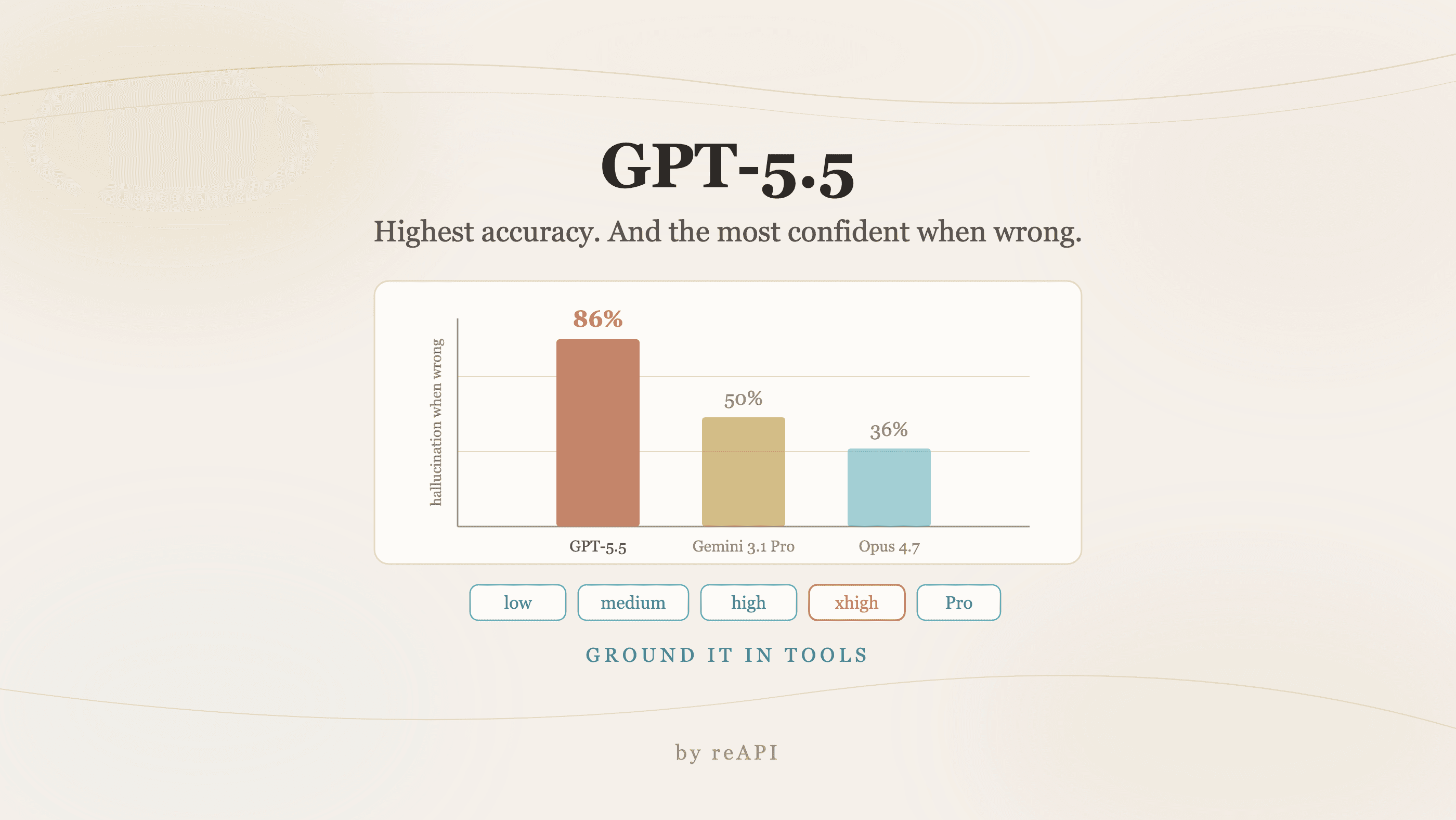
Savoir bien utiliser GPT-5.5 commence par un chiffre inconfortable qui n'a pas fait l'annonce de lancement. Sur l'indice de référence AA-Omniscience, il affiche la précision la plus haute de tous les modèles testés à 57 %, et un taux d'hallucination de 86 % sur les questions auxquelles il se trompe[2]. Claude Opus 4.7 hallucine à 36 % sur la même mesure. Quand GPT-5.5 se trompe, il se trompe avec assurance.
Ce seul fait détermine comment vous devriez le déployer, et ce guide s'organise autour de lui.
TL;DR
- Entraîné de bout en bout en tant qu'agent, pas un modèle de chat avec des outils ajoutés après coup. OpenAI a concentré l'entraînement sur le codage d'agent, l'utilisation d'ordinateur, le travail intellectuel et la recherche scientifique précoce[1].
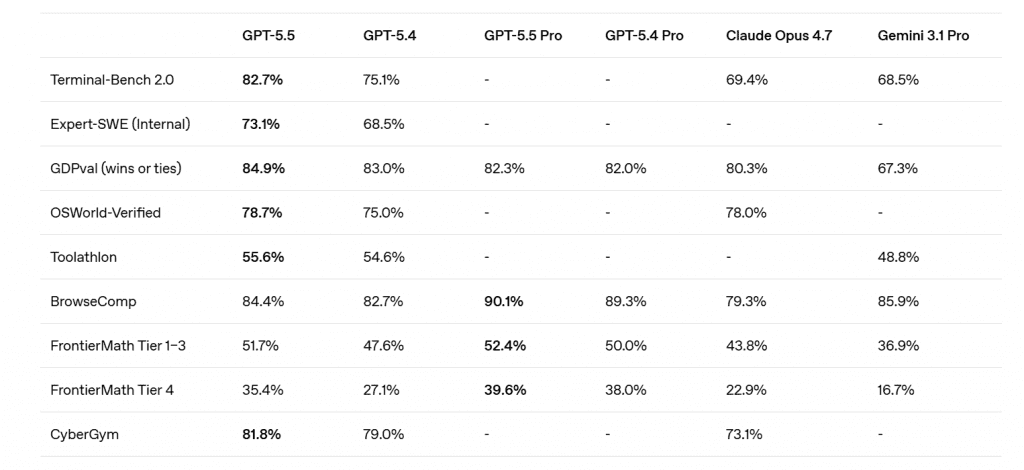
- Terminal-Bench 2.0 à 82,7 %, environ 13 points devant Claude Opus 4.7 et Gemini 3.1 Pro[1].
- La hausse tarifaire est moins importante qu'il n'y paraît. Le tarif est passé de 2,50 $/15 $ à 5 $/30 $, mais environ 40 % de moins de jetons de sortie sur les tâches Codex place la hausse effective par tâche près de 20 %[1].
- Sur reAPI, il fonctionne à 4,00 $ / 24,00 $ par million de jetons, 80 % du tarif publié.
- Le profil d'hallucination est le hic. Précision la plus haute, et confiance maximale quand il se trompe[2].
- Le codage reste un match nul. SWE-bench Pro va à Opus 4.7, 64,3 % contre 58,6 %[1].
Ce qu'est GPT-5.5
GPT-5.5 est d'abord un modèle d'agent, ensuite un modèle de chat. Il existe en deux variantes partageant une fenêtre de contexte de 1M de jetons et une entrée texte plus vision[1] :
- GPT-5.5, avec des niveaux d'effort de raisonnement
xhigh,high,medium,lowet sans raisonnement. - GPT-5.5 Pro, une variante de plus haute puissance qui pousse plus fort sur les tâches à long horizon.
Où il domine
| Benchmark | GPT-5.5 | GPT-5.4 | Claude Opus 4.7 | Gemini 3.1 Pro |
|---|---|---|---|---|
| Terminal-Bench 2.0 | 82,7 % | 75,1 % | 69,4 % | 68,5 % |
| Expert-SWE (interne) | 73,1 % | 68,5 % | n/a | n/a |
| GDPval (gagne ou égale) | 84,9 % | 83,0 % | 80,3 % | 67,3 % |
| OSWorld-Verified | 78,7 % | 75,0 % | 78,0 % | n/a |
| BrowseComp | 84,4 % | 82,7 % | 79,3 % | 85,9 % |
| FrontierMath Tier 1–3 | 51,7 % | 47,6 % | 43,8 % | 36,9 % |
| CyberGym | 81,8 % | 79,0 % | 73,1 % | n/a |
Trois choses dignes de mention[1].
Terminal-Bench 2.0 est la victoire décisive. C'est le proxy public le plus proche pour terminer une vraie tâche d'ingénierie de bout en bout sans aide, et une avance de 13 points à ce niveau de la courbe est inhabituelle.
GDPval importe plus qu'il n'y paraît. Il teste la qualité de la sortie parmi 44 professions contre des professionnels du secteur, et gagner ou égaler 84,9 % du temps, c'est le vrai pitch commercial : parité en travail intellectuel avec un expert du domaine.
SWE-bench Pro est une perte, et la communauté conteste l'indice de référence. GPT-5.5 marque 58,6 % contre 64,3 % pour Opus 4.7, avec des questions ouvertes sur la mémorisation de l'ensemble d'entraînement sur ce test particulier. Traitez l'avance d'Opus avec du scepticisme, mais ne supposez pas que l'écart de codage s'est fermé.
Ce qui est vraiment nouveau
Le détail architectural qui importe n'est dans aucun tableau de résultats : GPT-5.5 a été entraîné de bout en bout en tant qu'agent, avec des attentes natives autour de l'utilisation d'outils multi-étapes, de la lecture d'écran et de la vérification[1].
Appels d'outils multi-étapes sans supervision. OpenAI a démontré que le modèle complète plus de 1 000 appels d'outils séquentiels sans intervention. C'est d'où proviennent les chiffres de Terminal-Bench et OSWorld.
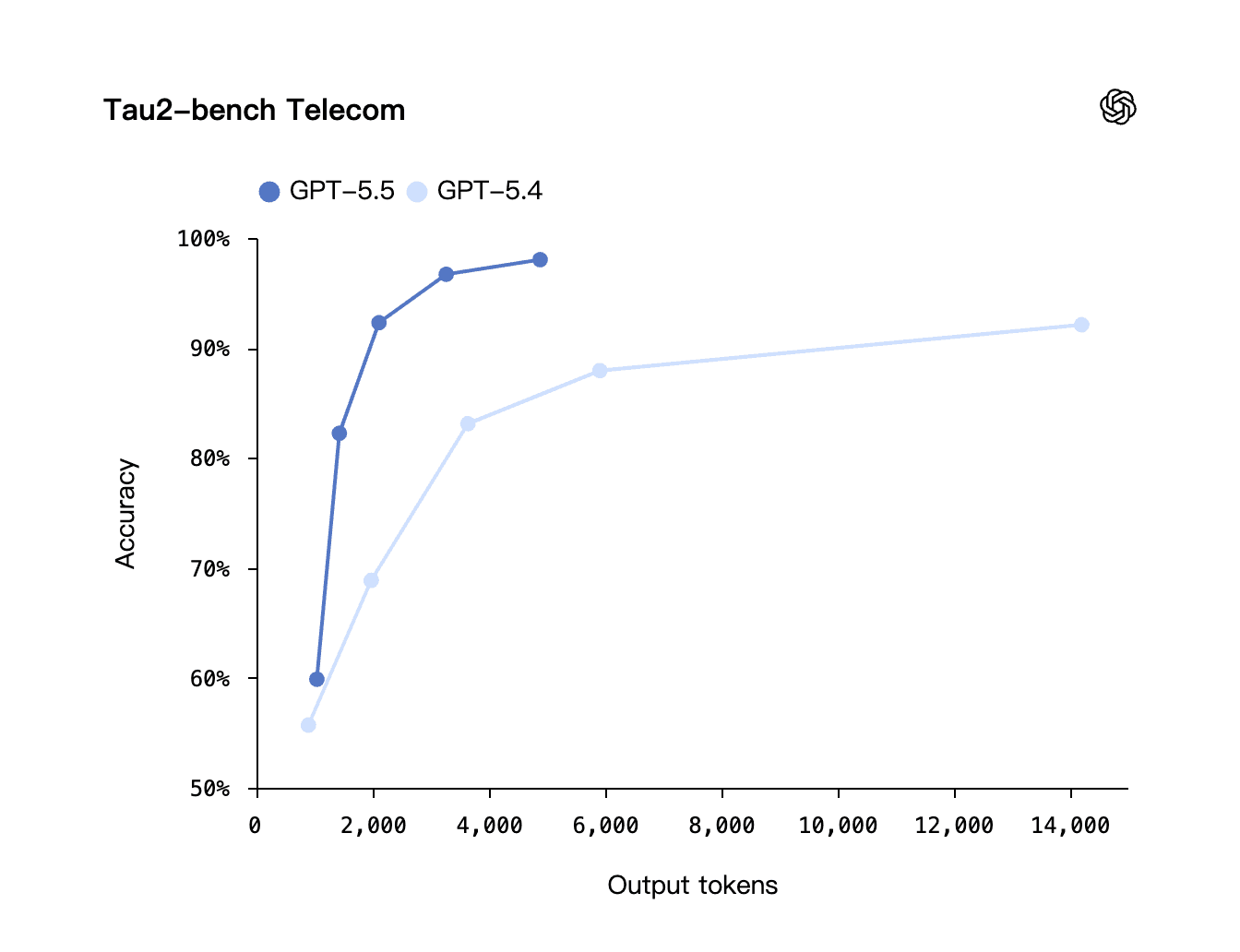
Auto-vérification avant soumission. Le modèle vérifie sa propre sortie avant de la retourner. CodeRabbit a signalé que la détection de problèmes attendue passait de 58,3 % à 79,2 % dans son indice de référence d'examen, avec des réponses plus courtes et un biais plus fort vers de petits changements exploitables[1].
Utilisation d'ordinateur dans Codex. La lecture d'écran est exposée via Codex, permettant au modèle de voir et d'interagir avec des applications de bureau arbitraires.
Le problème d'hallucination
C'est la section que la couverture du lancement a enterrée, et celle qui devrait façonner votre déploiement.
Sur AA-Omniscience, GPT-5.5 affiche la précision la plus haute de tous les modèles testés à 57 %, avec un taux d'hallucination de 86 % sur les questions auxquelles il se trompe. Claude Opus 4.7 se situe à 36 % et Gemini 3.1 Pro Preview à 50 %[2].
En pratique : quand GPT-5.5 se trompe, il ne signale pas l'incertitude. Pour les flux de travail d'agent où le modèle prend des actions réelles sur des systèmes réels, c'est un mode de défaillance non trivial.
L'explication la plus probable est qu'OpenAI a optimisé pour la confiance d'agent, entraînant le modèle à agir plutôt qu'à déférer. Ce compromis est rationnel pour les flux de travail lourds en outils et coûteux pour la pure réponse aux questions.
Deux atténuations fonctionnent vraiment :
Augmentez l'effort de raisonnement. Utilisez xhigh pour tout ce où la qualité de la sortie importe plus que la latence. Des efforts plus élevés réduisent visiblement l'hallucination sur les tâches testées.
Ancrez-le dans les outils. Lectures de fichiers, exécution de tests, résultats de recherche. La force de GPT-5.5 est l'utilisation d'outils, alors utilisez les outils pour le vérifier. Une affirmation que le modèle a vérifiée par rapport à un fichier est une sorte d'affirmation différente de celle qu'il a produite de mémoire.
C'est aussi où Opus 4.7 gagne toujours pour la production. Si le coût d'une réponse confiante mais erronée est élevé, un taux d'hallucination plus bas importe plus que cinq points sur un indice de référence.
Tarification
| Modèle | Entrée par 1M | Sortie par 1M |
|---|---|---|
| GPT-5.5 | 5 $ | 30 $ |
| GPT-5.5 Pro | 30 $ | 180 $ |
| GPT-5.4 (antérieur) | 2,50 $ | 15 $ |
La lecture naïve est que GPT-5.5 a doublé le prix. La lecture honnête est qu'il est sensiblement plus efficace en jetons, utilisant environ 40 % moins de jetons de sortie sur les tâches Codex pour un travail équivalent, ce qui place la hausse effective par tâche plus près de 20 % que de 100 %[1]. Factorisez un taux de nouvelle tentative plus bas et les charges de travail d'agent en ressortent gagnantes.
GPT-5.5 Pro à 30 $/180 $ s'adresse à un seul cas étroit : la tâche à long horizon et à enjeux élevés où cinq à dix points de référence justifient une prime de coût six fois plus élevée. C'est une petite tranche du vrai trafic.
Sur reAPI, GPT-5.5 fonctionne à 4,00 $ en entrée et 24,00 $ en sortie par million de jetons, soit 80 % du tarif publié.
Une chose à savoir avant de le choisir : sur la même passerelle, GPT-5.6 Sol coûte maintenant moins cher, 3,20 $/16,00 $ (vérifiée le 22 octobre 2026). GPT-5.6 a été lancé en juillet avec les modes de raisonnement max et ultra et un score Terminal-Bench plus élevé. À moins que vos évaluations ne soient déjà calibrées sur le comportement de GPT-5.5, l'argument tarifaire pointe maintenant vers un départ.
Comment utiliser GPT-5.5 : où il s'adapte et où il ne s'adapte pas
Utilisez-le pour le codage d'agent à long horizon, les tâches d'utilisation d'ordinateur dans Codex, les flux de travail de recherche qui naviguent et synthétisent, le raisonnement mathématique et le travail intellectuel multi-professionnel où le résultat GDPval de 84,9 % est un signal crédible[1].
Ne l'utilisez pas pour les tâches où le coût d'hallucination est élevé et que vous ne pouvez pas envelopper l'appel de vérification, les charges de travail de codage pur où Opus domine toujours sur SWE-bench Pro, ou le trafic de volume élevé sensible aux prix où des modèles moins chers le sous-cotent de cinq à dix fois par jeton.
Appeler GPT-5.5 sur reAPI
Le point de terminaison est compatible avec OpenAI, donc la chaîne de modèle est le seul changement. Notez que le fil d'identifiant conserve le point :
from openai import OpenAI

client = OpenAI(
    api_key="YOUR_REAPI_KEY",
    base_url="https://api.reapi.ai/v1",
)

resp = client.chat.completions.create(
    model="gpt-5.5",
    messages=[{"role": "user", "content": "Read the failing test, find the bug, and patch it."}],
    max_tokens=16000,
    stream=True,
)
Étant donné le profil d'hallucination, le détail d'intégration qui importe le plus n'est pas la forme de la requête. C'est si le harnais environnant donne au modèle quelque chose pour se vérifier lui-même. Les tarifs se trouvent sur reapi.ai/models/gpt-5-5, et le passage à gpt-5.6-sol ou gpt-5.6-terra est un changement de chaîne unique sur la même clé.
FAQ
GPT-5.5 vaut-il l'augmentation de prix par rapport à GPT-5.4 ?
Pour les tâches d'agent et de travail intellectuel, oui. Le coût par tâche est environ 20 % plus élevé plutôt que 100 %, en raison des gains d'efficacité en jetons, et le saut de qualité est réel. Pour le simple chat ou la génération à faible enjeu, l'ancien modèle offrait un meilleur rapport qualité-prix[1].
Comment GPT-5.5 se compare-t-il à Claude Opus 4.7 pour le codage ?
Opus 4.7 domine SWE-bench Pro d'environ six points avec une hallucination sensiblement inférieure. GPT-5.5 domine sur Terminal-Bench, l'utilisation d'outils d'agent et les tâches à long horizon. Pour la révision et la refactorisation de code, Opus est plus sûr. Pour les boucles d'agent avec outils, GPT-5.5 gagne[1].
Pourquoi GPT-5.5 hallucine-t-il plus qu'Opus 4.7 ?
L'explication la plus probable est l'optimisation pour la confiance d'agent : le modèle a été entraîné à agir plutôt qu'à déférer. Atténuez avec un raisonnement xhigh plus la vérification basée sur les outils[2].
GPT-5.5 peut-il gérer 1M de jetons de manière fiable ?
Oui pour la récupération. Pour un raisonnement complexe sur l'ensemble de la fenêtre, attendez-vous à une dégradation passé environ 200K, comme avec d'autres modèles de contexte 1M. Divisez par chunks ou utilisez la récupération pour le travail à long contexte à enjeux élevés.
Dois-je utiliser GPT-5.5 ou GPT-5.6 ?
Sur reAPI, ils coûtent la même chose, et GPT-5.6 a ajouté les modes de raisonnement max et ultra avec un score Terminal-Bench plus élevé. Restez sur GPT-5.5 uniquement si vos évaluations sont déjà calibrées sur son comportement.
GPT-5.5 génère-t-il des images ?
Non. Il est entrée texte et vision uniquement. La génération d'images dans la pile d'OpenAI est GPT Image 2.
À quoi sert GPT-5.5 Pro ?
Les tâches à long horizon et à enjeux élevés où un gain de point de référence de cinq à dix justifie une prime de coût six fois plus élevée à 30 $/180 $ par million de jetons[1].
Comment définir l'effort de raisonnement ?
Par le paramètre d'effort de raisonnement, avec les niveaux xhigh, high, medium, low et sans raisonnement. Augmentez-le quand la justesse importe plus que la latence[1].
Déployer un modèle confiant avec prudence
La métrique du titre de cette version, le leadership d'indice, est la chose la moins utile à ce sujet. La vraie histoire est un modèle entraîné de la base vers le haut en tant qu'agent, dont les points de référence dominants correspondent tous à la complétude multi-étapes, utile et du monde réel. C'est un centre de gravité différent d'un instrument de précision pour le travail à enjeux élevés en une seule étape.
La règle de déploiement découle directement du chiffre d'hallucination. Donnez-lui des outils et laissez-le se vérifier lui-même, augmentez l'effort de raisonnement quand la justesse bat la latence, et ne laissez jamais une réponse confiante atteindre un utilisateur ou un système de production sans quelque chose contre lequel le modèle peut être vérifié. C'est comment bien utiliser GPT-5.5 : pas comme un oracle, mais comme un agent très capable qui a besoin d'une boucle de vérification autour de lui.
References
- OpenAI. Models — GPT-5.5 specifications, benchmarks, and reasoning-effort levels. Retrieved July 2026 from platform.openai.com/docs/models
- Artificial Analysis. Intelligence Index and AA-Omniscience hallucination measurements. Retrieved July 2026 from artificialanalysis.ai/models
- OpenAI. Pricing — per-token rates by model and tier. Retrieved July 2026 from platform.openai.com/docs/pricing
Further reading
- reAPI. How to use GPT-5.6. reapi.ai/blog/how-to-use-gpt-5-6
- reAPI. How to use GPT Image 2. reapi.ai/blog/how-to-use-gpt-image-2
- reAPI. Model catalog. reapi.ai/models
Auteur

Catégories
Plus d'articles
Meilleures alternatives à Seedance 2.5 : H3 et Veo
Comparez les meilleures alternatives à Seedance 2.5 pour la génération vidéo, notamment MiniMax H3, Seedance 2.0, Veo 3.1, Sora 2, Runway et Kling 3.

API Motion Control Kling : v2.6 vs v3, prix et préparation
Configurez Kling Motion Control v2.6 ou v3 avec les bons paramètres d'orientation, la durée source et le tarif pour minimiser la dérive du visage et du corps.
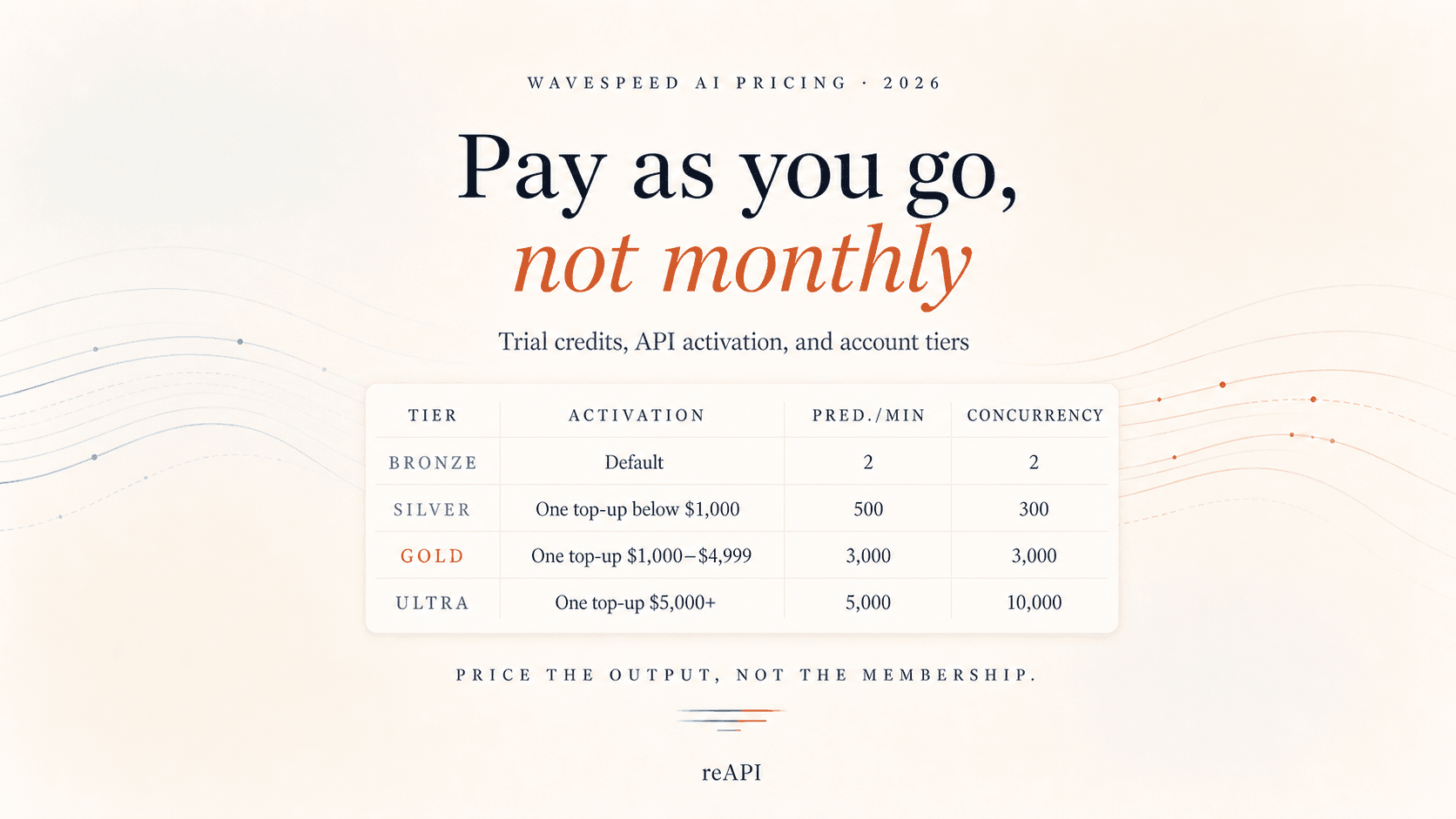
Tarifs WaveSpeed AI: essai gratuit et facturation
WaveSpeed AI fonctionne à la consommation par crédits, sans abonnement. Apprenez son essai gratuit, ses niveaux de compte et ses limites de facturation.