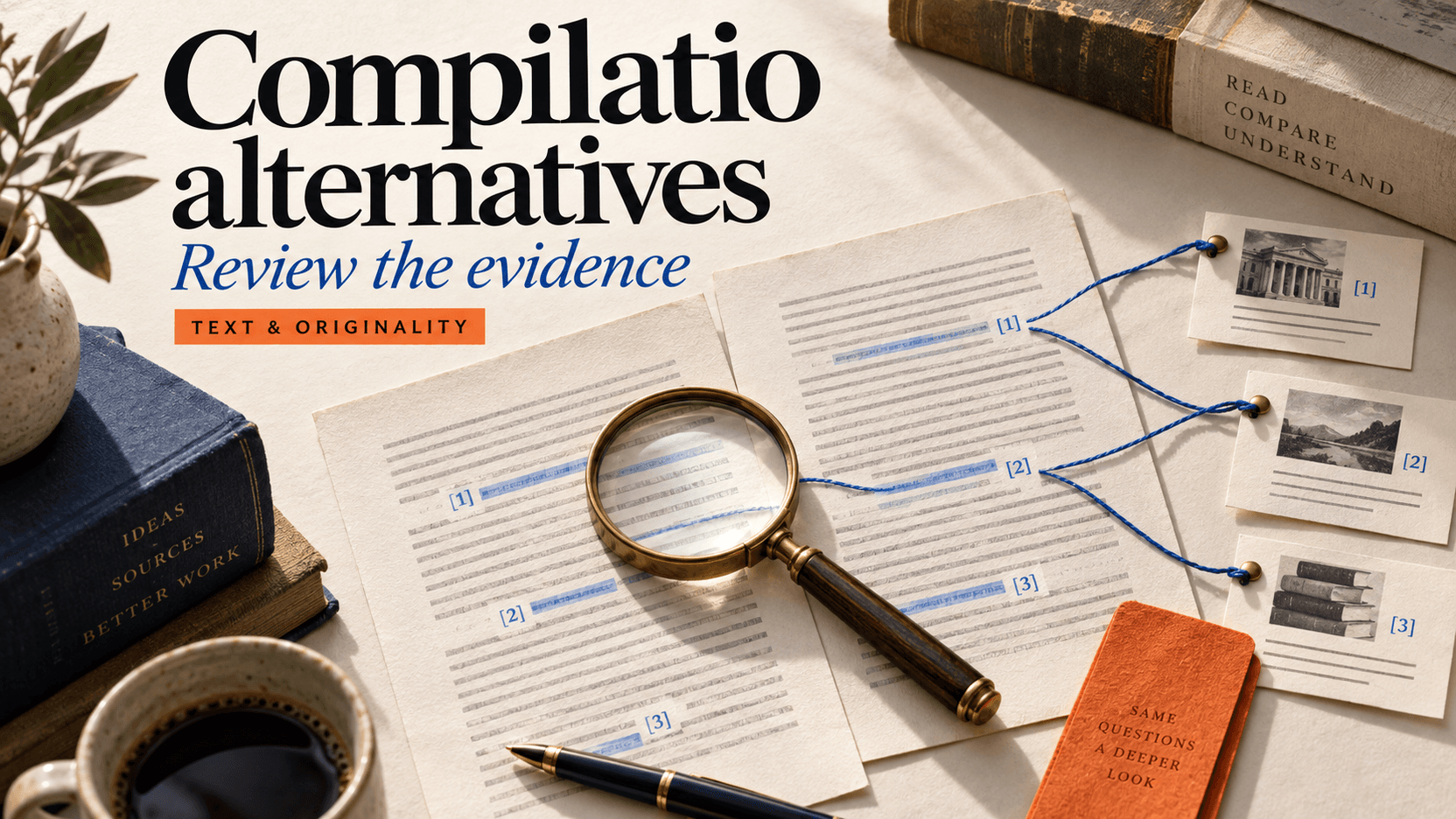
2026년 Compilatio 대안 5가지 비교: 표절·AI 탐지 도구
2026년 Compilatio 대안을 찾고 있다면? Turnitin, Copyleaks, GPTZero, Originality.ai, reAPI가 탐지 범위와 API 제공, 지원 언어에서 어떻게 다른지 비교합니다.
Compilatio는 2005년부터 학교에 표절 탐지를 판매해 온 프랑스 에듀테크 기업이며, 최근 몇 년 사이 같은 플랫폼에 AI 텍스트 탐지를 추가했습니다[1]. Compilatio 대안을 저울질하는 사람은 보통 둘 중 하나입니다. 학문적 진실성을 위한 다른 도구를 원하는 교육자이거나, 탐지 기능 자체를 API로 받아서 무언가를 만들려는 개발자입니다. Compilatio는 앞쪽은 잘 챙기지만 뒤쪽은 전혀 챙기지 못합니다.
이 가이드는 다섯 가지 Compilatio 대안을 실제로 갈리는 지점에서 비교합니다. 무엇을 탐지하는지(표절, AI 텍스트, 또는 둘 다), 대시보드를 주는지 API를 주는지, LMS 연동이 어디까지 닿는지, 그리고 지원 언어가 얼마나 되는지입니다. 넷은 그 자체로 독립된 탐지 제품입니다. 다섯 번째는 저희가 만드는 reAPI인데, 이 점은 먼저 솔직하게 밝히겠습니다. reAPI는 교실용 표절 플랫폼이 아닙니다. 소스 데이터베이스와의 유사도 대조와 교사용 대시보드가 필요하다면, 정직한 답은 저희가 아니라 Compilatio, Turnitin, Copyleaks입니다. reAPI가 맞는 자리는 AI 탐지를 API로 쓰고 싶고, 같은 키 아래에서 휴머나이저와 에세이 생성기까지 함께 쓰려는 개발자입니다. 아래 내용은 모두 각 업체의 공식 페이지에서 가져왔고, 2026년 6월에 확인했습니다.
TL;DR
- Turnitin은 기관 표준입니다. 가장 큰 학술 데이터베이스를 대상으로 하는 유사도 리포트, 170개 언어에 걸친 대조, AI 작성 지표를 갖췄고, 기관에 판매되며 공개 API는 없습니다[4][5].
- Copyleaks는 Compilatio가 하는 일을 하면서 그것을 밖으로 열어 줍니다. 30개 이상 언어의 AI 탐지와 100개 이상 언어의 표절 검사를 하나의 리포트에 담고, 화이트라벨 API 뒤에 붙여 둡니다[6][7].
- GPTZero는 교육을 우선에 둔 AI 탐지로, 문장 단위 하이라이트와 Chrome 확장 프로그램, 그리고 이 목록에서 진입 장벽이 가장 낮은 API를 제공합니다[8][9].
- Originality.ai는 웹 퍼블리셔와 SEO 팀을 위해 만들어졌습니다. AI 탐지, 표절 검사, 팩트체크가 한 제품군에 들어 있고, 최상위 요금제에서 API를 쓸 수 있습니다[10][11].
- reAPI는 0–100 점수를 돌려주는 단 한 번의 API 호출로 AI 탐지를 제공하고, 같은 키로 휴머나이저와 에세이 생성기까지 붙여 줍니다. 개발자 툴킷이지 유사도 검사기도, 교실용 제품도 아닙니다.
Compilatio가 잘하는 것과 남는 빈틈
Compilatio의 강점은 학문적 진실성의 양쪽 절반을 교사를 위해 만들어진 하나의 작업 흐름 안에서 다룬다는 점입니다.
강점은 이렇습니다:
- 표절과 AI를 한곳에서. 유사도 리포트는 출처를 나열하고 텍스트 안에서 일치 구간을 짚어 줍니다. AI 탐지기는 기계가 쓴 것처럼 읽히는 구절을 표시하고 AI 가능성 백분율을 내놓습니다[1].
- 교실을 위해 만들어졌습니다. Magister와 Magister+는 교사용이고 Studium은 학생 자가 점검용이며, 한 기관이 받은 제출물끼리 서로 대조할 수도 있습니다[2].
- LMS에 연결됩니다. 인스턴스마다 발급되는 식별 키를 통해 Moodle, Canvas, Brightspace, Blackboard, Microsoft Teams, Open LMS에 붙습니다[3].
- 유럽식 데이터 관리. 프랑스 기업이고 서버는 프랑스에 있으며, ISO 9001 인증을 받았고 50개국 이상에서 쓰입니다[12].
팀이 벽에 부딪히는 지점은 이렇습니다:
- AI 탐지는 기본이 아니라 등급별입니다. 기본 Magister 요금제는 유사도 검사만 합니다. AI 탐지는 Magister+, Studium, Copyright 제품에 얹혀 있어서, 정작 찾아온 그 기능이 지금 쓰는 요금제에는 없을 수 있습니다[2].
- 셀프 서비스 개발자 API가 없습니다. 여기서 말하는 “API”는 LMS를 위한 기관용 연동 키이지, 아무 개발자나 가입해서 호출할 수 있는 문서 딸린 공개 엔드포인트가 아닙니다[3].
- 무게중심이 유럽 교육에 쏠려 있습니다. 제품 인터페이스는 프랑스어, 영어, 독일어, 스페인어, 이탈리아어, 포르투갈어 여섯 개 언어로 제공되고, 전체가 소프트웨어 팀이 아니라 학교에 맞춰 설계돼 있습니다[12].
- 제품이지 빌딩 블록이 아닙니다. Compilatio는 대시보드에서 운영합니다. 그 탐지 기능을 자기 앱 안에 넣을 수는 없습니다.
Compilatio 대안을 평가하는 방법
다섯 가지 질문이면 후보가 빠르게 정리됩니다:
- 무엇을 탐지해야 합니까? 실제 출처를 대상으로 한 표절인지, AI 생성 텍스트인지, 아니면 둘 다인지.
- 대시보드입니까, API입니까? 로그인해서 업로드하는 제품인지, 직접 짠 코드에서 호출하는 엔드포인트인지.
- 실제로 누가 씁니까? LMS 안의 교사와 학생인지, 자기 제품 안의 자기 사용자인지.
- 언어는 몇 개입니까? 영어만인지, 주요 유럽 언어인지, 아니면 긴 꼬리까지인지.
- 한 가지 일입니까, 툴킷입니까? 탐지만인지, 탐지에 더해 그 옆에 붙는 텍스트 도구까지인지.
2026년 최고의 Compilatio 대안
1. Turnitin: 대규모 기관의 학문적 진실성에 가장 적합
Turnitin은 대부분의 대학이 이미 돌리고 있는 이름이고, Compilatio의 기관용 측면에 가장 가까운 짝입니다[4].
- 무엇을 하는가: 유사도 리포트는 제출물을 학생 아카이브, 유료 출판물, 그리고 20년이 넘는 웹 콘텐츠와 대조합니다. 별도의 AI 작성 지표는 AI가 생성했거나 AI가 바꿔 쓴 것으로 보이는 텍스트를 표시하며, 여기에는 “bypass” 휴머나이저를 거쳐 나온 글도 포함됩니다[4]. iThenticate는 같은 엔진 위에서 출판사와 연구자를 담당합니다[4].
- 탐지 범위: 표절과 AI 작성이며, 유사도 대조는 170개 언어에 걸칩니다[4]. Turnitin은 자사 AI 탐지의 문서 단위 오탐률이 1% 미만이라고 밝히면서, 이 도구는 누군가를 고발하는 것이 아니라 사람이 판단하도록 텍스트를 표시할 뿐이라고 조심스럽게 못박습니다[5].
- 누구에게 맞는가: 신뢰할 만한 진실성 플랫폼 하나를 자기 LMS에 연결해 두고 싶은 학교, 대학, 학술지.
- Compilatio와 비교하면: 같은 일을 더 큰 데이터베이스와 더 넓은 커버리지로 합니다. Compilatio와 마찬가지로 Turnitin도 기관 전용이고 영업을 통해 판매되며, 공개 개발자 API는 없습니다[4]. 플랫폼을 도입하는 것이지, 그 위에 무언가를 만드는 것이 아닙니다.
2. Copyleaks: AI와 표절을 함께 다루면서 API까지 원할 때
Copyleaks는 Compilatio가 하는 일을 대체로 그대로 하고, 거기에 그것을 임베드할 수 있는 API를 쥐여 줍니다[6][7].
- 무엇을 하는가: AI 콘텐츠 탐지입니다. 자체 영어 테스트 기준으로 99%가 넘는 정확도라고 주장하며, ChatGPT, Gemini, Claude 등을 상대로 30개 이상 언어를 다룹니다. 여기에 100개 이상 언어의 표절 탐지가 더해지고, 둘은 하나의 리포트에 담깁니다[6]. 이미지와 영상 속 AI도 표시합니다[6].
- 개발자 접근: AI 탐지, 표절, 문법, 텍스트 모더레이션을 아우르는 화이트라벨 API 묶음이고, 개발자 대시보드와 문서가 함께 제공됩니다[7].
- LMS: Canvas, Moodle, D2L Brightspace, Schoology, Sakai, Edsby, Blackboard[6].
- 누구에게 맞는가: 두 종류의 탐지를 모두 원하면서, 대시보드에 로그인하는 데 그치지 않고 임베드까지 하고 싶은 팀.
- Compilatio와 비교하면: 표절 더하기 AI라는 같은 범위를 다루지만, 진짜 공개 API가 있고 Compilatio에는 없는 멀티모달 탐지까지 합니다.
3. GPTZero: 교육에 초점을 맞춘 AI 탐지와 부담 없는 API
GPTZero는 교사를 위한 AI 탐지로 이름을 알렸고, 결정을 내리기 전에 API를 가볍게 시험해 볼 수 있게 만들어 두었습니다[8].
- 무엇을 하는가: 어떤 구절이 왜 AI처럼 읽히는지 설명해 주는 문장 단위 하이라이트가 붙은 AI 텍스트 탐지에, 표절 검사기와 문법 검사기, 그리고 문서가 실제로 어떻게 쓰였는지 재구성하는 “Writing Replay”가 함께 있습니다[8].
- 언어: 영어, 독일어, 포르투갈어, 프랑스어, 스페인어를 완전히 지원하며, 100개국 이상에서 쓰인다고 밝히고 있습니다[8].
- 개발자 접근: API 키를 담은 POST를 받아 human, mixed, AI 중 하나로 분류하고 문장별 상세 결과를 돌려주는 공개 API가 있고, 여기에 Chrome 확장 프로그램과 Canvas·Google Classroom용 LMS 연결이 더해집니다[8][9]. 몇 번 정도는 계정 없이 문서에서 바로 API를 실행해 볼 수 있습니다[9].
- 누구에게 맞는가: 교실에서 바로 쓸 만한 AI 탐지를 원하는 교육자, 그리고 탐지 API를 몇 분 만에 시험해 보고 싶은 개발자.
- Compilatio와 비교하면: 공개 API를 갖춘 더 강하고 더 투명한 AI 탐지이지만, 표절 쪽은 Compilatio의 출처 대조 깊이보다 가볍습니다.
4. Originality.ai: 웹 퍼블리셔와 콘텐츠 팀에 가장 적합
Originality.ai는 Compilatio와는 다른 독자를 겨냥합니다. 여기서 구매자는 교사가 아니라 퍼블리셔나 SEO 책임자입니다[10].
- 무엇을 하는가: AI 탐지, 표절, 팩트체크, 가독성 점수, 사이트 전체 대량 스캔을 묶은 콘텐츠 진실성 제품군입니다[10]. Lite 모델은 99% 정확도, Turbo는 최신 모델을 상대로 99% 이상, 다국어 모델은 30개 언어에서 97.8%라고 밝히고 있습니다[10].
- 개발자 접근: 스캔 엔드포인트와 AI·표절·팩트체크 토글을 갖춘 API로, 최상위 요금제에서 제공됩니다[11].
- 누구에게 맞는가: 외주로 쓰였거나 AI가 쓴 콘텐츠를 게시 전에 대규모로 검증하는 에이전시와 퍼블리셔.
- Compilatio와 비교하면: 겹치는 탐지 기능을 학문적 진실성이 아니라 콘텐츠 운영 쪽으로 겨눴고, Compilatio가 하지 않는 팩트체크가 있습니다.
5. reAPI: 휴머나이저와 에세이 생성기가 딸린 AI 탐지 API
reAPI는 로그인해서 쓰는 검사기가 아니라 개발자 플랫폼입니다. 단서부터 먼저 답니다. 텍스트를 표절 데이터베이스와 대조하지 않으며, 교사용 대시보드도 LMS 플러그인도 없습니다. 대신 API 호출 한 번으로 AI 탐지를 제공하고, 같은 키 아래에 인접한 텍스트 도구 두 개를 함께 둡니다.
- 무엇을 하는가: AI 텍스트 탐지기는 어떤 텍스트든 AI가 썼을 가능성을 0에서 100까지 점수화하고 엔진별 세부 점수를 돌려주며, 여러 탐지 엔진을 하나의 결과로 묶습니다. 한 번 호출에 최대 30,000단어까지 처리합니다. 같은 키로 AI 티가 나는 문장을 사람이 쓴 것처럼 고쳐 쓰는 휴머나이저와, 주제를 받아 초안을 쓰는 에세이 생성기에도 닿습니다.
- 개발자 접근: 하나의 베이스 URL과 베어러 키 아래 놓인 REST 엔드포인트이고, 비동기 제출 후 폴링 방식입니다. 탐지, 휴머나이즈, 에세이 생성은 같은 계정을 상대로 한 세 번의 호출입니다.
- 누구에게 맞는가: 자기 제품 안에 AI 탐지나 글쓰기 도구를 넣으려는 개발자, 대시보드가 아니라 엔드포인트를 원하는 사람.
- Compilatio와 비교하면: 같은 공간의 정반대 끝입니다. Compilatio는 표절과 AI 탐지를 하는 닫힌 기관용 제품입니다. reAPI는 AI 탐지와 그 주변 텍스트 도구를 하는 열린 API이며, 표절 대조도 교실 계층도 없습니다.
한눈에 보는 Compilatio와 대안 비교
| 도구 | 표절 | AI 탐지 | 공개 API | LMS 연동 | 언어 | 적합한 대상 |
|---|---|---|---|---|---|---|
| Compilatio | 예 | 예 (요금제별 등급) | 아니요 (기관용 키만) | Moodle, Canvas, Brightspace 등 | UI 6개 | 교실 진실성, 유럽 |
| Turnitin | 예 | 예 | 아니요 (영업 중심) | 주요 LMS 플랫폼 | 170 (유사도) | 대규모 기관 진실성 |
| Copyleaks | 예 (100+) | 예 (30+) | 예 (화이트라벨) | Canvas, Moodle, Brightspace 등 | 100+ | 두 유형 모두, 임베드까지 |
| GPTZero | 가벼움 | 예 | 예 | Canvas, Google Classroom | 5개 완전 지원 | 교육용 AI 탐지와 손쉬운 API |
| Originality.ai | 예 | 예 (30) | 예 (최상위 요금제) | 없음 | 30 | 퍼블리셔와 SEO 팀 |
| reAPI | 아니요 | 예 (0–100 점수) | 예 | 없음 | 다국어 리라이팅 | 개발자용 탐지와 텍스트 툴킷 |
기능에 대한 설명은 2026년 6월 기준 각 업체의 공식 페이지에서 가져왔습니다. 기능은 바뀌므로 결정하기 전에 직접 확인하시기 바랍니다.
실제로 결정을 가르는 갈림길
기능 표보다 이 두 가지 질문이 목록을 더 빨리 정리해 줍니다.
첫째, 표절 탐지가 필요합니까, AI 탐지가 필요합니까, 아니면 둘 다입니까? Compilatio, Turnitin, Copyleaks, Originality.ai는 모두 텍스트를 실제 출처와 대조합니다. GPTZero의 표절 기능은 더 가볍고, reAPI는 출처 대조를 아예 하지 않습니다. 베껴 온 구절을 잡아내는 것이 핵심이라면 이 둘은 후보에서 빠집니다.
둘째, 로그인하고 싶습니까, 엔드포인트를 호출하고 싶습니까? Compilatio와 Turnitin은 도입해서 대시보드로 운영하고 LMS에 물려 두는 플랫폼입니다. Copyleaks, GPTZero, Originality.ai, reAPI는 모두 직접 짠 코드에서 탐지를 호출할 수 있게 해 주는데, 탐지가 교사가 손으로 하는 작업이 아니라 제품 안의 기능이 되는 순간 필요한 것이 바로 그것입니다. reAPI는 여기서 한 걸음 더 나아가 휴머나이저와 에세이 생성기를 같은 키 뒤에 두어, AI 텍스트 툴킷이 세 번의 연동이 아니라 한 번의 연동이 되게 합니다.
reAPI 탐지기 호출하기
reAPI는 대시보드가 아니라 API이므로, 연동은 POST 한 번과 폴링으로 끝납니다. 제출하면 작업 ID가 돌아오고, 작업이 완료될 때까지 폴링하면 점수가 output.detection.result에 0–100 스케일로 담겨 옵니다.
import requests

resp = requests.post(
    "https://reapi.ai/api/v1/detect",
    headers={"Authorization": "Bearer rk_live_YOUR_REAPI_KEY"},
    json={
        "model": "ai-text-detector",
        "text": "Paste the passage you want to score for AI authorship here.",
    },
)
task = resp.json()  # poll GET /api/v1/tasks/{id} until status == "completed"
같은 베이스 URL과 키로 /v1/humanize에 닿아 AI 티가 나는 문장을 고쳐 쓰고, /v1/essay로 주제에서 초안을 만들 수 있으므로, 탐지 후 리라이팅 루프는 계정 하나에서 두 번의 호출입니다. 탐지는 제출한 텍스트에만 과금되고 그 밖에는 아무것도 청구되지 않으니, 위험이 낮은 방법은 실제 배치를 한 번 돌려 보고 점수가 자기 판단과 맞는지 확인한 뒤에 그 위에 무언가를 얹는 것입니다.
FAQ
Compilatio에 API가 있습니까?
공개된 셀프 서비스 API는 없습니다. Compilatio는 기관용 LMS 연결을 위한 연동 키를 제공하지만, 직접 가입해서 호출할 수 있는 공개 문서 딸린 개발자 엔드포인트는 없습니다[3]. API가 반드시 필요하다면 Copyleaks, GPTZero, Originality.ai, reAPI가 그것을 갖춘 대안입니다[7][9][11].
표절 검사에 가장 좋은 Compilatio 대안은 무엇입니까?
Turnitin과 Copyleaks의 출처 대조가 가장 깊습니다. Turnitin은 아주 큰 학술 데이터베이스를 상대로 170개 언어를, Copyleaks는 100개 이상 언어를 다룹니다[4][6]. 진짜 필요한 것이 표절 검사라면 이 둘이 AI 우선 도구들보다 낫습니다.
Compilatio는 베낀 텍스트뿐 아니라 AI 텍스트도 탐지합니까?
네, Magister+, Studium, Copyright 제품에서 가능하며, ChatGPT, Gemini, Claude 같은 모델이 썼을 가능성이 높은 구절을 표시합니다[1][2]. 기본 Magister 요금제는 유사도만 검사하므로, AI 탐지 여부는 어떤 요금제를 쓰고 있는지에 달려 있습니다.
reAPI는 표절 검사기입니까?
아닙니다. reAPI는 AI가 생성한 텍스트를 탐지하고 휴머나이저와 에세이 생성기를 제공하지만, 텍스트를 출처 데이터베이스와 대조하지는 않습니다. 표절 검사에는 Compilatio, Turnitin, Copyleaks를 쓰십시오.
영어가 아닌 텍스트를 가장 잘 다루는 Compilatio 대안은 무엇입니까?
Copyleaks는 표절 검사에서 100개 이상, AI 탐지에서 30개 이상 언어를 다루고, Turnitin은 170개 언어에 걸쳐 유사도를 대조하며, Originality.ai는 다국어 AI 모델이 30개 언어를 지원한다고 밝힙니다[6][4][10]. GPTZero는 다섯 개를 완전히 지원합니다[8].
Compilatio Studium처럼 학생이 스스로 점검할 수 있습니까?
GPTZero와 Originality.ai는 둘 다 개인이 자기 글을 스캔하도록 해 주고, Copyleaks는 기관용 요금제와 함께 개인용 요금제도 판매합니다[8][10]. 이에 대한 Compilatio 자신의 답은 Studium입니다[2].
개발자는 어떤 대안을 골라야 합니까?
임베드할 수 있는 탐지를 원한다면 GPTZero의 API가 진입 장벽이 가장 낮고, Copyleaks의 API 표면이 가장 넓습니다[7][9]. 탐지기 하나만이 아니라 AI 탐지에 휴머나이저와 에세이 생성기까지 한 키 아래에 두고 싶다면 reAPI가 답입니다.
알맞은 Compilatio 대안 고르기
Compilatio는 특정한 일을 잘합니다. 유럽 학교를 위한 표절과 AI 탐지를, 교사 대시보드에서 운영하고 LMS에 물려서 제공하는 일입니다. Compilatio 대안을 찾는 이유는 거의 언제나 그 구체적인 사정 중 하나입니다. 더 큰 규모의 기관 표준을 원하면 Turnitin, 두 종류의 탐지를 API와 함께 원하면 Copyleaks, 손쉽게 붙일 수 있는 투명한 AI 탐지를 원하면 GPTZero, 학생을 채점하는 대신 퍼블리셔로서 콘텐츠를 검증한다면 Originality.ai입니다. 정말 필요한 것이 엔드포인트로서의 AI 탐지이고 같은 키에 휴머나이저와 에세이 생성기가 붙어 있는 것이라면, reAPI가 교실이 아니라 개발자를 위해 만들어진 Compilatio 대안입니다. 다만 텍스트를 출처와 대조하지 않는다는 단서는 솔직히 붙여 둡니다. 실제 샘플을 두 도구에 돌려 보고, 직접 눈으로 확인한 점수와 커버리지를 믿으시기 바랍니다.
더 읽을거리
- reapi.ai/docs/ai-text-detector는 어떤 텍스트든 AI 작성 여부를 0–100으로 점수화합니다.
- reapi.ai/docs/humanize는 AI 티가 나는 문장을 사람이 쓴 것처럼 고쳐 씁니다.
- reapi.ai/models는 전체 모델 카탈로그를 보여 줍니다.
References
- Compilatio. Plagiarism and AI content detection — product overview. Retrieved June 2026 from compilatio.net/en
- Compilatio. Magister, Magister+, and Studium — plans for teachers and students. Retrieved June 2026 from compilatio.net/en/magister-plus
- Compilatio. LMS integration — connecting via an identification key per instance. Retrieved June 2026 from compilatio.net/en/lms-integration
- Turnitin. AI writing detection and Similarity products. Retrieved June 2026 from turnitin.com/solutions/topics/ai-writing
- Turnitin. Understanding false positives in AI writing detection. Retrieved June 2026 from turnitin.com/blog
- Copyleaks. AI content detector — accuracy, languages, and plagiarism. Retrieved June 2026 from copyleaks.com/ai-content-detector
- Copyleaks. APIs — AI detection, plagiarism, grammar, and moderation. Retrieved June 2026 from copyleaks.com/api
- GPTZero. AI detector — features, languages, and integrations. Retrieved June 2026 from gptzero.me
- GPTZero. Developers — API reference and quickstart. Retrieved June 2026 from gptzero.me/developers
- Originality.ai. Content integrity suite — AI detection, plagiarism, and fact-checking. Retrieved June 2026 from originality.ai
- Originality.ai. API v2 documentation. Retrieved June 2026 from docs.originality.ai/api-v2-0-new
- Compilatio. Who we are — company, certification, and reach. Retrieved June 2026 from compilatio.net/en/who-are-we
작성자

카테고리
더 많은 게시물
Suno API Key: 키 생성부터 첫 노래 요청과 결과 확인까지
reAPI용 Suno API key를 만들고 Bearer 인증을 설정하세요. 네 언어 예시로 첫 요청을 보내고 오디오 결과를 조회하며 키, 잔액, 작업 오류를 해결합니다.
Seedance 2.5 4K: 출력 제한 및 업스케일링 옵션
Seedance 2.5 4K 출력 제한을 확인하세요. 1080p 비용, Seedance 2.0 4K 생성, reAPI의 업스케일링 워크플로우를 비교합니다.

NSFW 비디오 API 가이드: Seedream, Seedance, Wan, H3
Seedream 5.0 Pro로 성인용 키프레임을 승인한 후 Seedance, Wan, H3로 애니메이션하고 동의 확인을 추가하여 안정적인 NSFW 비디오 API 워크플로를 구축합니다.