
Лучшие альтернативы Replicate в 2026 году: сравнение 5 вариантов
Ищете альтернативу Replicate в 2026 году? Сравните fal.ai, Together AI, RunPod, Hugging Face и reAPI по моделям, ценам, скорости и устройству API.
Replicate запускает тысячи моделей сообщества и проприетарных моделей, благодаря чему предлагает один из самых широких каталогов, доступных через единый API[1]. Этот охват также объясняет, почему команды ищут альтернативы Replicate. Большинство моделей тарифицируется по секундам вычислений, поэтому медленная модель или холодный запуск обходятся дороже прогноза. Качество общественного каталога неравномерно, а OpenAI-совместимого endpoint для существующего кода нет.
В этом руководстве пять альтернатив Replicate сравниваются по критериям, влияющим на решение: выбор моделей, схема оплаты, сложность интеграции и преимущество каждой платформы перед Replicate. Четыре из них независимы. Пятая — reAPI, которую разрабатываем мы. Все цены и возможности ниже взяты со страниц цен или из документации поставщиков по состоянию на 30 мая 2026 года.
TL;DR
- Replicate имеет самый широкий каталог с тысячами моделей, но большинство оплачивается по секундам оборудования. Например, Nvidia A100 80GB стоит $5.04/hour, из-за чего трудно прогнозировать цену одного вызова[1].
- fal.ai быстрее и полностью управляется для медиа, с оплатой за результат — Veo 3 по $0.4/second, FLUX Kontext Pro по $0.04/image — без необходимости думать об оборудовании[3].
- Together AI предоставляет настоящий OpenAI-совместимый API и цены LLM по токенам, но без бесплатного теста и с минимумом $5[6].
- RunPod дает более дешевое чистое время GPU, H100 от $1.99/hour, а Hugging Face размещает модели Hub на инстансах с поминутной оплатой. Оба варианта предназначены для команд, самостоятельно управляющих сервисом[7][8].
- reAPI предлагает более 200 моделей через отдельные чат- и медиашлюзы. Их ключи и балансы не пересекаются.
Сильные стороны и пробелы Replicate
Предложение Replicate — охват и открытость. Можно запустить почти что угодно, упаковать собственную модель и платить только за выполненную работу.
Преимущества:
- Широкий каталог. Тысячи моделей сообщества и проприетарных моделей, новые появляются ежедневно[1].
- Собственные развертывания. Cog, открытый инструмент упаковки Replicate, позволяет опубликовать свою модель как API[1].
- Два режима оплаты. Оборудование по секундам для большинства моделей или оплата за результат у популярных моделей, например FLUX 1.1 Pro за $0.04/image[1].
- Неудачные запуски бесплатны. Для официальных моделей неудачный запуск не тарифицируется[2].
Типичные ограничения:
- Посекундную стоимость трудно прогнозировать. Когда счет зависит от времени работы, холодный запуск или медленная модель незаметно повышают цену, а фиксированную стоимость вызова назвать нельзя[1].
- Нет OpenAI-совместимого endpoint. Replicate использует собственный predictions API, поэтому готовый OpenAI-код напрямую не подключается.
- Неравномерный каталог. Вклад сообщества различается по качеству и сопровождению; не каждая модель готова к продакшену.
- Предоплаченные кредиты сгорают. Купленные кредиты оплачиваются заранее и истекают через год. Частные развертывания оплачиваются за активное время даже при сбое[2].
Как оценивать альтернативу Replicate
Пять вопросов помогут отсеять лишнее:
- Прогнозируемая стоимость. Фиксированная цена за результат или посекундные вычисления, которые нельзя оценить заранее?
- Каталог или отбор. Вам нужно все или проверенный набор для продакшена?
- Совместимость API. Формат OpenAI или отдельный клиент?
- Собственные модели. Нужно развертывать свои или только вызывать размещенные?
- Охват. Только медиа или медиа и передовые LLM за одним ключом?
Лучшие альтернативы Replicate в 2026 году
1. fal.ai: лучший для скорости медиа
fal.ai — специалист по управляемым медиа. Платформа запускает 1,000+ оптимизированных endpoint и настроена на низкую задержку диффузии и видео[4].
- Возможности: Модели изображений, видео, звука и 3D с API очереди, webhook, стримингом и SDK на пяти языках[4].
- Цена: За результат, например Veo 3 по $0.4/second, Kling 2.5 Turbo Pro по $0.07/second и FLUX Kontext Pro по $0.04/image. Предоплаченные кредиты, списание только за успешный результат[3].
- Производительность: fal.ai заявляет самый быстрый инференс для генеративных медиа и доступность 99.99%[4].
- Лучше всего для: Медиа-приложений, которым нужна скорость без аренды и управления GPU.
- В сравнении с Replicate: fal.ai быстрее и полностью управляется для медиа; у Replicate шире каталог и есть развертывание собственных моделей с Cog.
2. Together AI: лучший для открытых LLM
Together AI — вариант для открытых моделей, предлагающий 176 моделей с упором на открытые LLM[6].
- Возможности: Серверный инференс по токенам, выделенные GPU-endpoint, дообучение и OpenAI-совместимый API по адресу
https://api.together.ai/v1[6]. - Цена: По токенам, например Llama 3.3 70B по $0.88 за миллион на входе и выходе, gpt-oss-20B по $0.05 на входе / $0.20 на выходе. Выделенный H100 стоит $6.49/hour[5].
- Производительность: Сильная для чата, зрения и рассуждения.
- Лучше всего для: Стеков с приоритетом открытого кода и языковых моделей.
- В сравнении с Replicate: Together совместим с OpenAI и тарифицирует LLM по токенам; Replicate охватывает больше медиа и произвольных собственных моделей. У Together нет бесплатного теста, минимум составляет $5[6].
3. RunPod: лучший по чистой цене GPU
RunPod сдает GPU посекундно. Если вы готовы самостоятельно управлять сервисом, это дешевле посекундного модельного API[7].
- Возможности: GPU-pod по требованию, серверные worker с масштабированием до нуля, 30+ регионов и развертывание собственных контейнеров[7].
- Цена: Посекундно, без платы за исходящий трафик. H100 PCIe от $1.99/hour, A100 80GB от $1.19/hour, RTX 4090 от $0.34/hour[7].
- Производительность: Полный контроль среды выполнения ценой собственной настройки.
- Лучше всего для: Чувствительных к цене команд, способных упаковывать и запускать свои контейнеры.
- В сравнении с Replicate: RunPod дешевле как чистая инфраструктура; Replicate предоставляет модельный API и упаковку Cog, избавляя от эксплуатации.
4. Hugging Face Inference Endpoints: лучший для выделенных развертываний Hub
Hugging Face размещает любую модель Hub на выделенных автоматически масштабируемых инстансах с поминутной оплатой[8].
- Возможности: Выделенные и автомасштабируемые инстансы с масштабированием до нуля, а также серверный маршрут Inference Providers, напрямую передающий цену поставщика[8][9].
- Цена: CPU от $0.033/hour; GPU T4 по $0.50/hour, L4 по $0.80/hour, A100 80GB по $2.50/hour, с поминутной тарификацией[8].
- Производительность: Подходит для стабильного трафика; масштабирование до нуля добавляет холодный запуск при пробуждении неактивного endpoint[8].
- Лучше всего для: Команд, уже работающих вокруг Hub и нуждающихся в выделенной инфраструктуре.
- В сравнении с Replicate: Оба развертывают собственные модели. Hugging Face связан с Hub и инстансами, Replicate — с Cog и посекундным модельным API.
5. reAPI: лучший для прогнозируемых цен на медиа и LLM
reAPI предлагает более 200 моделей изображений, видео, звука и чата. Чат и медиа используют разные рабочие пространства, ключи и балансы, а цены зависят от модели и задачи и публикуются в live rate card.
- Возможности: Отобранные передовые медиа-модели — Veo 3.1, Seedance 2.0, Wan 2.7, Kling, HappyHorse 1.0, Imagen 4, Seedream 5.0, GPT-Image-2, Gemini 3 Pro Image — плюс передовые LLM — GPT-5, Claude Opus 4.8, Gemini. Чат совместим с OpenAI; изображения и видео используют отдельные медиашлюз, ключ и баланс.
- Цена: Единица расчёта зависит от модели: GPT-Image-2 от $0.0066/image; Seedance 2.0 Mini в 480p — $0.038/секунду результата без исходного видео или $0.024/расчётную секунду с ним (выход плюс округлённая вверх общая длительность исходных видео); Veo 3.1 Fast от $0.207/generation. Кредиты с оплатой по факту по 1 credit = $0.001, без подписки, с бесплатным стартовым балансом.
- Производительность: Те же передовые модели у вышестоящих поставщиков, поэтому качество совпадает с источником; преимущество — прогнозируемая цена и консолидация.
- Лучше всего для: Команд, которым нужны опубликованные тарифы по моделям для медиа и LLM.
- В сравнении с Replicate: reAPI предлагает OpenAI-совместимый чат и REST API для медиа. Чат и медиа используют разные ключи и балансы.
Краткое сравнение Replicate и основных альтернатив
| Платформа | Каталог | Модальности | Модель оплаты | Совместимость с OpenAI | Лучше всего для |
|---|---|---|---|---|---|
| Replicate | Тысячи (сообщество) | Изображения, видео, некоторые LLM | Оборудование по секундам или результат | Нет | Пользовательские + общественные модели |
| fal.ai | 1,000+ медиа-моделей | Изображения, видео, звук, 3D | За результат + кредиты | Нет | Скорость медиа |
| Together AI | 176 моделей | Чат, зрение, изображения, звук | По токенам + выделенный GPU/час | Да | Открытые LLM |
| RunPod | Собственные | Все, что вы развернете | GPU по секундам + serverless | Частично | Чистая цена GPU |
| Hugging Face | Модели Hub | Все, что вы развернете | Инстанс по минутам | Нет | Выделенные развертывания Hub |
| reAPI | 200+ моделей | Изображения, видео, звук, чат | Кредиты с оплатой по факту | Да (чат) | Отдельные ключи для чата и медиа |
Данные о каталогах и ценах взяты с официальных страниц поставщиков в мае 2026 года. Тарифы меняются, поэтому проверьте их перед выбором.
Что цифры говорят о ценах
Главный вопрос Replicate — прогнозируемость. Посекундная оплата оборудования справедлива, но привязывает стоимость ко времени выполнения, которое вы не полностью контролируете.
- Replicate тарифицирует большинство моделей по секундам используемого оборудования: от CPU по $0.09/hour до H100 по $5.49/hour, а некоторые популярные модели — за результат[1]. Быстрая модель дешева, холодная или медленная — нет, и фиксированную цену вызова назвать нельзя.
- fal.ai и reAPI публикуют тарифы по моделям вместо оплаты чистого времени GPU. Изображения часто оплачиваются за результат, а единицы видео зависят от модели[3].
- Together AI тарифицирует по токенам — подходящая форма для чата и неподходящая для сравнения одного рендера[5].
- RunPod и Hugging Face тарифицируют время вычислений, поэтому загруженный endpoint эффективен, а неактивный тратит деньги[7][8].
Честный вывод: Replicate — правильный инструмент, когда нужен его каталог или собственная модель Cog, и неправильный, когда единицу расчёта нужно знать до вызова. Именно здесь выигрывают тарифы по моделям.
Переход с Replicate на reAPI
reAPI использует другой подход: отобранный, готовый к продакшену каталог с прогнозируемыми ценами и встроенным уровнем LLM. Для команды с Replicate меняются две вещи.
Во-первых, цену можно назвать заранее. Фиксированный тариф за результат означает, что рендер GPT-Image-2 стоит $0.0066 при горячем и холодном GPU. В бюджет можно внести реальную сумму.
Во-вторых, текст и медиа используют разные ключи и балансы. Передовые LLM расположены в одном каталоге с изображениями и видео, а вызовы чата подходят существующему OpenAI-коду:
from openai import OpenAI

client = OpenAI(
    base_url="https://api.reapi.ai/v1",
    api_key="YOUR_CHAT_API_KEY",
)

resp = client.chat.completions.create(
    model="gpt-5",
    messages=[{"role": "user", "content": "Draft the changelog entry."}],
)
Изображения и видео используют https://reapi.ai/api/v1, отдельные медиаключ и баланс. Если вы зависите от конкретной общественной модели или собственного развертывания Cog, оставьте его на Replicate, а остальные задачи направьте через reAPI.
FAQ
Зачем искать альтернативу Replicate?
Чаще всего называют три причины: посекундная тарификация мешает прогнозировать цену вызова, нет OpenAI-совместимого endpoint, а качество моделей сообщества неравномерно[1]. Если нужны прогнозируемые цены или проверенный набор, альтернатива подходит лучше.
Какая альтернатива Replicate самая дешевая?
Зависит от нагрузки. RunPod дешевле для чистого времени GPU, Together AI — для токенов открытых LLM, а опубликованные тарифы по моделям на fal.ai или reAPI могут быть выгоднее, когда арендованный GPU недогружен[5][7].
Берет ли Replicate плату за неудачные запуски?
Для официальных моделей — нет, неудачный запуск не тарифицируется. Частные модели и развертывания оплачиваются за активное время инстанса, даже если запуск закончился ошибкой или отменен[2].
Есть ли OpenAI-совместимая альтернатива Replicate?
Да. Together AI предоставляет OpenAI-совместимый API по адресу api.together.ai/v1, а reAPI совместима с OpenAI для чата[6]. Обе позволяют переиспользовать OpenAI-клиент, изменив базовый URL.
Какая альтернатива Replicate лучше для видео?
fal.ai — для управляемых медиа с низкой задержкой, reAPI — если нужны опубликованные тарифы по видеомоделям вместе с LLM[3]. RunPod дешевле только при самостоятельном запуске видеомодели в контейнере.
Можно ли развернуть собственную модель в альтернативе Replicate?
Да. Hugging Face Inference Endpoints размещает любую модель Hub на выделенных инстансах, а RunPod запускает ваши контейнеры[7][8]. Ни одному не нужен формат Cog от Replicate.
Как выбрать альтернативу Replicate
Replicate остается королем каталогов и правильным выбором, когда нужна редкая общественная модель или собственное развертывание Cog. reAPI — вариант с OpenAI-совместимым чатом и REST API для медиа, использующими разные ключи и балансы. RunPod и Hugging Face выигрывают по стоимости чистой инфраструктуры, fal.ai — по скорости управляемых медиа, Together AI — по открытым LLM. Правильная альтернатива использует подходящую вашему трафику схему оплаты; протестируйте две и решайте по реальному использованию.
Дополнительные материалы
- reapi.ai/models — полный отобранный каталог моделей.
- Что reAPI может сделать для вас? — сценарии для изображений, видео и LLM.
- Лучшие альтернативы fal.ai — такое же сравнение для fal.ai.
Источники
- Replicate. Цены — тарифы оборудования и моделей за результат. Получено в мае 2026 года с replicate.com/pricing
- Replicate. Оплата — предоплаченные кредиты, неудачные запуски и клиентские библиотеки. Получено в мае 2026 года с replicate.com/docs/topics/billing
- fal.ai. Цены — тарифы моделей для изображений и видео. Получено в мае 2026 года с fal.ai/pricing
- fal.ai. Документация — обзор платформы, API моделей и SDK. Получено в мае 2026 года с fal.ai/docs
- Together AI. Цены — серверные токены, выделенные GPU и модели изображений. Получено в мае 2026 года с together.ai/pricing
- Together AI. Совместимость с OpenAI и каталог моделей. Получено в мае 2026 года с docs.together.ai/docs/inference/openai-compatibility
- RunPod. Цены — облако GPU и серверные тарифы. Получено в мае 2026 года с runpod.io/pricing
- Hugging Face. Цены — тарифы инстансов Inference Endpoints. Получено в мае 2026 года с huggingface.co/pricing
- Hugging Face. Цены Inference Providers и бесплатные кредиты. Получено в мае 2026 года с huggingface.co/docs/inference-providers/pricing
Автор

Категории
Ещё статьи
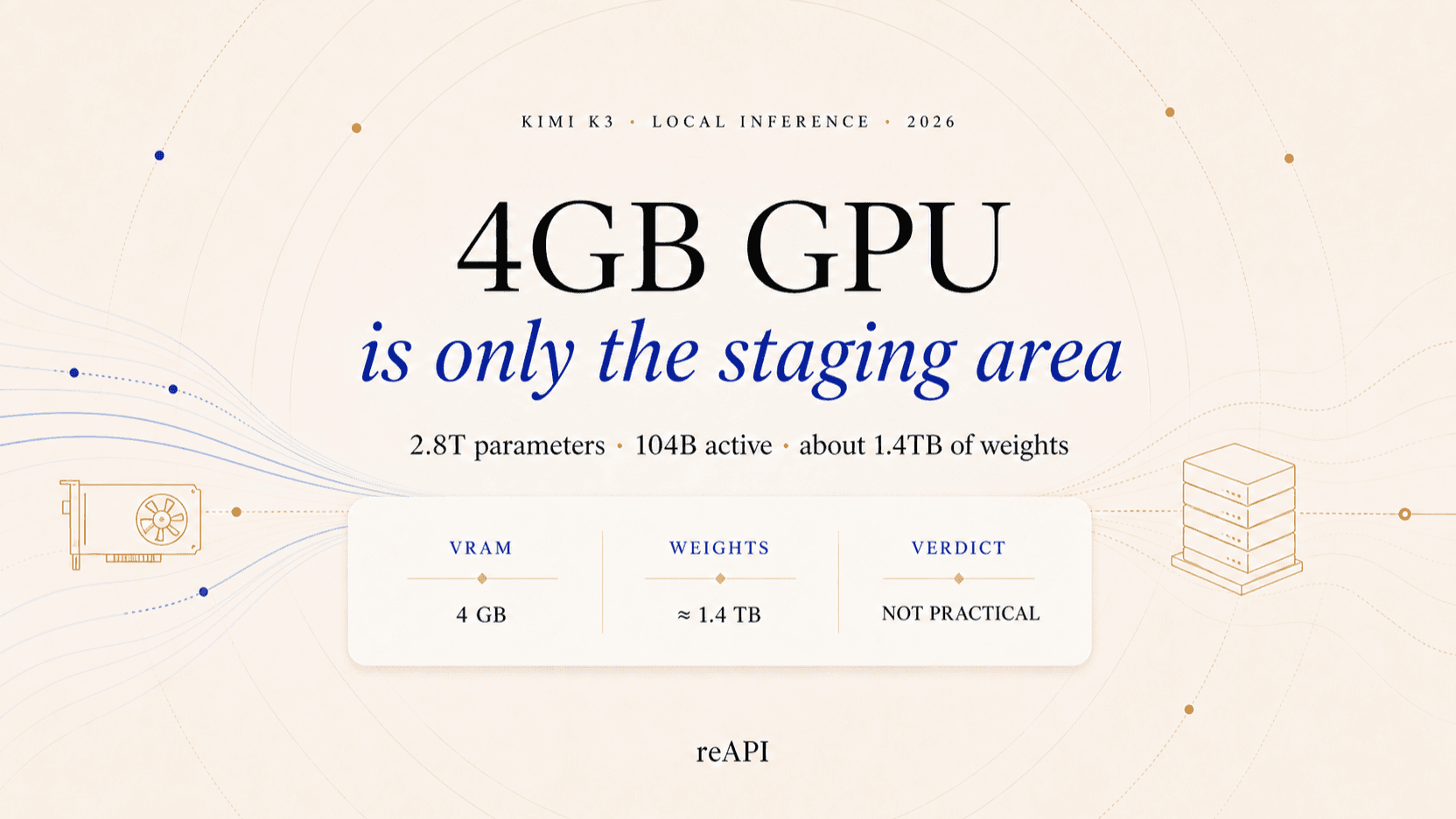
Kimi K3 на 4 ГБ: правда о 2.8 триллионах параметров
Может ли Kimi K3 работать на GPU с 4 ГБ? Разбираемся в математике 1.4 ТБ, как работает layer offloading, поддержке и практическом маршруте через API.
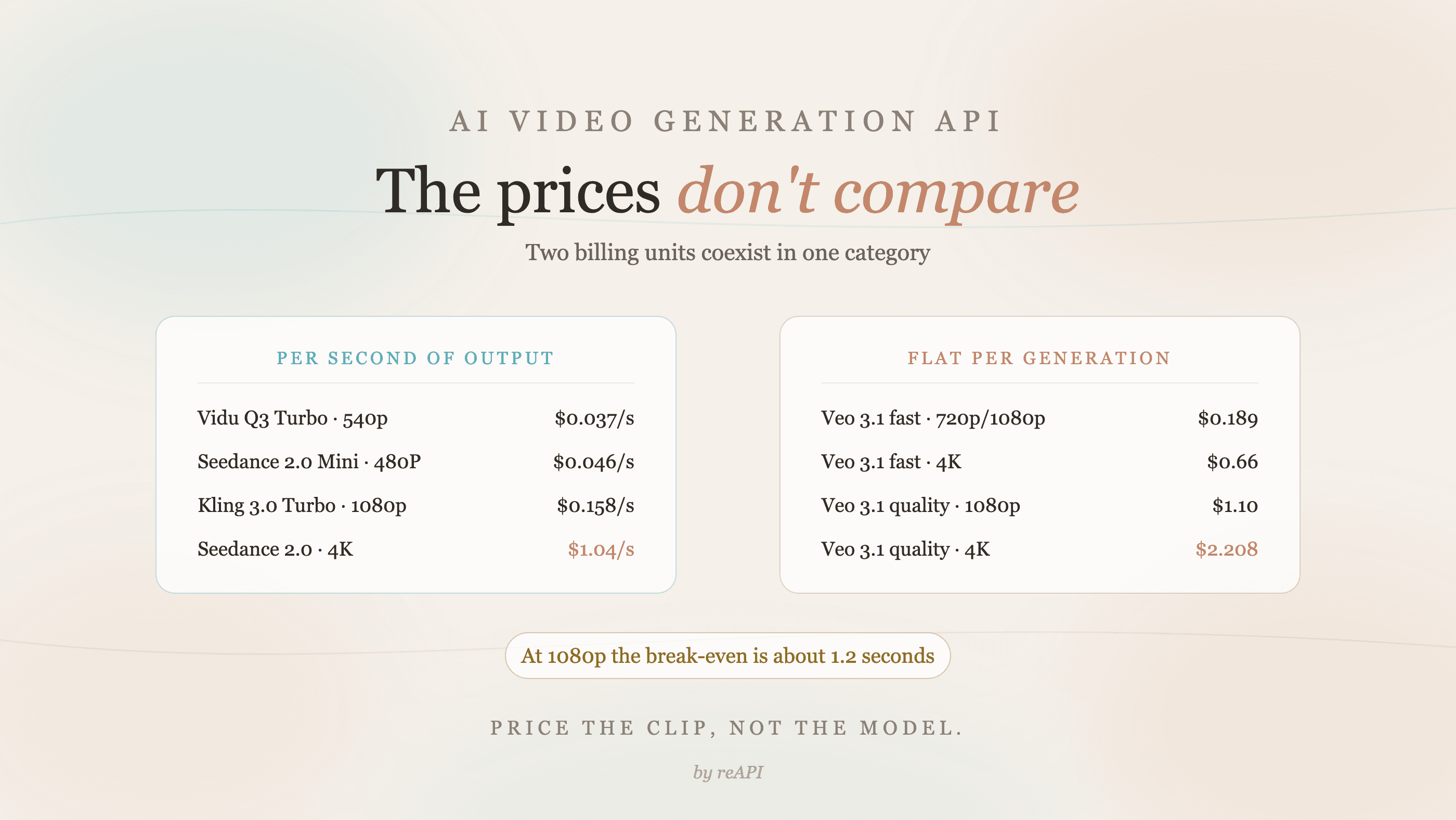
API генерации видео: почему цены несопоставимы
API видеогенерации использует два несовместимых типа расчётов: за секунду выхода или за запрос. Точка безубытка и расчёт стоимости видеоклипа.

Фильтры контента API изображений: как происходят отказы
Фильтрация контента в API изображений многоуровневая. Один запрос может пройти на одном хосте и отклониться на другом, но границы неизменны.